
The rise in eco-conscious consumerism has encouraged brands to explore innovative manufacturing processes for eco-friendly yoga wear. Eco-friendly yoga wear is not only about using organic materials but also ensuring every production step minimizes environmental impact. From choosing ethically sourced fabrics like organic cotton and recycled polyester, to adopting energy-efficient machinery, each stage is meticulously planned. This holistic approach ensures that the final yoga wear is comfortable, durable, and aligned with sustainability goals. The process is intricate but essential for producing activewear that meets the expectations of environmentally aware consumers.
1. Choosing Eco-Friendly Materials
Selecting the right materials is foundational in producing truly eco-friendly yoga wear. Choosing organic and recycled materials not only highlights a brand’s commitment to sustainability but also significantly reduces its environmental footprint. Organic cotton and recycled polyester are prominent choices, each offering distinct advantages that align with eco-conscious manufacturing.
Organic cotton, grown without harmful pesticides or synthetic fertilizers, limits soil pollution and preserves biodiversity. It also supports farmers, reducing their exposure to toxic chemicals. On the other hand, recycled polyester, typically derived from used plastic bottles, markedly cuts down on landfill waste and lowers greenhouse gas emissions compared to virgin polyester production. Both materials contribute to sustainability by reducing energy usage, water consumption, and pollution during production.
Complying with recognized certification standards like GOTS (Global Organic Textile Standard) ensures the material’s authenticity and traces environmentally and socially responsible manufacturing. Such certifications guarantee that the entire textile supply chain – from fabric to finished garment – adheres to standards that promote ecological and social responsibility.
The selection of eco-friendly materials has a direct impact on the garment’s lifecycle. Brands that prioritize sustainable materials not only produce clothing that is kinder to the planet but also appeal to increasingly eco-conscious consumers. For yoga wear, the use of such materials supports a more sustainable product cycle, as highlighted in the production of Eco-Friendly Yoga Pants.
Material Properties for Eco-Friendly Yoga Wear
| Material Type | Sustainability Feature | Typical Applications | Certification |
|---|---|---|---|
| Organic Cotton | Pesticide-free, biodegradable | Yoga tops, pants | GOTS |
| Recycled Polyester | Reduces landfill waste, lower emissions | Stretch yoga pants | Global Recycle Standard (GRS) |
| Bamboo Viscose | Fast growing, renewable resource | Lightweight tops | OEKO-TEX Standard 100 |
| Hemp | Low water usage, grows quickly without sprays | Durable pants | Soil Association Organic Standards |
| Lyocell (Tencel) | Closed-loop processing, biodegradable | Comfy yoga shorts | Forest Stewardship Council (FSC) |
Choosing the right eco-friendly materials balances performance and sustainability, ensuring that each piece of yoga wear is both functional and kind to the environment.
2. Cutting and Preparing Fabrics
In the effort to produce eco-friendly yoga wear, precision in cutting fabrics is paramount. Automated cutting equipment plays a vital role in this phase, enabling efficient and accurate sectioning with minimal material waste. This equipment, typically laser or CNC-based machines, ensures cuts follow intricate patterns without deviation, maximizing yield from each fabric roll. Advanced cutting systems have also integrated nesting software that arranges patterns tessellatedly to further limit the excess.
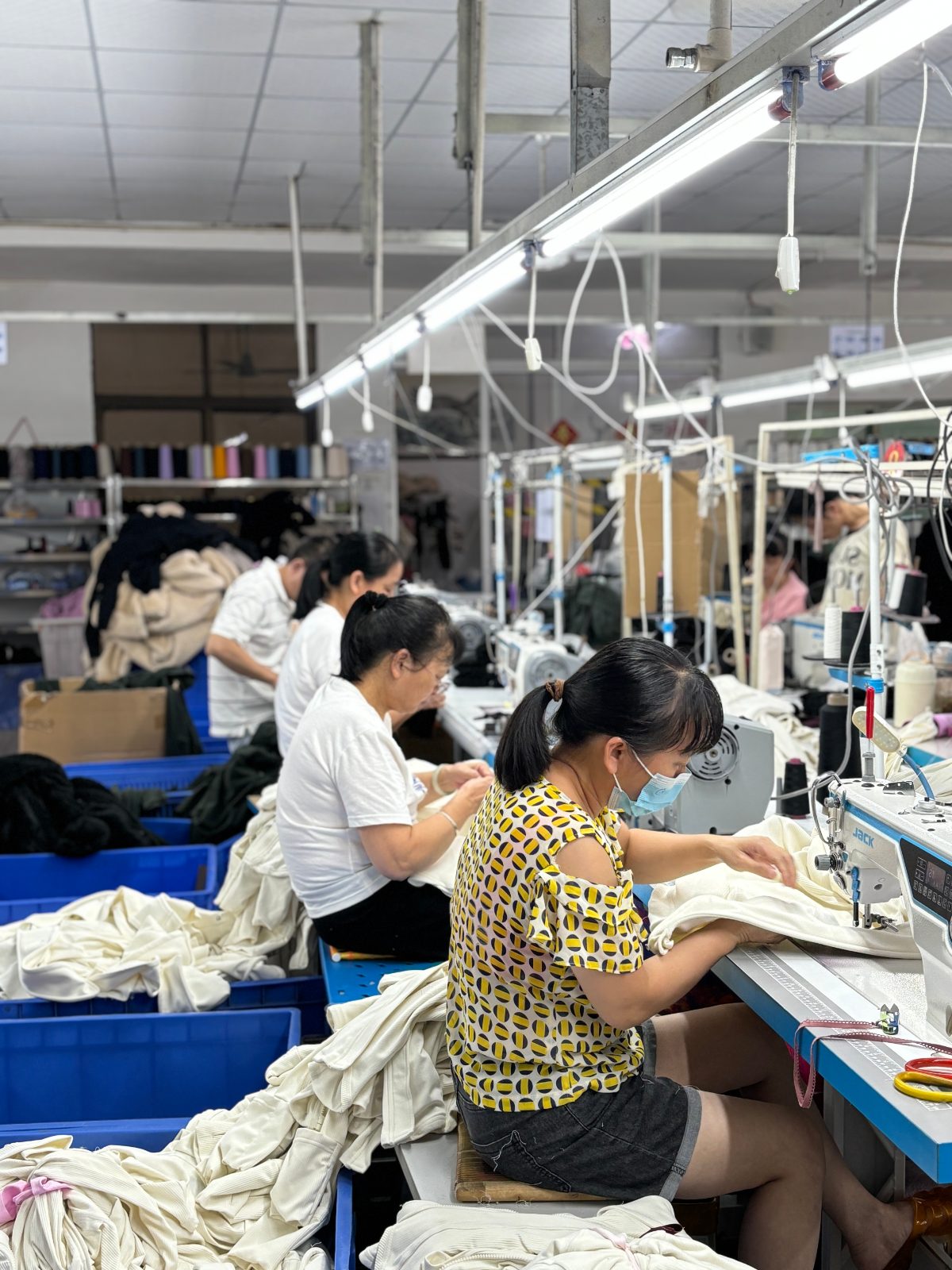
The accuracy of cutting directly impacts the quality of the final product. Precision cutting ensures that each fabric piece aligns perfectly during the sewing stage, reducing assembly errors and enhancing the overall fit and feel of finished garments. A misalignment by even a few millimeters can lead to pulling or puckering, which compromises both the garment's aesthetics and its longevity. Thus, achieving consistent accuracy is not just about efficiency; it directly influences the end-user experience and brand reputation.
For eco-friendly fabric cutting, tools and equipment that minimize energy consumption while achieving precise results are preferred. Some common instruments include electric rotary cutters and ultrasonic knives, both of which provide clean cuts suitable for delicate, organic fabrics. These tools are often favored over traditional blade systems for their precision and lower environmental footprint. Maintaining precision in cutting not only contributes to reducing waste but also to the sustainability of the entire production process.
A precise cutting process ensures that subsequent operations, such as sewing, encounter fewer challenges, as discussed in our insights on Field Notes: The Stitching Precision Behind Our Yoga Shorts. It highlights the interconnectedness of each production stage in delivering a high-quality, eco-friendly product. By integrating proper cutting tools and techniques, manufacturers like UGA FASHION enhance both efficiency and sustainability.
3. Sewing and Assembly
In the sewing and assembly stage of eco-friendly yoga wear production, maintaining high sustainability standards is a key focus. Energy-efficient sewing machines are integral to this process, significantly reducing the carbon footprint. Unlike traditional models, these machines consume less electricity, aligning with eco-friendly goals of minimized energy use across the production line.
Traditional sewing techniques have evolved to include methods that minimize waste. Techniques like chain stitching, where seams are sewn in a continuous line, reduce the need for multiple thread cuts and leftover pieces. This approach not only conserves materials but also shortens production time, allowing for more garments to be produced with fewer resources. Additionally, avoiding over-sewing by securing seams with precise stitch lengths adds to both material savings and garment durability.
The durability of yoga wear is closely tied to quality standards in stitching. Using tensile-tested threads and stitching methods that withstand repetitive motion ensures long-lasting products. Improved durability reduces environmental impact by lowering the frequency of replacement, aligning with ecological and social criteria per the Global Organic Textile Standard (GOTS). To ensure quality, it is advisable for buyers to inquire about a supplier's quality check processes and durability benchmarks.
Finally, the assembly process incorporates methods that impact overall product sustainability. By prioritizing efficient sewing methods and robust stitching practices, the lifespan of eco-friendly yoga wear is extended. By increasing the life cycle of these garments, producers effectively reduce the demand for new materials, which is vital in managing resource sustainability.
By adhering to these meticulous sewing and assembly practices, eco-friendly yoga wear manufacturers like Dongguan Uga Fashion Co., Ltd. are contributing to a more sustainable apparel industry.
4. Finishing Processes
In the production of eco-friendly yoga wear, finishing processes play a pivotal role in both the environmental impact and the wearer's experience. One essential step is eco-friendly dyeing, which prioritizes minimizing water usage and removing toxic chemicals from the process. Conventional dye baths can consume up to 200 liters of water per kilogram of fabric, while modern eco-friendly techniques, such as digital textile printing and cold pad batch dyeing, drastically reduce this to just a fraction. These methods not only conserve water but also limit the discharge of harmful effluents, demonstrating the potential benefits of sustainable practices.
Eco-friendly finishing techniques extend beyond simply coloring the fabric. The application of non-toxic finishes enhances each garment's longevity and comfort. Many finishing agents, such as softeners and anti-static treatments, traditionally contain Volatile Organic Compounds (VOCs). However, eco-alternatives now utilize plant-based or biodegradable compounds, ensuring that the final product remains safe for both consumers and the environment. By focusing on these non-toxic finishes, manufacturers help maintain the fabric’s natural properties while providing additional benefits like improved fabric drape and enhanced moisture-wicking capabilities.
Certification plays a crucial role in verifying the eco-credentials of these finishing processes. The Global Organic Textile Standard (GOTS), a certification that Dongguan Uga Fashion Co., Ltd. adheres to, confirms that fabrics are processed using organic methods with restricted chemical use. Another key certification, the OEKO-TEX® Standard 100, ensures that textiles meet high safety and environmental standards, verifying that no harmful substances are present in the fabric.
Finally, the importance of balancing eco-friendly processes with garment durability cannot be overstated. Ensuring that finishes not only meet environmental standards but also enhance the fabric's longevity and comfort is a practice that manufacturers can adopt to align with the values of eco-conscious consumers. By integrating these thoughtful finishing processes, manufacturers aim to offer products that perform well and contribute to environmental responsibility.
5. Quality Inspection Before Shipping
In the world of eco-friendly yoga wear, the final step of quality inspection is critical for ensuring that products meet high standards before reaching consumers. The inspection checklist focuses primarily on four areas: seams, fit, fabric integrity, and final packaging.
Inspectors closely examine seams for firmness and consistency. A seam that doesn't meet standards could unravel with use, leading to dissatisfaction and returns. Each seam undergoes manual and visual checks to ensure it withstands the desired stretch and tension, imperative for activewear. Moreover, inspectors verify the overall fit to match size specifications, as consistent sizing is crucial for consumer trust and brand reliability.
Fabric integrity is another focal point during inspection. Eco-friendly materials like organic cotton and recycled polyester must maintain their structural strength and comfort. Inspectors look for issues such as loose threads, holes, or any sign of wear that would compromise the garment's durability. These checks are done using standard industry tests to measure tensile strength and elasticity, ensuring each item meets rigorous performance standards.
The role of inspectors extends beyond detecting defects. They are crucial in maintaining and enforcing quality protocols throughout production. Any defects or variants from standards trigger a review and correction process, involving reworking or in some cases, rejecting the item for recycling, furthering sustainability goals.
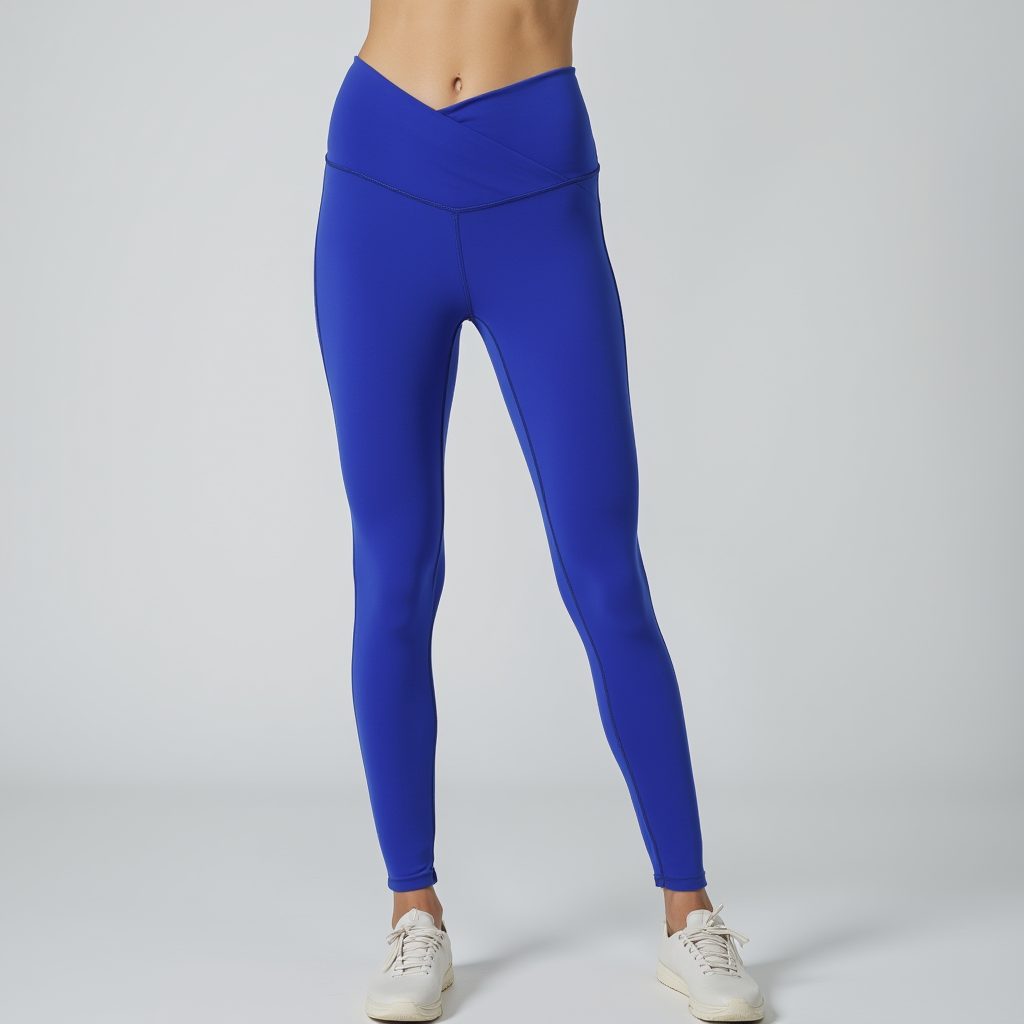
Final packaging is another opportunity for emphasizing sustainability. Packaging designs often incorporate recycled materials and minimalist approaches to reduce waste. Inspectors verify that packaging aligns with eco-friendly practices, ensuring a cohesive product presentation.
For buyers interested in sustainable packaging, it's advised to discuss specific packaging practices with suppliers to meet eco-conscious standards. This proactive approach assists in delivering high-quality, eco-conscious activewear that aligns with consumer expectations for sustainable fashion.
6. Potential Risks and Common Pitfalls
Navigating the production process of eco-friendly yoga wear involves several risks and pitfalls, many of which stem from inadequate oversight and lack of technological support. A primary concern is fabric waste, which arises from imprecise cutting and poor planning. Even with precision cutting tools, failure to optimize pattern layouts can result in significant material waste. Integrating computerized pattern designing and automated cutting techniques can substantially reduce this waste, maximizing the use of expensive eco-friendly fabrics and ensuring designs meet the exact specifications.
Fabric defects represent another common issue, often resulting from incorrect machine settings or material flaws. Regular equipment maintenance and calibration, coupled with rigorous incoming quality checks, can drastically minimize these defects. Establishing a robust quality control system is not only crucial for defect minimization but also ensures that each production batch aligns with sustainability and performance standards, as outlined in The Process Behind Our Yoga Shorts Manufacturing: Stitching to Finishing.
Ignoring eco-compliance standards poses significant risks beyond just legal ramifications. Failing to adhere to certifications such as GOTS can damage a brand's reputation and marketability. To mitigate this risk, manufacturers should implement comprehensive compliance checks at every stage of production, ensuring all materials and processes meet required eco-certifications.
Technology plays a transformative role in reducing errors throughout production. Advanced software for process management and real-time monitoring systems can detect deviations early, preventing costly errors before they spiral out of control. Incorporating these systems enhances overall efficiency and production quality, aligning with environmental and business goals alike.
Addressing these potential risks requires a strategic focus on continuous improvement, leveraging both human expertise and technology to maintain high standards in eco-friendly yoga wear production.
Deciding on Your Eco-Friendly Yoga Wear Choice
Before finalizing a purchase with a supplier, inquire about their sustainability practices – do they maximize the use of certified materials like GOTS or recycle production waste? Assess the quality by inspecting stitching durability and fabric integrity. Balance cost with sustainable benefits; the long-term savings from durability can outweigh initial expenses. Finally, weigh the brand's history and ethics: how does their story resonate with your values for eco-conscious living? These elements will guide your decision while supporting a sustainable future.
FAQ: Eco-Friendly Yoga Wear Production
What materials are commonly used in eco-friendly yoga wear?
Common materials include organic cotton, recycled polyester, and bamboo. These materials are chosen for their lower environmental impact compared to conventional textiles, offering the same performance benefits. Many are certified by standards like GOTS to ensure eco-friendliness.
How does eco-friendly production affect costs?
Eco-friendly production can sometimes increase costs due to the sourcing of sustainable materials and the use of environmentally friendly processes. However, these costs can be offset by long-term savings through efficient resource use and by meeting consumer demand for sustainable products.
