
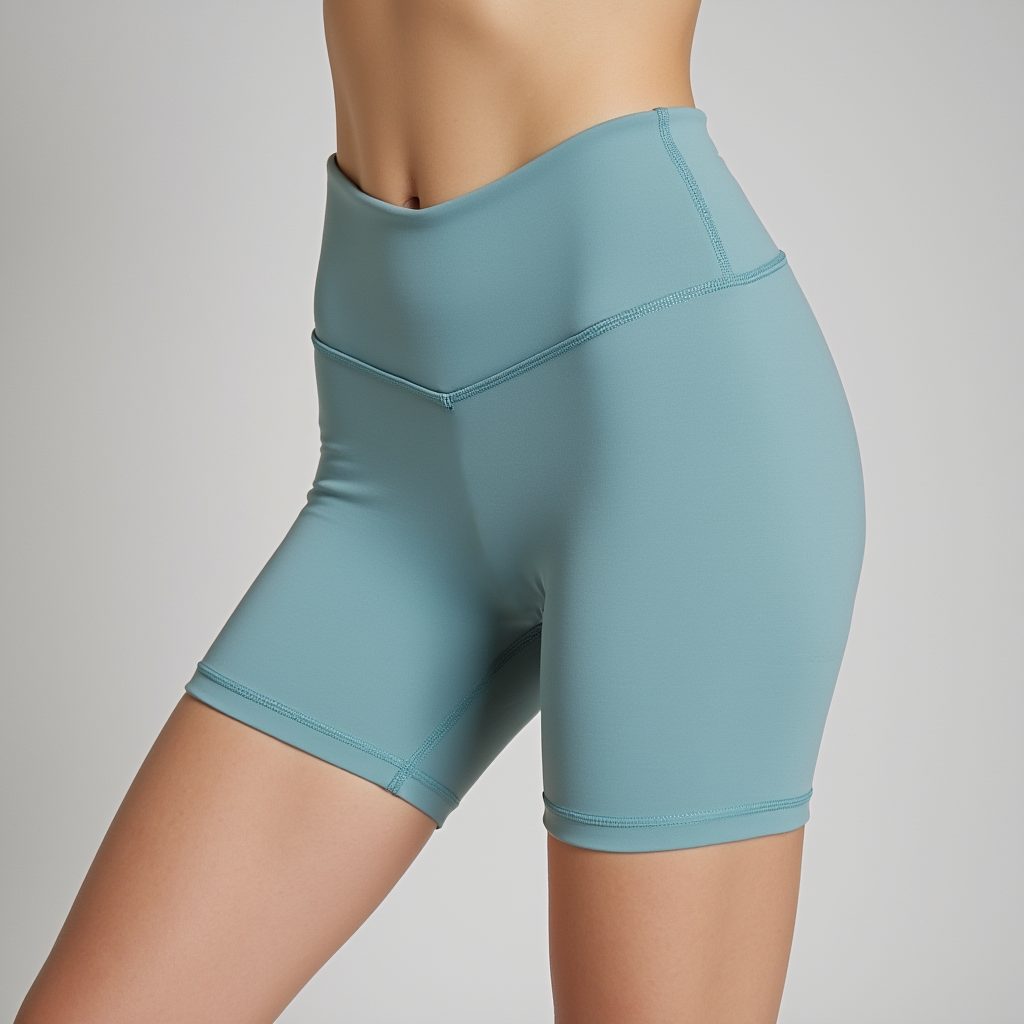
That day we had yoga shorts on the line that required an impeccable touch with stitch types according to ISO 4915 standards. Ensuring those invisible details means selecting appropriate stitching methods, such as optimal SPI or flatlock stitching for high-stretch zones, depending on industry practice needs. The choice of flatlock or overlock stitching significantly impacts comfort and durability. When we reviewed the seam tensile strength, even the ISO 13935-2 grab method was part of our inspection pallet – not a requirement but a routine best practice. Buyers should ask the right questions about stitching choices and how this affects their product performance.
On the Production Line: Observing Our Yoga Shorts
Production setup. The line begins with a cutting station where fabric pieces are precisely cut to size. The core of the line includes stations for lockstitch, overlock, and flatlock – each chosen for their distinct benefits in structural integrity and stretchability of activewear garments.
At the lockstitch station, machines configured to run ISO 301 lockstitch tackle non-stretch areas, ensuring seams that are both resilient and neat. Overlock stations, using ISO 514, blend functionality with finesse, creating durable seams along edges where flexibility is needed. A critical point for this week's setup was configuring the overlock machines to a bite of around 6–7 mm, crucial for maintaining seam integrity on structural assembly. For high-stretch areas, advice for buyers might include specifying desired stitch densities to ensure durability.
Materials and colors. This week's production focused on a blend of nylon and spandex, known for its balance between elasticity and firmness. The color palette was vibrant, featuring jewel tones alongside classic neutrals – indicative of seasonal trends favoring both practicality and bold aesthetics. These materials demand specific stitch adjustments to prevent seam puckering and ensure consistent stretch across panels.
Quality control. Buyers should consider specifying tolerances for stitch densities to maintain consistent seam allowances. These checks are crucial for identifying issues such as misalignment or improper tension, which could lead to seam failures. Regular checks prevent these potential flaws from progressing to the latter stages of production.
Typical challenges. This week's batch revealed some fabric tension irregularities at the overlock station, new thread tension mechanisms were installed to minimize the risk of breakage and reduce downtime due to readjustments. Also, the vibrant fabrics showed a slight inconsistency in stretch recovery, prompting a recalibration of our flatlock machines to ensure uniform stress distribution across high-flex zones.
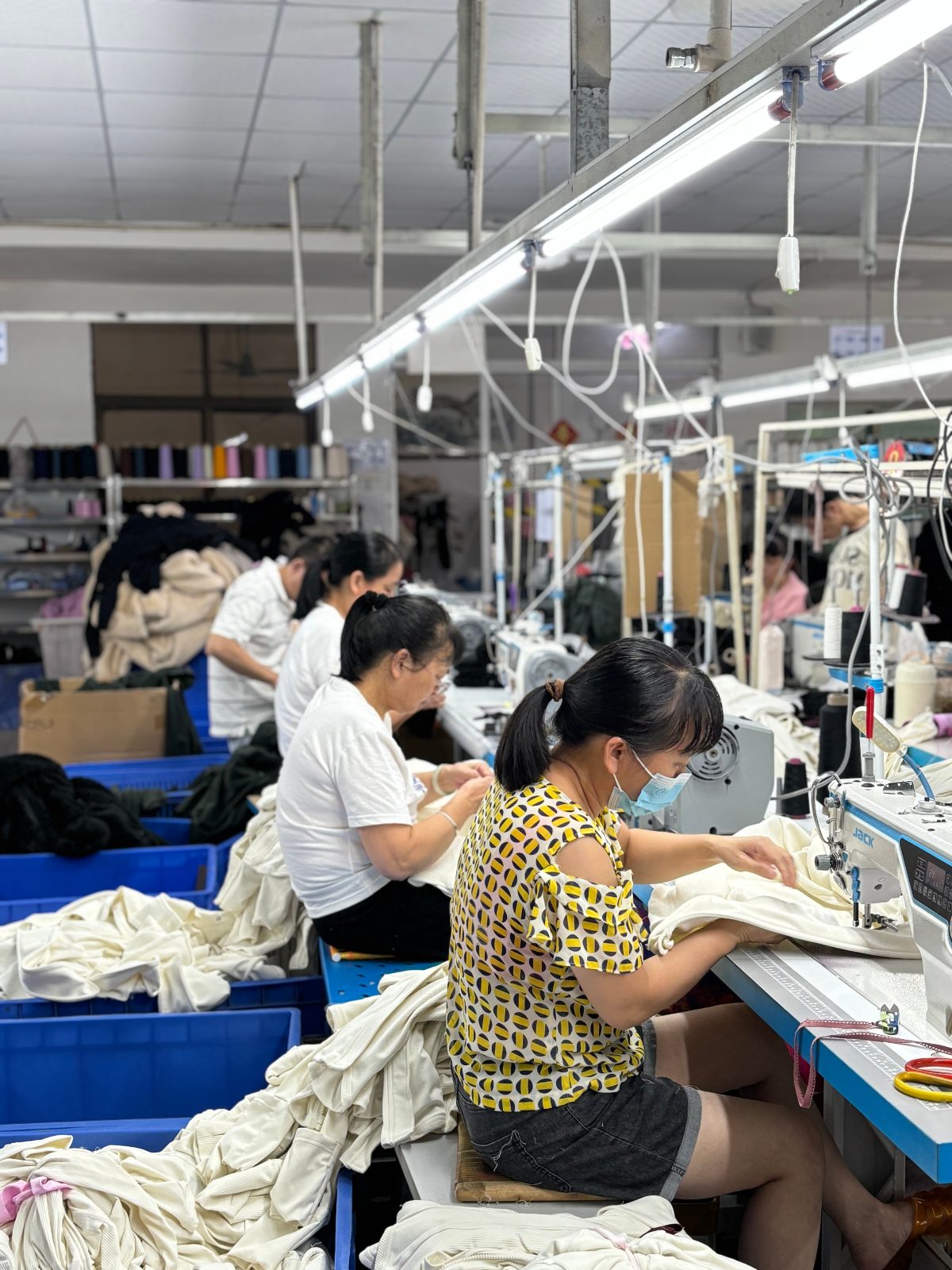
By observing how each material and color influences the stitching process, we fine-tune our production to tackle real-world challenges, maintaining the agility needed to meet market demands without sacrificing the quality and performance our buyers expect.
Key Stitching Details That Make a Difference
In the nuanced world of yoga shorts production, the role of different stitch types cannot be overstated. Each stitch type – lockstitch, overlock, and flatlock – plays a critical part in both aesthetically and functionally transforming fabric into high-performance activewear. Lockstitches, for instance, are extensively used in non-stretch areas of yoga shorts. Their strength and precision make them ideal for structural seams where durability is paramount.
Moving beyond the lockstitch, the overlock stitch is favored for its ability to encase raw edges and prevent fabric fraying. It typically employs a combination of needles and loopers to secure fabric edges together, with a standard stitch density of about 12-14 SPI. This stitch is particularly beneficial for seam edges where elasticity is required, as it provides a neat finish while allowing some stretch.
The flatlock stitch stands out for its unique application in high-stretch panels, typically along inseams or underarms. It is often selected for its smoother finish, lying flat without overlapping fabric, thus reducing bulk. This design feature enhances both the comfort and aesthetics of a garment, essential for pieces like yoga shorts that demand flexibility and freedom of movement.
Stitch density is another crucial factor, impacting both comfort and garment durability. High stitch density can lead to increased durability but may affect stretchability, while lower density might enhance flexibility but could compromise seam strength. Striking the right balance is key, as is evident from real-world stitching failures we've experienced – such as seams bursting under tension during high-intensity workouts. Opting for an appropriate stitch type with the correct density resolved these issues efficiently.
Selecting the correct stitch type relative to fabric material is pivotal. Heavier fabrics may necessitate a more robust lockstitch to endure stress, while lighter fabrics benefit from the flexibility of an overlock or flatlock stitch. Consequently, the interplay between stitch type and fabric is integral to decision-making in stitching, influencing both product integrity and consumer satisfaction.
Ultimately, understanding these aspects allows for informed decisions in stitch selection, ensuring that each piece not only meets but exceeds functional expectations.
Why SPI Matters in Every Inch
Understanding the Stitch Per Inch (SPI) is essential for any buyer seeking high-quality yoga shorts. The SPI is calculated by counting the number of stitches in an inch of fabric, directly affecting the garment's stretchability and flexibility. A higher SPI increases the structural integrity but can decrease stretchability, which can make yoga shorts less comfortable during movement.
Stitch Density and Application Matrix
| Stitch Type | SPI Range | Application | Pros | Cons |
|---|---|---|---|---|
| Lockstitch | 10–12 | Non-stretch areas | Strong and durable | Limited flexibility |
| Overlock | 12–14 | Structural assembly | Flexible and neat finish | May unravel if incorrectly tensioned |
| Coverstitch | 5.6–6.4 mm | Stretch hems and bindings | Provides elasticity and seam strength | Complexity in tension adjustment |
| Flatlock | 14–16 | High-stretch panels | Lays flat for increased comfort and stretch | Can lead to seam separation if too low |
The relationship between SPI and garment flexibility is a balancing act. If the SPI is too high, the fabric may become too rigid, constraining movement. Conversely, a lower SPI might not provide sufficient support, resulting in sagging or seam failure. This variance in SPI can significantly affect the garment's performance, particularly in sportswear where freedom of movement is critical.
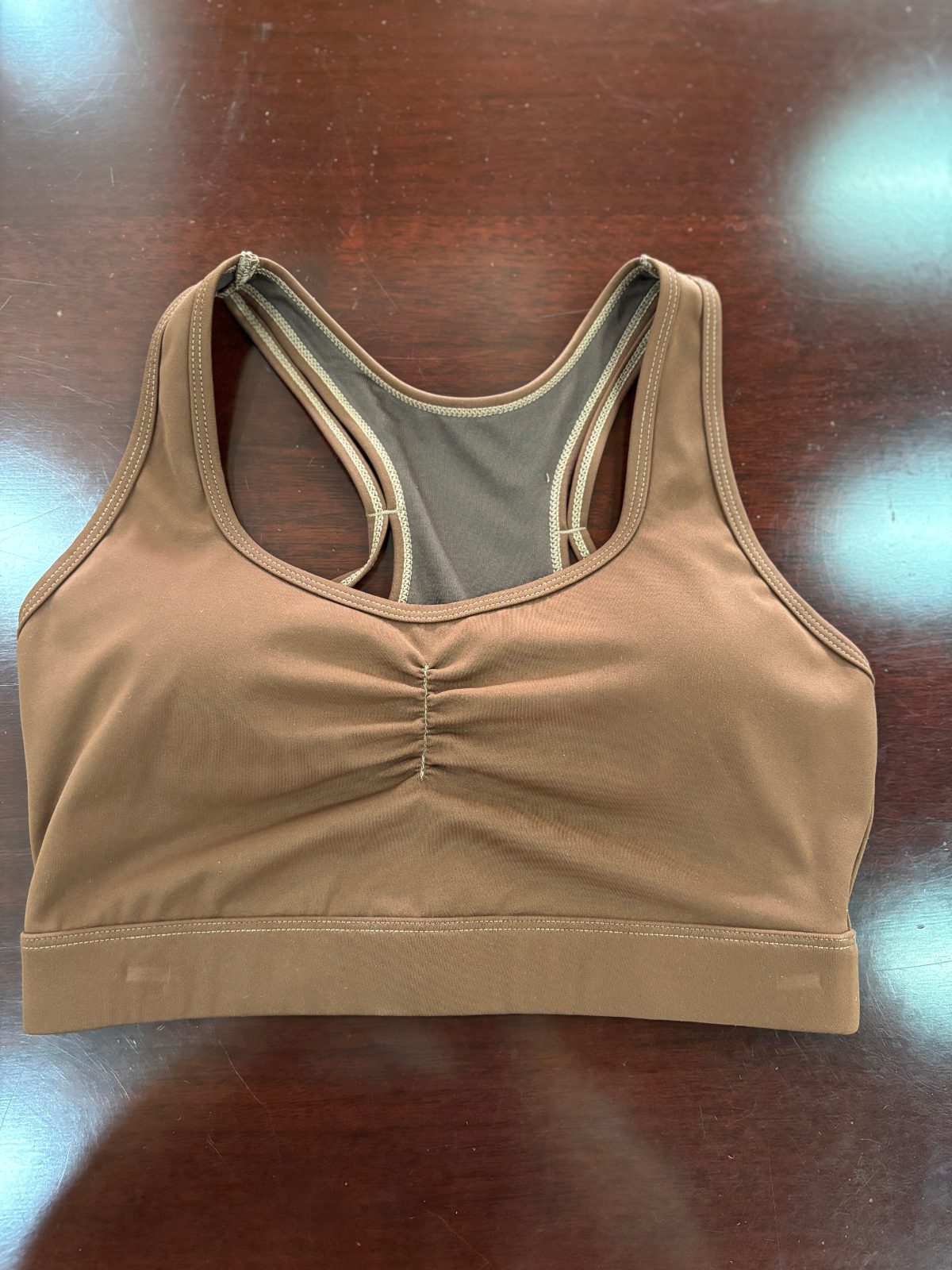
Common discrepancies in SPI settings arise from machine calibration errors or misunderstandings of material properties. It's crucial to maintain the specified SPI for each fabric type and stitch application. Guidance on stitch consistency helps manufacturers maintain stable production across runs.
In conclusion, selecting the right SPI is not just about following a standard practice but ensuring that each garment performs as intended for the user. An incorrectly set SPI can lead to critical failures, affecting both user comfort and product lifespan. Therefore, constant attention to these details is paramount in the production of yoga shorts.
Choosing the Right Seam Type for Yoga Shorts
Choosing the right seam type is crucial for the fit and function of yoga shorts.
Lapped, superimposed, flat. These are the three primary seam types used in yoga shorts. Lapped seams overlay two fabric pieces, ideal for stretch materials needing extra durability in high-tension areas. Superimposed seams, where fabrics are stacked and sewn simultaneously, offer flexibility and are typically used in areas requiring a smoother finish. Flat seams lay the fabric edges side by side, providing minimal bulk and enhancing comfort – a favorite for yoga shorts aiming for a second-skin feel.
Affecting final product's fit. The choice of seam type directly impacts how yoga shorts fit on the body. A well-selected seam type enhances flexibility and reduces chafing, paramount for activities demanding a wide range of motion. Flat seams, for instance, minimize the risk of irritation and provide a sleek profile under tight-fitting clothing.
Seam strength concerns. Seam strength is a common issue if not addressed properly. Stress points, especially around the crotch and inner thighs, are prone to failure if seams are not reinforced adequately. Solutions include using stronger threads and implementing bar tacks – small stitches that reinforce stress points.
Maximizing performance. Successful seam applications often combine stitch and seam types to maximize product performance.
Consumer feedback. Consistent feedback highlights that consumers appreciate yoga shorts that combine flat seams for comfort and lapped seams for durability. This feedback reflects consumer desires for products that feel good to wear while standing the test of time through rigorous use. Incorporating these insights into the design and manufacturing process ensures the produced garments meet customer expectations, leading to high satisfaction and repeat purchases.
Trade-Offs in Material and Stitching Combinations
Material choice can significantly influence the stitching method used in constructing yoga shorts. For example, nylon and spandex blends, known for their stretchability, typically suit flatlock or overlock stitches. These stitching methods ensure elasticity without compromising seam integrity, but they can be costlier due to higher thread and operation requirements. If you prioritize durability, lockstitch techniques combined with less stretchable fabrics might be more economical, though this might reduce flexibility, a key feature for yoga apparel.
Consumer demands frequently push for comfort and durability, but these are often at odds with cost considerations. A consumer might want seamless feels and high-stretch compatibility, which can increase production costs due to the need for specialized sewing machines and skilled operators. Balancing these demands with budget constraints is a nuanced decision-making process manufacturers must navigate.
Impact on Fabric Longevity: Stitching techniques directly affect how long a garment will last. A poorly executed stitch might not only reduce the lifespan of the clothing but also lead to consumer dissatisfaction. Choosing appropriate material and stitching combinations helps maintain both fabric integrity and consumer trust. For instance, excessive stitch tension on a delicate polyester-cotton blend can lead to premature wear, whereas a carefully calibrated flatlock stitch might extend fabric longevity.
Material and Stitching Compatibility
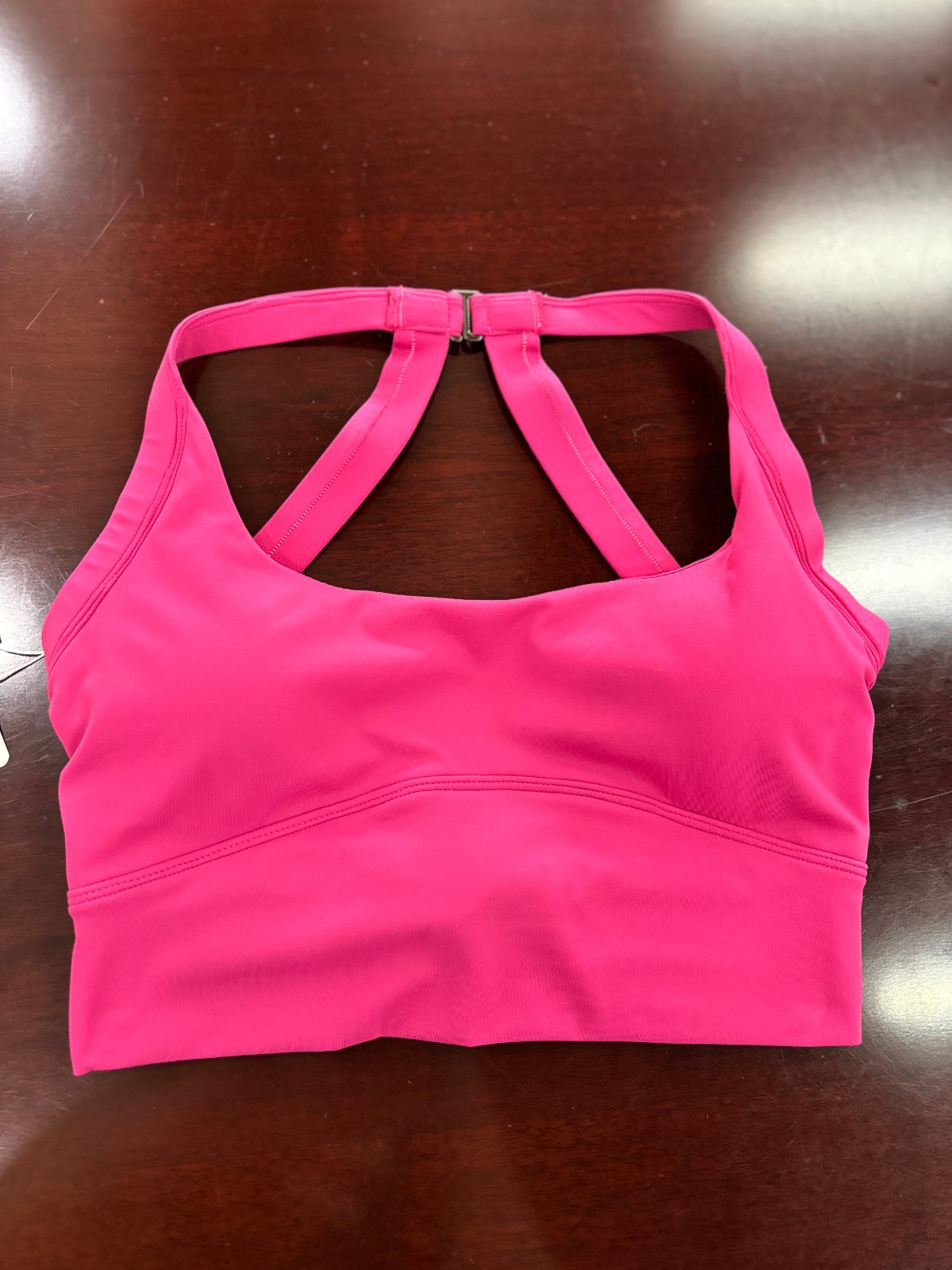
| Material | Preferred Stitch | Trade-offs | Performance Metrics |
|---|---|---|---|
| Nylon/Spandex | Flatlock, Overlock | High cost, skilled labor | Enhanced stretchability |
| Polyester/Cotton | Overlock, Lockstitch | Reduced elasticity | Good durability |
| Bamboo/Lycra | Flatlock | Expensive material cost | Superior moisture-wicking |
| Supplex | Overlock | Moderate flexibility | Good abrasion resistance |
| Recycled polyester | Lockstitch | Environmental benefits | Decent stretch, cost-effective |
When evaluating these combinations in activewear, consider case studies such as the integration of dynamic designs in yoga shorts that use overlock stitching for visual aesthetics and functional seam performance. By understanding these dynamics, buyers and designers can make informed decisions that align with their brand's goals and customer expectations. For further insights, see our Dynamic Designs in Yoga Shorts. Balancing technical feasibility with consumer demands remains crucial in delivering both performance and style.
Quality Checks: Ensuring Each Stitch Holds
Precision in stitching is vital for ensuring that each yoga short can endure the strains of active wear. A systematic inspection is required at various stages to verify fidelity and durability.
Inspection Steps. Each batch of yoga shorts goes through a multi-step inspection routine. This starts with visual checks where inspectors examine seams for straightness and uniformity. The tactile inspection follows, checking seam robustness. If inconsistencies are noted, such as uneven tension or misaligned stitches, corrections are promptly applied.
Quality Control Checklist for Yoga Shorts
| Check Point | Method | Frequency | What to Look For |
|---|---|---|---|
| Seam Integrity | Visual and Tactile Examination | Every Lot | Consistent tension, aligned stitches |
| Stitch Density | Actual Measurement (SPI) | Random Sample Check | Uniform spacing, correct number per inch |
| Strength Test | ISO 13935-2 Grab Method | Weekly | No seam splitting under tension |
| Bursting Test | ISO 13938-2 Air Pressure | Random Batch | Fabric retention under pressure |
| Wear Simulation | Dynamic Wear Testing | Every Month | No deterioration over simulated use |
| Final QC Report | Comprehensive Inspection Review | End of Shift | Summary of checks, any non-conformances |
Role of ISO Standards. ISO 13935-1 and ISO 13935-2 are pivotal in our quality checks. These standards dictate seam strength testing methods, specifically focusing on how seams react to tensile forces. For example, using the grab method from ISO 13935-2, we assess seam durability under direct stress. The findings from these tests guide necessary adjustments before the product reaches the market.
Defect Identification and Resolution. During inspections, defects such as missed stitches or incorrect tension are promptly identified. Using calibrated tools, inspectors ensure that each garment meets the specified standards. This reduces rejection rates and enhances batch quality.
Regular Checks. Consistently scheduled quality checks help maintain production integrity. By conducting verification tests regularly, any deviations from specification are addressed promptly. This continuous scrutiny is essential for ensuring that all units meet the rigorous demands of activewear while safeguarding brand reputation.
By adhering to methodical inspection protocols and internationally-recognized standards, Dongguan Uga Fashion Co., Ltd. ensures that every stitch in their yoga shorts is capable of withstanding the rigors of physical activity.
Buyer Considerations: Getting to the Right Questions
When sourcing yoga shorts, buyers should prioritize knowing the questions that guide the right stitching decision. A fundamental inquiry is about the type of stitch classes used, in line with ISO 4915 standards. Understanding stitches such as the ISO 301 lockstitch or ISO 605 coverstitch can reveal much about the wear and stretch potential of the shorts. While suppliers usually follow these standards, it’s crucial to ask how they customize their processes to fit the specific garment needs – a small deviation might drastically affect performance.
Lead Times for Adjustments. Timeliness needs addressing early in discussions, as lead times for stitching adjustments can vary based on the complexity of design and production flow. Adjustments often depend on the availability of thread types and any last-minute changes in design specs. Typically, the precise timeline gets settled in the quoting stage – and it's essential to confirm this with your supplier to avoid disruptions.
Common Service Requests. Many buyers seek stitching services that go beyond standard offerings. Common requests include special seam reinforcements or unique embellishment sewings that require particular skill and machinery alignment. Buyers should assess a supplier's capability to handle such enhancements without compromising on the structural integrity of the stitch – whether it's about adapting existing setup or experimenting with new technology.
Balancing Customization and Production. Desired customization levels often clash with practical production capabilities. There is always a line between what is innovatively desirable and what is feasibly producible without triggering excessive cost or time overruns. For example, adding a double-overlock seam may necessitate additional steps and machinery configuration changes, impacting production schedules.
Adapting to Trends without Compromise. In today's dynamic market, adapting to trends like seamless technology influences decisions in stitching processes. It's a careful balance of embracing innovation and retaining functional integrity. Buyers should push for transparency from their suppliers on how they maintain quality while integrating new techniques into their production workflow.
Through guided questions and thorough scrutiny, buyers can ensure their yoga shorts meet both design aspirations and performance expectations.
Deciding on Stitching Precision for Your Brand
To align your brand promises with actual product performance, start by assessing stitching specifications as a reflection of manufacturing capabilities in the industry. Scenario planning becomes crucial in high-demand periods – ensure your supplier can maintain quality under pressure. Evaluate potential risks if considering a switch in suppliers or methods. A checklist for evaluating stitching precision should include: verifying stitch density, confirming seam strength adherence, and ensuring consistency in SPI across all units. Consider these factors to ensure your yoga shorts meet your brand's standards and customer expectations consistently.
FAQ: Stitching Precision in Yoga Shorts
What is the best stitch type for yoga shorts?
The best stitch type often depends on the area of application. For example, ISO 4915:607 flatlock stitches are ideal for high-stretch panels, providing flexibility and comfort. Overlock stitches may be used in non-stretch areas for durability.
How does stitch density affect the comfort of yoga shorts?
Stitch density, often measured as stitches per inch (SPI), greatly affects comfort. High density, such as 12-14 SPI, ensures durability and stretch in activewear, whereas lower SPI might be more suitable for non-activewear garments.
What quality controls are in place for stitch precision?
Key quality controls include SPI checks and seam strength testing per ISO 13935 standards. Bursting strength assessments are also conducted. Frequent inspections help catch defects early, ensuring the final product meets expected performance metrics.
