
Choosing between imported and domestic yoga activewear manufacturers boils down to a few key differences worth considering. Timing plays a crucial role: lead times for imported goods can be longer due to shipping distances, while domestic manufacturers typically offer shorter timelines. Cost structures also differ, with domestic firms often priced higher but potentially saving on import duties and shipping costs. Lastly, quality assurance can vary; domestic manufacturers often provide easier access for quality inspections, whereas importing may require additional resources to ensure compliance. The decision should align with your brand's priorities and logistical capabilities.
The Numbers That Matter in the Decision
When choosing between imported and domestic yoga activewear manufacturers, key numerical factors can determine the best fit for your needs. Lead time, cost implications of shipping and duties, quality assurance access, production volume, and regulatory compliance each play a crucial role. Typically, domestic manufacturers offer shorter lead times due to proximity and fewer logistical hurdles. Conversely, imported goods often involve extended timelines, influenced by international shipping and customs procedures.
Shipping and duties significantly impact the overall cost. Importing increases expenses not just for transportation but also for customs duties and fees, which can be unpredictable, further complicating budget forecasts. Domestic manufacturers, however, eliminate these costs, making financial planning more straightforward, although labor and material expenses might be higher.
Quality assurance and inspection access are also pivotal. Overseas production poses challenges in conducting on-site inspections frequently, whereas domestic locations allow easier access for monitoring production quality in real-time. Additionally, domestic suppliers can provide faster feedback and iterations on design changes, offering greater flexibility and control over the final product.
Production volume capabilities differ significantly. Many large overseas manufacturers can accommodate high-volume orders efficiently, which is beneficial for larger brands or those requiring mass production. In contrast, domestic manufacturers might be more suited to small to medium-scale operations due to limitations in capacity or higher cost structures, making them ideal for brands focusing on custom or niche markets.
Regulatory compliance is a non-negotiable area. Domestic production ensures adherence to local standards, which might align more closely with your brand's values and market expectations. Imported goods require stringent verification of compliance with local and international standards, increasing the resources needed for regulatory checks and balances.
Key Decision Factors for Yoga Activewear Manufacturing
| Factor | Imported | Domestic | What to Consider |
|---|---|---|---|
| Lead Time | Longer due to shipping | Shorter due to proximity | Balance urgency with cost considerations |
| Shipping & Duties | High and fluctuating | Minimal | Plan for potential tariff changes |
| Quality Assurance | Difficult to monitor | Easier access, more control | Consider real-time feedback impact on quality |
| Production Volume | Suitable for high volumes | Typically limited to small-medium volumes | Match production scale with brand size and focus |
| Regulatory Compliance | Need verification for multiple standards | Easier compliance with local standards | Weigh resource investment for compliance checks |
Each factor should be weighed based on your brand's priorities, budget, and market positioning. Balance these elements to make an informed decision that aligns with your operational and strategic goals.
Breaking Down Lead Times and Costs
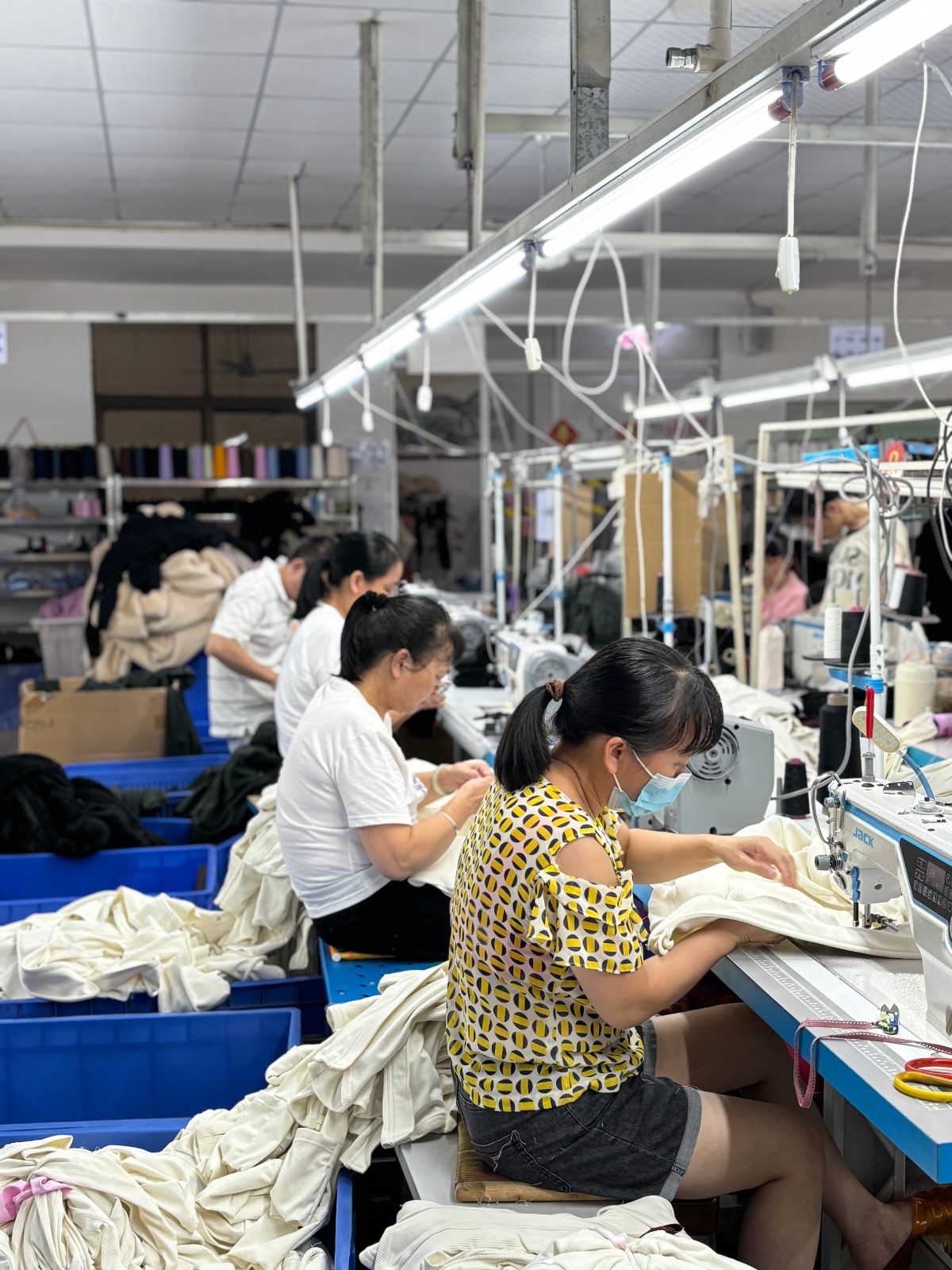
When considering yoga activewear suppliers, lead times and costs comprise critical factors that can tip the scales in favor of either domestic or imported manufacturing. Typically, imported manufacturing witnesses longer lead times due to the complexities involved in international shipping and customs clearance processes. For instance, importing yoga activewear from overseas may take anywhere from several weeks to over two months, depending mainly on the origin country's location, factory schedules, and shipping conditions.
In contrast, domestic manufacturers commonly offer shorter lead times, primarily because there is no need for overseas transport and the associated customs delays. Therefore, faster turnaround times can often be achieved, which is particularly advantageous if your business requires rapid replenishment or operates on a just-in-time inventory system. However, while shorter lead times provide logistical benefits, domestic production might come with fewer options in terms of specialized fabrics and technologies compared to some international manufacturers.
Shipping and import duties significantly impact the overall cost when sourcing from overseas. It's essential to account for logistics, which includes container shipping fees, customs duties, insurance, and potential port handling charges. Import tariffs can further inflate costs, particularly if the importing country has specific trade barriers against exporting nations.
On the other hand, domestic sourcing can offer cost benefits by eliminating these international logistics expenses. Local manufacturing can reduce or eliminate international shipping costs, expedite supply chains, and allow for easier scaling within the local market. However, it's crucial to consider potential hidden costs such as higher production expenses, potential labor costs, and taxes, which must be factored into the decision-making process.
Choosing between domestic and imported options involves weighing the speed of delivery against overall cost implications. Each choice carries its own set of benefits and challenges, from logistical hurdles and tariffs involved with imported goods to potentially higher overheads and limited selections with domestic manufacturers.
To summarize, the key is to measure how each factor aligns with your brand’s capabilities and market goals, ensuring that the choice complements your operational strategies and economic conditions.
The Often Overlooked Factor: Quality Assurance
When deciding between imported and domestic yoga activewear manufacturers, quality assurance is a crucial factor that's often misunderstood. Inspecting overseas manufacturers presents unique challenges, starting with the sheer distance that separates buyers from suppliers. This gap can make it difficult for buyers to physically assess product quality at various production stages. Shipping delays, time-zone differences, and language barriers compound these difficulties, often resulting in miscommunication about quality expectations.
Quality control benefits offered by domestic manufacturers stem primarily from ease of access. The ability to visit factories without facing significant time and resource constraints allows for more frequent and thorough inspections. This proximity enables buyers to enforce better quality control standards through direct oversight, thereby reducing the risk of receiving substandard products.
Quality certifications play a pivotal role in bridging the gap when choosing overseas manufacturers. Standards like BSCI (Business Social Compliance Initiative) and GOTS (Global Organic Textile Standard) provide social compliance and organic textile standards assurance. These certifications can be a critical reference for maintaining quality assurance, especially in international transactions where direct oversight is limited.
However, communication barriers have a significant impact on quality oversight. Misunderstandings can arise if manufacturers and buyers speak different languages or hold different cultural assumptions about what constitutes quality. Such barriers can lead to discrepancies in product specifications, often only discovered once the product has been shipped and received.
To manage these risks, strategies for effective quality assurance in imported goods include employing third-party inspection services specializing in the specific type of apparel. These inspectors can conduct checks at multiple stages of production, ensuring products meet specified standards before shipping. Incorporating detailed product specifications and quality benchmarks in the purchase agreements can also mitigate potential quality risks.
While selecting an overseas manufacturer often seems like a cost-effective choice, it's essential to balance potential savings against the challenges of maintaining consistent quality assurance. Effective communication, clear quality criteria, and reliance on verifiable certifications like BSCI and GOTS are necessary tools for ensuring that imported yoga activewear meets your quality standards.
Understanding Regulatory Compliance and Certifications
When considering yoga activewear manufacturers, regulatory compliance is pivotal in steering your decision. Domestic and imported manufacturers often operate under distinct regulatory environments, which can influence everything from product quality to your brand's reputation. In markets like the United States, yoga wear is subject to stringent safety and quality standards. An imported manufacturer from a region with less rigorous regulations might not automatically meet these standards, which can impact product safety, marketability, and consumer trust.
Certifications such as the Global Organic Textile Standard (GOTS) play a critical role in ensuring that yoga apparel meets environmental and social criteria. GOTS certification ensures that the textiles are processed with organic fibers and adhere to stringent environmental and social conditions from harvesting to labeling. Brands recognized for their commitment to sustainability tend to align with manufacturers certified under standards like GOTS.
The brand reputation hinges significantly on compliance. Non-compliance or failure to meet certifications can lead to recalls, legal liability, and a loss of consumer trust. Furthermore, these issues can tarnish the brand's image in the increasingly eco-conscious market. Verifying a supplier’s certifications requires due diligence. Request copies of certifications directly and cross-check them with issuing bodies to ensure authenticity. Understanding the processes these certifications cover, such as the labor conditions and environmental practices, can guide your decision-making.
Differences in regulatory standards can also affect product design. Design elements permitted in one region might not pass safety checks in another. For instance, certain dyes or fabric treatments used overseas may be restricted or banned under domestic regulations. This has direct implications not only on product legality but also on the aesthetics and functionality of the final product.
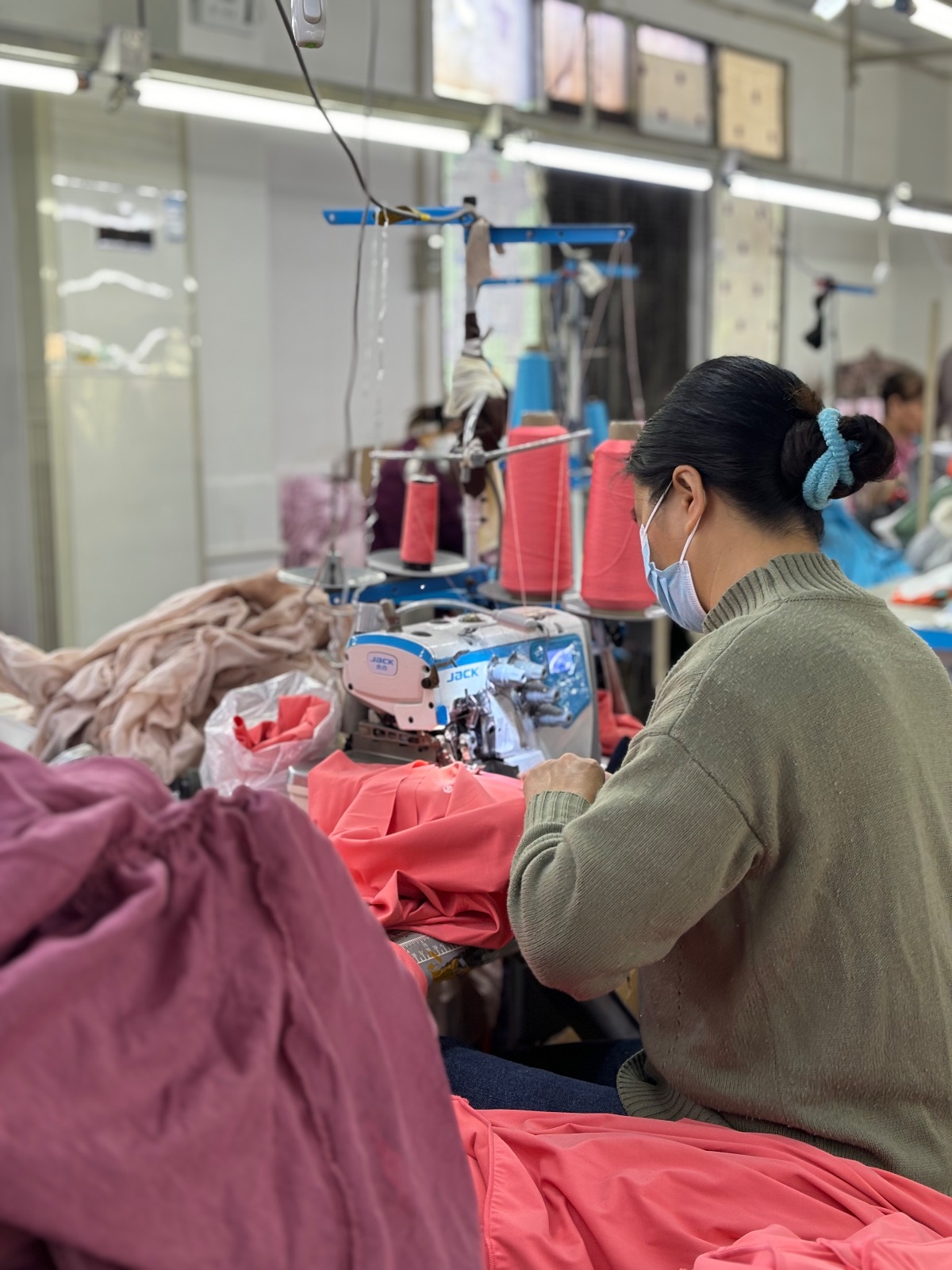
For more insight on how to choose the right manufacturing partner while considering these regulatory aspects, visit Choosing the Right Yoga Activewear OEM Manufacturer in Dongguan.
Ultimately, choosing between domestic and imported manufacturers should factor in how well they can meet and document compliance with relevant standards. It’s crucial to evaluate whether their certifications align with your brand’s ethos and the legal requirements of your target markets.
What to Ask When Reviewing a Supplier's Data Sheet
When evaluating a supplier's data sheet, it's essential to identify the critical specifications and assess their accuracy. Key details like material composition, weight, and fabric blend ratios should be scrutinized. For instance, a data sheet that claims a fabric is 92% polyester and 8% spandex directly affects the wearability and performance of yoga activewear. Verifying these specifications often requires cross-referencing with industry standards such as ASTM or ISO certifications, which indicate a level of compliance and reliability.
Bluffing their way through product claims is not uncommon for suppliers looking to win over clients. To verify the supplier's information, ask for detailed test reports, preferably conducted by third-party testing facilities. These reports can validate claims related to durability, shrink resistance, and colorfastness. Using GOTS standards as a checkpoint can ensure the authenticity of organic material claims, while BSCI-verified suppliers often have socially responsible production processes.
Common pitfalls in supplier evaluations include misinterpretations of vague terms like "premium quality" or "high durability" without numerical backing. Be cautious of suppliers who fail to provide adequate documentation to back these claims. Never accept such adjectives at face value. Instead, insist on empirical data like tensile strength measured in Newtons or shrinkage rates in percentages.
Sample evaluations play a pivotal role in confirming the data sheet's accuracy. Before finalizing decisions, demand physical samples and conduct your tests. Real-world wear tests can reveal much about transparency levels, fabric breathability, and seam integrity that a data sheet may not fully convey.
Ask suppliers about their material standards and testing methods. Questions like "What ASTM tests were conducted on this fabric?" or "Has this material passed UV-resistance testing?" can unveil much about the supplier's commitment to quality. Understanding these aspects not only ensures that you're dealing with a transparent supplier but also that the activewear you're sourcing will meet customer expectations.
Deciding What Works Best for Your Brand
Balancing the choice between imported and domestic yoga activewear manufacturers begins with clarifying your brand's unique priorities. Assess what's crucial: Are you prioritizing cost efficiency without compromising quality? Consider the available logistics setups that can sustain your brand's demand in the long run. Factor in the alignment of supplier values with your brand philosophy – certifications like BSCI and GOTS can be compelling indicators. Evaluate feedback from your current supply chain to gauge reliability. Additionally, consider partnership longevity for sustained growth. Review proposed samples to gain a clear understanding of what fits your criteria.
FAQ: Choosing Between Imported and Domestic Manufacturers
What are the primary benefits of domestic manufacturing?
Domestic manufacturing can offer benefits such as potentially shorter lead times and simplified quality inspections. It reduces the risk of shipping delays and often aligns better with regional compliance and certifications, although it may come with higher costs compared to international sourcing.
How does import duty impact cost when sourcing overseas?
Import duties can significantly increase the overall cost of sourcing from overseas manufacturers. They add to the base price and shipping expenses, potentially offsetting any upfront savings from lower production costs in foreign locations.
