
"How much customization can I expect when sourcing custom activewear from a Chinese OEM?" If you're asking this question, you're not alone. OEM manufacturers in China offer options that can be tailored to brand needs based on industry practices. From fabric choices to design specifics, the degree of customization depends largely on your requirements and communication with the supplier. Navigate through considerations such as minimum order quantities, production timelines, and compliance standards to effectively manage your sourcing experience.
What is the scope of customization in OEM activewear?
Customization in OEM activewear encompasses a wide array of options, including fabric choices, design elements, and fit specifications. Buyers can select from materials like organic cotton, recycled polyester, and performance blends tailored to specific athletic needs. Ensuring that these preferences are communicated clearly to the supplier is crucial in manufacturing. Clear articulation of expectations helps avoid misinterpretations and ensures the end product aligns with the envisioned brand identity.
Differentiating between OEM and ODM is essential. OEMs (Original Equipment Manufacturers) produce garments based on a buyer's pre-existing designs and specifications. In contrast, ODMs (Original Design Manufacturers) offer design services alongside production, suitable for brands needing creative input. With OEM agreements, the buyer retains greater control over customization but demands thorough instruction and specification submission to prevent production errors.
Customization is subject to limitations, often defined by minimum order quantities (MOQs), available materials, and tooling capabilities. For instance, unique fabric blends might require higher MOQs due to specialized sourcing. The degree of customization feasible is also contingent on the factory's production capabilities and their familiarity with different fabric technologies.
Sample production serves as a vital tool for verifying customization capabilities. A sample provides a tangible reference, allowing buyers to spot inconsistencies before full-scale production begins. This step is indispensable in ensuring the final product meets expectations and adheres to initial designs.
Types of Customization in OEM Activewear
| Customization Type | Best For | Trade-off | Typical MOQ | What to ask the supplier |
|---|---|---|---|---|
| Fabric Choice | Performance differentiation | Higher cost for specialized materials | 500 units | Is the material sustainably sourced? |
| Design Elements | Unique brand identity | Longer design approval timelines | 300 units | Can we make revisions to the design prototype? |
| Fit Specification | Targeted athletic performance | Increased sample iterations | 250 units | How do you handle fit adjustments? |
| Color Variations | Seasonal trends | Dye lot consistency challenges | 1000 units | Are dyes compliant with eco-standards? |
| Printing Techniques | Branding and logo placement | Possible longevity issues with certain prints | 400 units | What printing methods do you use? |
What are the typical minimum order quantities for custom activewear?
Minimum Order Quantity (MOQ) represents the smallest number of pieces a manufacturer is willing to produce in one run. For custom activewear, MOQs typically range between 500 to 1,000 pieces per style or design. This figure often varies based on factors like garment complexity, fabric choice, and the level of customization required.
Variation by Garment Type
For simpler items like basic yoga pants or standard sports bras, the MOQ may trend toward the lower end, somewhere around 500 pieces. Garments that require intricate designs or involve multiple fabric types – like sports tops with specialized prints or yoga sets with unique texture blends – might push the MOQ to 1,000 pieces or higher.
Impact of Customization on MOQ
Customization level significantly influences MOQ. OEMs often need to order raw materials in bulk to capitalize on economies of scale, especially when using custom fabrics, dyes, or trims. The more unique your specifications, the higher the MOQ tends to be, due to the additional setup and sourcing costs these requirements entail. For instance, using specially dyed organic cotton might require higher MOQs to justify the processing and material costs.
How MOQ Affects Production Costs
MOQ directly affects the cost per unit of production. Higher MOQs typically mean lower costs per piece due to material procurement efficiencies and efficient labor use. However, higher MOQs also result in larger upfront investments for buyers, which might not always align with budget constraints, especially for smaller brands or startups. Therefore, it's essential to gauge if the cost benefits of a larger MOQ outweigh the financial strain it might impose.
Communicating Your MOQ Needs
Clear communication with suppliers regarding MOQ is crucial. Suppliers should be informed about your desired order quantities early in negotiations to assess whether they can meet your needs and offer flexibility. This conversation can reveal potential compromises or alternative solutions to meet both party's requirements effectively.
How do production timelines vary for custom orders?
Custom activewear production timelines can fluctuate significantly, primarily influenced by the complexity of the designs and the size of the orders. Detailed elements such as unique fabric patterns, intricate stitching, or tailored fits typically require more extensive production phases. For instance, a straightforward design may progress quickly through production, whereas a more intricate style could double the expected time due to additional pattern making and approvals.
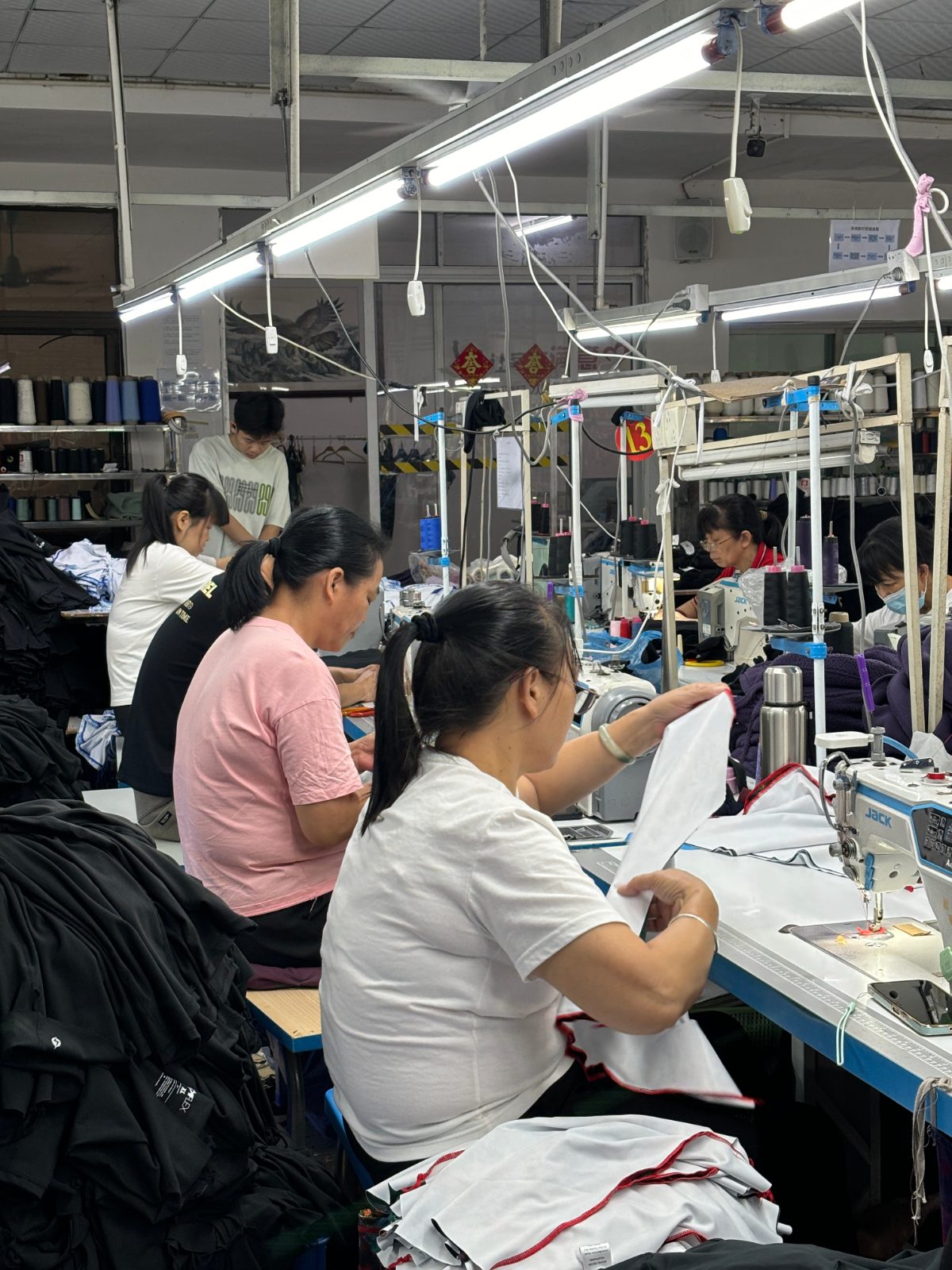
Industry-wide, lead times for custom orders can span anywhere from 4-12 weeks. However, these should be approached as flexible estimates. Simpler designs and smaller orders are usually at the lower end of this range, while complex, large batch orders trend towards the higher end due to more involved manufacturing processes and quality assurance checks.
Sampling timelines also play a crucial role in the overall schedule. Producing samples is a vital step for ensuring the designs meet the buyer’s requirements and the intended quality standards. Sampling typically adds 2-3 weeks to the production timeline, as it includes time for initial sample creation, feedback, and potential revisions.
Setting realistic timelines with your OEM requires open discussions about expected lead times, potential bottlenecks, and any unique elements in your order. This approach can help define a flexible yet achievable schedule. Establishing this timeline early on assists in managing expectations and planning subsequent launch activities accordingly.
Managing delays effectively requires proactive strategies and ongoing communication. Have periodic check-ins with your OEM to monitor progress, and note any unforeseen issues immediately. This practice ensures that both parties can address potential delays promptly, minimizing disruption to your project timeline.
What certifications should a buyer consider when choosing an OEM?
Buyers eyeing Chinese Custom Activewear OEMs should prioritize compliance with international standards to ensure product quality and market viability. Certifications like BSCI (Business Social Compliance Initiative) and GOTS (Global Organic Textile Standard) serve as industry benchmarks, indicating a manufacturer's commitment to ethical practices and ecological responsibility.
BSCI and GOTS as Benchmarks
BSCI certification is pivotal as it ensures that the factory adheres to social compliance across labor rights, workplace safety, and fair wages. This certification is essential for brands that value ethical labor practices, particularly for entry into Western markets that scrutinize supply chains. Meanwhile, GOTS certifies that the textiles are processed using organic fibers, emphasizing sustainability. This is crucial in an industry moving toward eco-friendly and sustainable solutions.
Other Essential Considerations
While BSCI and GOTS top the list, buyers might also consider standards like those for environmental management systems to ensure that factory processes minimize harmful environmental impact. Though not claimed by Dongguan Uga Fashion Co., Ltd., ISO 9001 for quality management is common in assessing the overall quality assurance capability of a manufacturer.
Impact on Product Quality and Marketability
Certifications directly impact the perceived quality and marketability of products. A GOTS-certified product, for instance, can command higher market valuations due to its organic and sustainable appeal. Similarly, BSCI compliance reassures buyers about ethical sourcing, which is increasingly becoming a mandatory attribute in retail decision-making.
Verify OEM Certification Status
Before finalizing an order, it's imperative for buyers to confirm the OEM's certification status. This can be done by requesting copies of the certificates or checking with the certifying bodies directly. This step ensures the supplier’s claims match their credentials, safeguarding against potential compliance issues later on.
What are the common challenges when sourcing from China?
Navigating the landscape of sourcing custom activewear from China presents a set of unique challenges. Language and cultural barriers stand as significant obstacles. Communication gaps often arise due to language differences, potentially leading to misunderstandings or misinterpretations in product specifications. Additionally, cultural nuances may influence negotiation styles and decision-making processes, which can be unfamiliar to Western buyers.
Understanding and complying with Chinese manufacturing regulations is another hurdle. China’s regulations can differ significantly from those in Western countries, requiring diligent research and coordination to ensure compliance. Manufacturers might operate with local standards that may not align with your expectations, leading to discrepancies in quality standards. For instance, while BSCI and GOTS certifications are critical benchmarks, it’s essential to confirm these certifications directly with suppliers.
Time zone differences also complicate effective communication. With a typical difference of 12-15 hours between China and the US, real-time communication can be difficult, leading to delays in decision-making and project updates. Strategies such as setting scheduled meetings during overlapping hours and utilizing digital project management tools can help mitigate this issue.
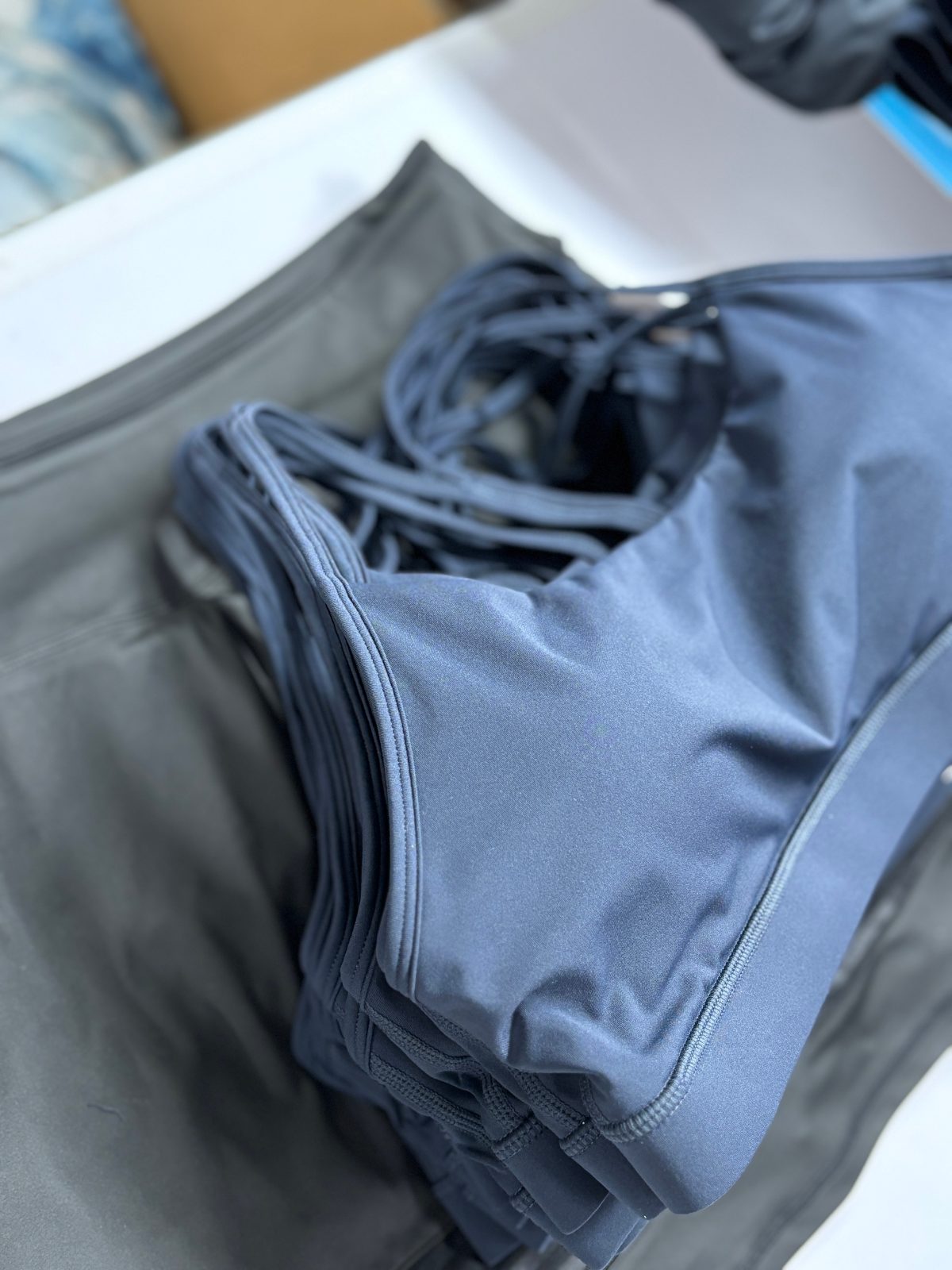
To overcome these challenges, establishing clear communication protocols is crucial. This includes determining preferred communication channels and scheduling regular updates. Engaging a local third-party agent who understands both cultures and languages can assist in bridging communication gaps and navigating regulatory requirements. Reading resources like the Choosing Between Imported and Domestic Yoga Activewear Manufacturers can also provide insight into these issues and aid in decision-making.
Addressing these challenges effectively requires preparation and patience. By understanding the inherent obstacles and adopting proactive strategies, buyers can enhance their sourcing experience and achieve successful outcomes.
Checklist for sourcing custom activewear from China
Determine Your Customization Needs: Before proceeding with an order, it's crucial to define what you need customized – be it specific fabric types, particular design elements, or unique sizing requirements. Having a detailed wish list can streamline communications with potential suppliers and ensure your expectations align with what's feasible within their capabilities. Clearly document every customization detail to avoid misunderstandings.
Set Realistic Budget Expectations: Customization can influence costs substantially, often driven by the complexity of your specifications and the quality of materials chosen. Given the variables at play, preparing a flexible budget that accounts for these factors is wise. Additionally, factor in hidden costs like tooling or dyeing charges that could emerge during production discussions.
Verify Supplier's Certifications: Ensuring the supplier is certified is non-negotiable for quality and compliance assurance. Certifications such as BSCI and GOTS serve as benchmarks for ethical and sustainable production practices. Before committing, request verification of these certifications to confirm they meet both your standards and those expected by your markets.
Sample Testing Process: Before anything goes into full production, a sample test is essential. It allows you to verify that the end product meets your specifications and standards. This step is crucial in identifying any potential issues or necessary adjustments early in the process. It might take several revisions of samples to hit the mark, so plan this into your timeline and budget.
Evaluate Logistics and Shipping Options: Coordinating shipping from China involves choosing between cost and speed, determining the best method for your needs – whether air freight for speed or ocean freight for cost savings. Also, keep in mind that regulatory requirements for shipping can vary greatly between countries. For more insight into related processes, see our guide on the Production Process of Eco-Friendly Yoga Wear. Ensuring your logistics are aligned with your market's regulatory landscape will prevent potential delays.
Now that you know these key factors, what’s next in your sourcing process?
Armed with the knowledge of key decision factors, it's time to take actionable steps to secure your custom activewear orders. Start by reaching out to potential suppliers. Initial inquiries help confirm their ability to meet your customization needs and clarify any uncertainties. Maintain ongoing communication to ensure alignment throughout production. Before finalizing orders, verify all details, especially certifications and timelines, to avoid discrepancies. Having detailed specifications up front is crucial as it streamlines the process and minimizes potential hold-ups. Ultimately, careful planning and clear dialogue ensure successful sourcing and quality outcomes.
FAQ on Custom Activewear OEM Sourcing from China
What is the role of an OEM in activewear manufacturing?
An OEM, or Original Equipment Manufacturer, produces activewear according to another company's specifications and brand requirements. They focus on delivering the agreed products without typically engaging in design. This is key when wanting to scale product lines efficiently.
How can I ensure quality compliance with my OEM supplier?
Ensure your supplier has requisite certifications like BSCI and GOTS. Request for regular quality control reports and visit manufacturing sites if possible. Consistent communication and detailed documentation during the production phase can also help uphold quality standards.
Are sample orders necessary before large production runs?
Yes, sample orders are crucial. They allow you to evaluate the practical application of your customization choices, verify quality, and make necessary adjustments before committing to a full production run. This mitigates risks significantly.
What should I include in a clear design brief for OEM manufacturing?
A comprehensive design brief should include the types of garments, preferred materials and fabrics, specific design elements, sizing details, color schemes, and any additional functional requirements. Clarity in these elements ensures suppliers align with your brand's needs.
