
Selecting a yoga shorts supplier in China can be a strategic move for your brand. The decision hinges on several factors including compliance with standards like BSCI and GOTS, production capacity, and the ability to meet design specifications. A reliable supplier should be versatile, accommodating various material preferences and able to adapt to both OEM and ODM needs, ensuring quality and sustainable practices. Engage in detailed negotiations about quality assurance processes and check previous client feedback and sample quality. This ensures the partnership not only meets production requirements but also aligns with your brand's ethical standards.
Understanding Supplier Certifications
When sourcing yoga shorts from a supplier, two certifications stand out as vital: BSCI (Business Social Compliance Initiative) and GOTS (Global Organic Textile Standard). These certifications serve as crucial indicators of ethical practices and quality assurance.
BSCI Certification. The BSCI certification is a social auditing methodology, aimed at improving working conditions throughout the global supply chain. Suppliers that fulfill BSCI standards demonstrate a commitment to fair labor practices and ethical operations, which is increasingly important in the eyes of conscientious consumers. Brands aligning themselves with BSCI-certified suppliers not only adhere to international labor standards but also enhance their marketability and consumer trust.
Impact on Brand Reputation. The global marketplace is fiercely competitive, and brand reputation can make or break consumer relationships. Suppliers certified under BSCI and GOTS uphold higher standards of operation and production. BSCI compliance underscores a commitment to high ethical standards, fostering a positive brand image. Coupled with GOTS, it assures consumers of not only a socially responsible production line but also an environmentally friendly approach, involving organic materials and eco-conscious processing methods.
GOTS Certification. On the other hand, GOTS certification pertains explicitly to the textiles themselves. It assures that products are made with organic fibers, processed to meet comprehensive environmental and toxicological criteria. For yoga shorts suppliers, GOTS certification is a testament to their capability to meet stringent international standards, which is essential in an era where sustainability is increasingly a priority. Consumers today demand transparency and responsibility, and sourcing GOTS-certified products can significantly boost a brand's alignment with these values.
Certification as Reflective of Capabilities. Choosing a supplier that holds BSCI and GOTS certifications is indicative of their capability to meet international standards. These certifications are not easily awarded; they require adherence to rigorous criteria involving both social and environmental criteria. This, in turn, translates to a higher level of assurance that the supplier can consistently deliver quality products while maintaining ethical standards, a crucial consideration for any brand looking to make informed decisions about their supply chain.
In summary, for brands seeking to partner with reputable suppliers, both BSCI and GOTS certifications are more than just badges – they are symbols of adherence to the highest levels of ethical and quality standards. They form part of the foundation upon which brand reputation is built and sustained in a market where consumer scrutiny is sharper than ever.
Capacity and Capability Considerations
When selecting a yoga shorts supplier in China, it's crucial to assess both their production capacity and capability to handle your specific needs. Understanding these factors ensures that the supplier can accommodate your volume requirements and possess the flexibility to adapt to complex designs or customization needs.
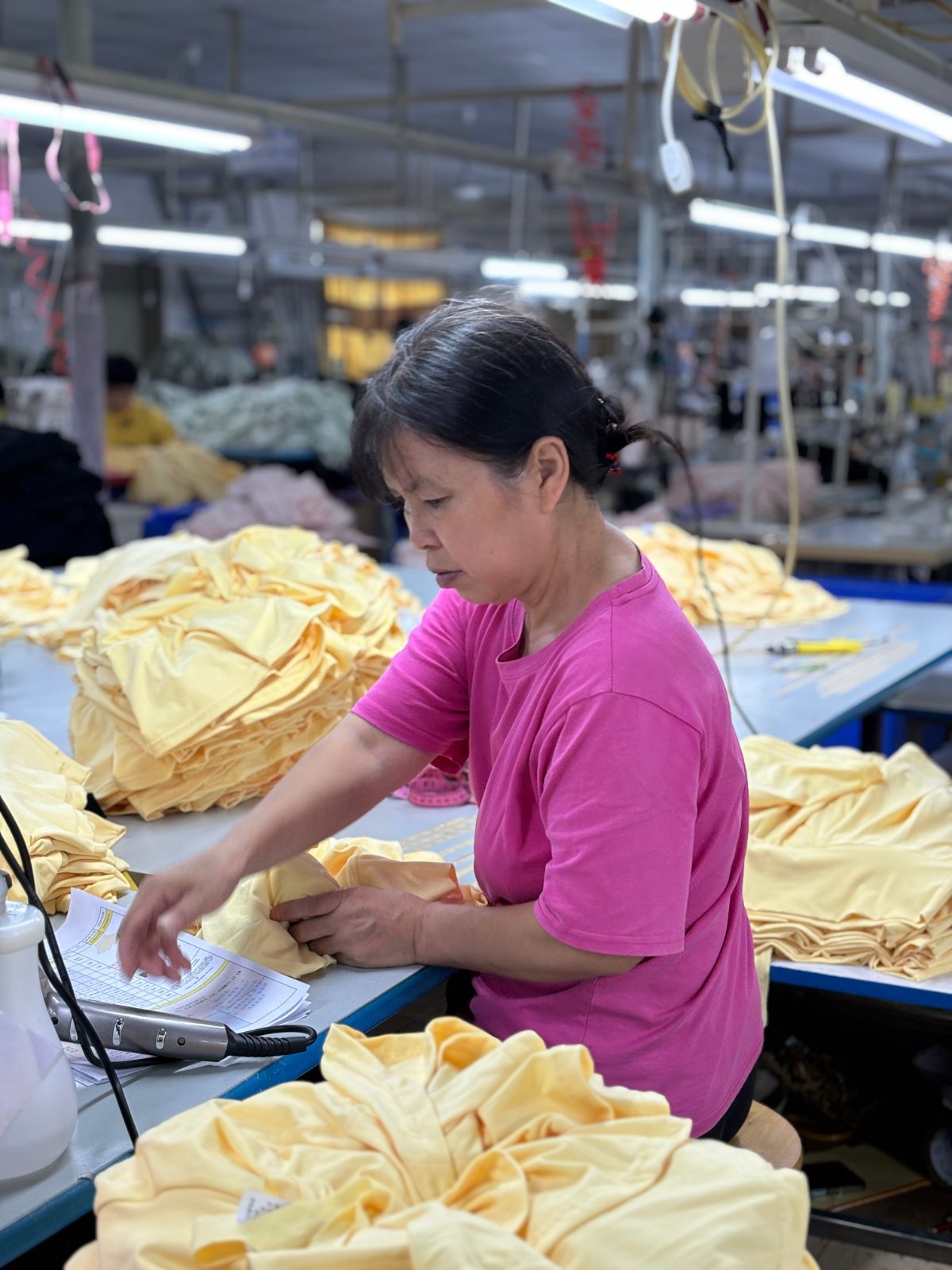
Evaluating Production Capacity. Different suppliers offer varying levels of monthly production capacity. Assessing a supplier's production capacity involves looking at their historical performance and infrastructure – elements such as the size of their manufacturing space and the number of active production lines can often give insights into their true capabilities. Ensure to ask suppliers about their production levels directly to match your requirements.
Handling Complex Designs. Not all suppliers are equipped to handle intricate designs or customization needs. The ability to produce complex styles often depends on the supplier's technology and craftsmanship. Look for evidence of advanced manufacturing techniques, such as seamless technology or specialized stitching precision, as noted in the Field Notes: The Stitching Precision Behind Our Yoga Shorts. This capability ensures that the end product aligns with your brand's design and quality standards.
Turnaround Time Flexibility. Flexible lead times are essential, particularly when accommodating varying order sizes. Suppliers with a streamlined production process can more easily adjust their schedules to meet your needs. While exact lead times depend on specific orders, especially for customized designs, understanding a supplier's flexibility in this area can help you plan more effectively.
Capacity and Design Handling Comparison
| Supplier Name | Monthly Production Capacity | Customization Capabilities | Lead Time Flexibility |
|---|---|---|---|
| Dongguan Uga Fashion Co., Ltd. | It varies | Inquire about techniques | Flexible |
| Supplier B | Medium | Basic | Moderate |
| Supplier C | Low | Advanced techniques | Low |
| Supplier D | High | Limited | High |
| Supplier E | Medium | Moderate | High |
| Supplier F | High | Advanced techniques | Moderate |
Choosing the right supplier involves a careful balance between these considerations. By evaluating each supplier's production and design capabilities alongside their turnaround time flexibility, you position your brand to meet customer demands efficiently.
Material and Design Flexibility
Sourcing Sustainable Materials. When it comes to selecting a yoga shorts supplier in China, understanding their ability to source sustainable materials is crucial. The growing demand for eco-conscious options requires suppliers to have robust connections with fabric producers offering sustainable textiles. Look for suppliers actively using Global Organic Textile Standard (GOTS) certified materials, which ensure that the textiles are processed organically and ethically. Additionally, materials like recycled polyester and organic cotton contribute significantly to reducing environmental impact while maintaining fabric durability, crucial for activewear. More information on eco-friendly options can be found here.
Flexibility in Custom Design Requirements. A supplier’s ability to adapt to custom design requirements dictates the level of uniqueness you can offer to your customers. This flexibility can be gauged by examining the variety of customization options they provide – be it through pattern design, fabric choice, or features like reinforced stitching and printed logos. A supplier skilled in ODM (Original Design Manufacturing) or OEM (Original Equipment Manufacturing) could offer bespoke solutions tailored to your brand's specifications. This adaptability is crucial for dynamic brands looking to set their products apart in a competitive market.
Quality of Materials and Their Impact. The quality of materials chosen by a supplier directly impacts the performance of the final product. Key characteristics to evaluate include the elasticity, breathability, and moisture-wicking properties of the fabrics. For instance, materials with high spandex content typically offer greater elasticity, allowing for a wider range of movement, while nylon or polyester blends often enhance moisture control – an essential feature in yoga shorts. When assessing quality, inquire about the supplier’s quality control processes and whether they conduct performance testing under real-world conditions to ensure garments maintain their function and appearance through extensive use.
Choosing a supplier with strong sourcing channels for sustainable materials and the capability to adapt designs ensures not only product excellence but also aligns with modern consumer values, addressing both performance needs and sustainability demands.
Pricing and Quality Assurance
The key to securing financially viable yoga shorts production lies in astutely negotiating your pricing terms. Material choice. When selecting materials like nylon, polyester, or blends with spandex, the cost implications are substantial. For instance, high-performance fabrics such as recycled polyester may carry a higher price tag but offer favorable sustainability credentials and enhanced consumer appeal, justified by attributes like moisture-wicking and elasticity. For accurate budgeting, factor in additional costs for eco-friendly materials or special finishes you might need.
Design complexity. The intricacy of your design directly impacts pricing. Simpler builds with basic stitching will naturally incur lower costs compared to complex designs involving multiple panels, sophisticated seam work, or advanced printing techniques. Each added layer of complexity often requires more labor, specialized machinery, or longer production times, all of which contribute to cost increases.
Quality assurance protocols. Establishing thorough quality assurance measures is crucial to maintaining the balance between cost efficiency and product integrity. Industry-standard checks like sizing and stitch density can help avoid costly recalls or customer dissatisfaction downstream. Regular audits ensure compliance with the expected standards, reducing the risk of defects slipping through manufacturing lines.
Impact on supplier relationship. Negotiated pricing shouldn't sacrifice long-term reliability. A financially sustainable deal for both parties helps to foster trust and enhances supplier reliability. Underpinning prices with quality protocols may also encourage suppliers to invest in maintaining high standards. This collaborative approach can prevent pricing disputes and quality downgrades over time, supporting a sustainable business relationship.
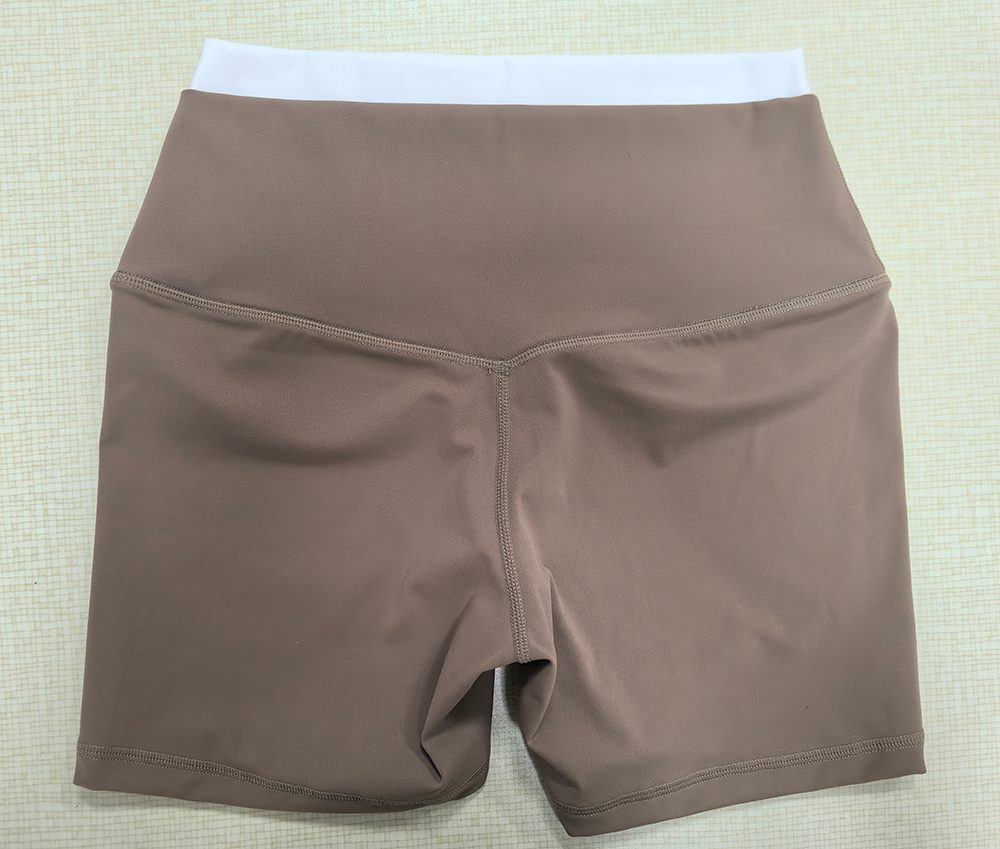
In sum, negotiating prices embedded in the material and design context while emphasizing robust quality assurance is fundamental to optimizing both short-term gains and long-term partnerships. Ensuring your supplier is conscious of these goals not only aligns immediate business needs but also sustains value throughout the manufacturing life cycle.
Evaluating Supplier Communication
Order accuracy depends on communication. When sourcing from suppliers, effective communication is crucial in maintaining order accuracy. Misunderstandings about specifications, such as size charts, color palettes, or fabric types, can lead to costly errors and delays. For instance, if a supplier misinterprets a change request for a specific inseam length, the entire batch could end up failing quality checks, leading to wasted resources. Clear communication channels help ensure that every detail of an order is understood and executed as intended.
Assess past interactions. As a general practice, evaluating a supplier's communication history with other brands provides insight into their reliability and responsiveness. Look for testimonials or case studies that highlight their track record in dealing with order modifications and resolving issues promptly. Positive feedback from previous clients about a supplier's proactive communication often indicates they can handle the dynamic needs of activewear manufacturers. A supplier with a history of delays or unresponsiveness might signal potential red flags that could impact your production timeline.
Address communication barriers directly. Language differences and time zone discrepancies often pose challenges in maintaining seamless communication with suppliers in China. One strategy to enhance effectiveness is establishing a standardized communication protocol. This can include regular check-ins, use of common software tools like Slack or Microsoft Teams, and setting clear response time expectations. For instance, using bilingual documents and ensuring key contacts on both sides are proficient in English can mitigate misunderstandings.
Improve coordination with technology. Utilizing digital coordination tools is another aspect that can help improve communication flow. Platforms like Asana or Trello for project management can provide real-time updates on order status and facilitate transparent exchanges between your team and the supplier. This approach minimizes missed messages and fosters a collaborative environment where both parties can proactively address potential issues. Similarly, Virtual Reality (VR) or 3D modeling can bridge the gap in design clarity, allowing stakeholders to visualize prototypes remotely and make informed decisions faster.
In sum, assessing and improving communication capabilities with your supplier is not just about maintaining order accuracy – it's about building a robust partnership that can adapt to your business needs over time.
Key Takeaways for Your Decision
Selecting the right yoga shorts supplier boils down to aligning three key factors with your brand's goals. Certifications: Verify that the supplier holds critical certifications like BSCI and GOTS, ensuring ethical compliance and quality. Capabilities: Assess their production capacity and ability to deliver complex, customized designs. Finally, Material and Design Flexibility: Ensure they can source and adapt sustainable materials. Each decision requires thorough due diligence, from visiting facilities to understanding their communication practices. Keep in mind: does your chosen supplier enhance or dilute your brand values?
Frequently Asked Questions About Sourcing Yoga Shorts
What certifications should I look for in a yoga shorts supplier?
When choosing a yoga shorts supplier, look for BSCI and GOTS certifications. These ensure that the supplier adheres to ethical labor practices and sustainable material sourcing, crucial for aligning with modern consumer expectations.
How can I verify a supplier's production capacity?
Ask for detailed information on the supplier's monthly production rates and request references from past clients. A visit to their manufacturing site or a virtual tour can also provide insights into their operational capabilities.
