
The activewear market is growing fast. More people are working out today. Women need the right gear for these activities. The most important piece of gear is the sports bra. It is not just an accessory. It is a necessity.
For sportswear brands and wholesalers, understanding sports bras is vital. You cannot just sell one type. Different bodies need different fits. Different sports need different support.
This guide covers every type of sports bra. We categorize them by impact, construction, and style. We also explain why this matters for your business. This will help you plan your inventory. It will help you choose the right manufacturer.
Types of Sports Bras by Impact Level
The most common way to sort sports bras is by impact level. This refers to the intensity of the exercise. It tells the customer how much support the bra offers. A good product line must have all three levels.
Low Impact Sports Bras
Low-impact sports bras offer light support. They are for gentle activities. These activities do not involve jumping or bouncing. Examples are yoga, Pilates, and walking.
The design is usually simple. The fabric is often thinner and softer. Comfort is the main priority here. These bras often feature narrow straps. They may have intricate back details. They are very fashionable. Many women wear them as casual tops. They are popular for the “athleisure” trend. They are not suitable for running.
Medium Impact Sports Bras
Medium impact sports bras offer moderate support. They bridge the gap between comfort and control. They are versatile. They work for many different activities. Examples include hiking, cycling, and weight training.
These bras use slightly stronger fabric. The bands are usually wider than low-impact bras. They provide a tighter fit. They restrict movement more than low-impact bras. They are the best sellers for general gym goers. They cover the widest range of customers.
High Impact Sports Bras
High-impact sports bras offer maximum support. They are for intense activities. These activities involve a lot of bouncing. Examples are running, HIIT, aerobics, and tennis.
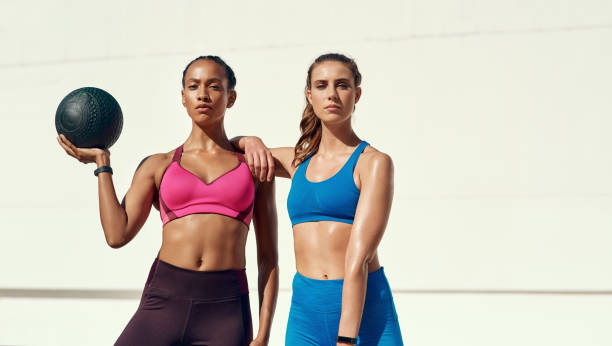
The construction here is complex. The fabric is strong and non-stretchy. The straps are wide and often padded. The bottom band is thick and firm. The goal is to stop breast movement completely. This prevents pain and tissue damage. This product is essential for serious athletes. It is also vital for women with larger busts.
Types of Sports Bras by Construction
Construction refers to how the bra is built. It explains the mechanics of the support. Understanding this helps you talk to manufacturers. It helps you specify the technical design.
Compression Sports Bras
Compression bras are the simplest type. They work by pressing the breasts against the chest. They usually do not have cups. They look like a single piece of fabric.
These are common for low to medium-impact activities. They work best for smaller cup sizes. They are easy to manufacture. They are usually pull-over styles. They have no hooks or zippers. They are cost-effective for brands to produce.
Encapsulation Sports Bras
Encapsulation bras work differently. They support each breast individually. They have defined cups like a regular bra. They surround and lift the breast.
These provide a natural shape. They do not flatten the chest. They are excellent for high-impact activities. They are best for larger cup sizes. They prevent the “uni-boob” look. The construction is more complex. They often use underwires or molded cups. They are more expensive to make but sell for a higher price.
Combination (Hybrid) Sports Bras
Combination bras use both methods. They compress the chest and encapsulate the breasts. This offers the best support possible.
They have molded cups on the inside. They have a strong overlay on the outside. This is the gold standard for high-impact sports bras. It is perfect for running. It works well for all sizes. This is a premium product in any sportswear line.
Types of Sports Bras by Back Style
The back of the bra is important. It affects support. It also affects the look. Fashion is a big driver in sportswear sales. The back style dictates the range of motion.
Racerback Sports Bras
Racerback bras join between the shoulder blades. They create a Y shape or V shape on the back. This is a classic sports look.
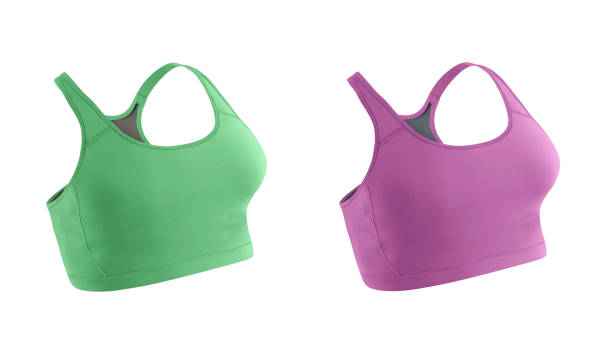
This style sits close to the neck. It allows the arms to move freely. The straps cannot slip off the shoulders. It offers good support. The weight is distributed to the center of the back. It is great for high-intensity training. However, it is not adjustable.
Criss-Cross Sports Bras
Criss-cross bras feature straps that cross over. They look stylish and modern. They are very popular in the yoga market.
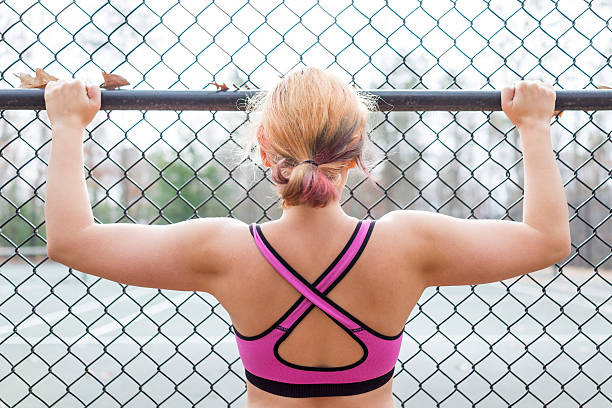
The straps can be thin or thick. Thin straps are for low impact. Thick straps provide more firmness. This style looks good under open-back tank tops. It is a key item for fashion-forward brands.
Scoop Back (U-Back) Sports Bras
Scoop back bras look like regular, everyday bras. The straps go straight over the shoulders. They form a U shape on the back.
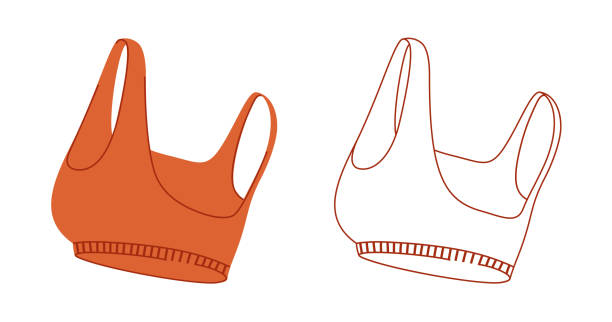
These are easier to put on. They usually have a hook-and-eye closure. They are adjustable. This is important for fit. Many women prefer this for comfort. It is easier to take off after a sweaty workout. It is a great option for larger sizes.
Types of Sports Bras by Features and Details
Special features add value to your product. They solve specific problems for the user. These features differentiate your brand from others.
Padded Sports Bras
Padding adds shape and modesty. Pads can be sewn in or removable. Removable pads are very popular. They give the customer a choice.
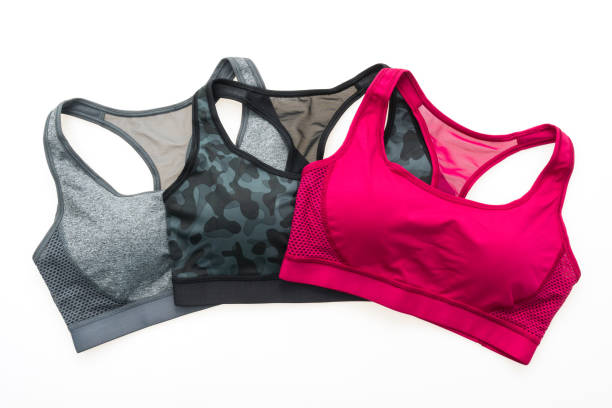
Padding prevents nipple show-through. It helps small busts look fuller. It adds a layer of protection. However, pads can move during washing. Sewn-in pads solve this but are harder to make.
Underwire Sports Bras
Underwire adds significant support. It separates the breasts effectively. The wire is usually flexible. It is wrapped in soft fabric to prevent rubbing.
This is crucial for DD+ cup sizes. Some customers dislike wires. Others cannot wear a bra without them. Offering an underwire option captures a specific market segment.
Zip-Front Sports Bras
Zip-front bras fasten at the front. There is a zipper between the cups.
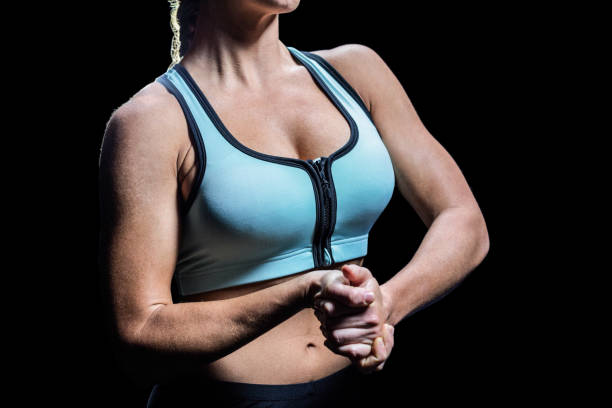
This is a functional design choice. It makes the bra very easy to put on. It is easy to take off. This is helpful after a hard workout. It is also good for women with limited mobility. It looks sporty and technical. You must use high-quality zippers. A locking zipper is essential so it stays closed.
Adjustable Sports Bras
Adjustability is a premium feature. This includes adjustable shoulder straps. It includes back hooks.
Everybody is different. Fixed straps do not fit everyone. Adjustable straps ensure a perfect fit. This reduces returns for your business. It allows the user to tighten the bra as it stretches over time.
Why Does the Market Need So Many Types?
You might wonder why we need so many varieties. Why not just sell one good bra? The answer lies in diversity.
Body Diversity: Women come in all shapes. A woman with a small bust has different needs than a woman with a large bust. A compression bra works for one. An encapsulation bra is needed for the other.
Activity Diversity: A yoga class is different from a marathon. Wearing a high impact armor for yoga is uncomfortable. Wearing a flimsy top for running is painful. Different tools are needed for different jobs.
Style Preferences: Some women want to look sexy at the gym. Some want to be covered up. Some want bright colors. Some want basic black. Variety drives sales. It encourages customers to buy more than one item.
Benefits for the Individual Consumer
Understanding these types helps the end user. When your customers know what to buy, they are happier.
Comfort and Health
Choosing the right type prevents pain. It protects the Cooper’s ligaments in the breast. These ligaments can stretch permanently without support. The right bra prevents sagging. It makes the workout enjoyable.
Performance
A good bra improves performance. If a woman is worried about bounce, she moves less. With the right support, she runs faster. She jumps higher. She focuses on the sport, not her clothing.
Confidence
The right fit looks good. It creates a flattering silhouette. When a customer looks good, she feels confident. She is more likely to go to the gym. She is more likely to wear your brand.
How They Choose
Customers look at the activity first. Then they look at their size. Then they choose the style. Your product descriptions must guide them. Clear labels like “High Support” or “Yoga Bra” are helpful.
Benefits for B2B Buyers and Brand Owners
For you as a business owner, variety is a strategy. It is not just about filling a catalog. It is about business growth.
Meeting Market Demand
The sportswear market is competitive. If you only offer one style, you lose customers. A full range attracts a wider audience. You can sell to the yoga studio. You can sell to the CrossFit gym. You can sell to the running club.
Increasing Average Order Value (AOV)
Customers rarely buy just one bra. They need a rotation. They might buy one high-impact bra for running. They might add a low-impact bra for lounging. Offering different types encourages bundle purchases.
Building Brand Loyalty
Fit is the number one reason for returns. It is also the number one reason for loyalty. If a customer finds a bra that fits her specific needs, she stays. She becomes a repeat buyer. She trusts your brand.
How to Choose for Your Line
Analyze your target audience. Are they yogis? Focus on low-impact, soft fabrics, and strappy backs. Are they runners? Focus on high-impact, technical fabrics and adjustability. Are they plus-size? Focus on encapsulation and wide bands.
Why You Need a Professional Manufacturer
Designing these bras is hard. Producing them is harder. Sports bras are technical garments. They require specialized machinery. They require skilled labor.
A standard t-shirt factory cannot make good sports bras. You need a factory with experience in activewear.
Fabric Knowledge: The factory must understand technical fabrics. They need to source moisture-wicking materials. They need high-elasticity spandex. They need breathable mesh.
Construction Quality: The stitching must be flat. This prevents chafing. The seams must be strong. They are under high tension. The elastics must be durable. A cheap factory will use cheap elastic. It will snap after a few washes. This destroys your brand reputation.
Customization Capability: You need a partner who can customize. You might want your logo on the band. You might want a custom print. You might want to adjust the sizing chart for your country. A professional OEM (Original Equipment Manufacturer) can do this.
Partner with Uga Wear
Finding the right factory is the first step to success. You need a partner who understands the global market. You need a partner with a proven track record.
Uga Wear is a leading sportswear manufacturer in China. They specialize in activewear. They have years of experience producing high-quality sports bras.
Why Choose Uga Wear?
- Extensive Catalog: They can produce all the types mentioned in this article. They make low, medium, and high impact bras. They make compression and encapsulation styles.
- Customization: They offer full OEM and ODM services. You can send them your design. They will make it real. You can also choose from their existing designs and add your logo.
- Quality Control: They use professional 4-needle 6-thread sewing machines. This ensures durable and flat seams. They inspect every piece before shipping.
- Flexible Quantities: They understand small businesses. They are friendly to startups. They also have the capacity for large wholesale orders.
- Trend Awareness: They follow global fashion trends. They have the latest colors and fabrics.
If you are looking for a reliable supplier, check them out. They can help you build a successful sports bra line.
Visit their website here: https://ugawear.com/
Conclusion
The world of sports bras is detailed and driven by function. For business professionals in the sportswear industry, mastering this typology is a powerful tool. It enables you to make smart sourcing decisions, develop targeted collections, and ultimately provide real value to your customers. By partnering with a manufacturer that possesses the right technical expertise, you transform this knowledge into a successful, supportive, and profitable product line.
Ready to develop your technical sports bra collection? Contact a specialist manufacturer like Uga Wear to discuss your requirements and turn your product vision into reality.
