
A customer approached Dongguan Uga Fashion Co., Ltd. with a problem that was impacting their customer satisfaction scores and return rates: their leggings were notorious for rolling down during wear. This was not just a minor inconvenience; it affected their brand image and could potentially lead to a loss in sales. Buyers should inquire about techniques to ensure leggings maintain proper fit and inquire about solutions that enhance user comfort. This case study explores general strategies to resolve the leggings rolling down problem and potential outcomes.
Identifying the Leggings Rolling Issue
Customer feedback clearly illuminated the issue of leggings rolling down as a predominant concern. Buyers consistently reported dissatisfaction, primarily pointing out the inconvenience and discomfort during activities when leggings failed to stay in place. Variations in physical build and activity types further exacerbated this problem, indicating discrepancies not just in design but also in material choice and construction.
Sample Inspections Reveal Faults
Upon examining multiple samples that exhibited the rolling issue, specific patterns emerged. It was observed that leggings with a lower quality spandex content, especially those alloys lacking adequate elasticity, were more prone to rolling. The elasticity necessary to maintain the leggings in a secure position was significantly compromised in these cases.
Influence of Fabric Type
Fabric types played a critical role in this defect. Differences in material composition, such as the ratio of polyester to elastane, directly affected the product's performance. Fabrics with insufficient elastic fibers did not conform well to the body's movements, leading to a decrease in waistband grip and an increase in tendency to roll.
Waistband Design Flaws
A deep dive into waistband designs also flagged a lack of structure as a critical fault. Waistbands without reinforced layering or inadequate stitching were less effective in holding the leggings in place. Seamless designs, while offering comfort, sometimes sacrificed necessary structural support unless compensated by optimum elasticity materials.
Size Consistency and Fit Issues
Size variations across different leggings batches contributed to fit inconsistencies. These discrepancies often arose during batch production where quality control standards were not uniformly applied.
Factors Contributing to Leggings Rolling
| Factor | Impact on Rolling | Resolution Approach |
|---|---|---|
| Fabric elasticity | Reduced waistband grip | Use higher elastane content |
| Waistband construction | Limited structural reinforcement | Reinforce stitching, use grippy bands |
| Size variation | Misfit garments more susceptible | Standardize sizing metrics |
| Use of cheap materials | Lower tolerance to movement | Source quality-certified fabrics |
Rolled down leggings not only highlighted fabric and design flaws but also unequivocally pointed toward the necessity for synchronized improvement efforts – from fabric selection to design execution – in leggings manufacturing.
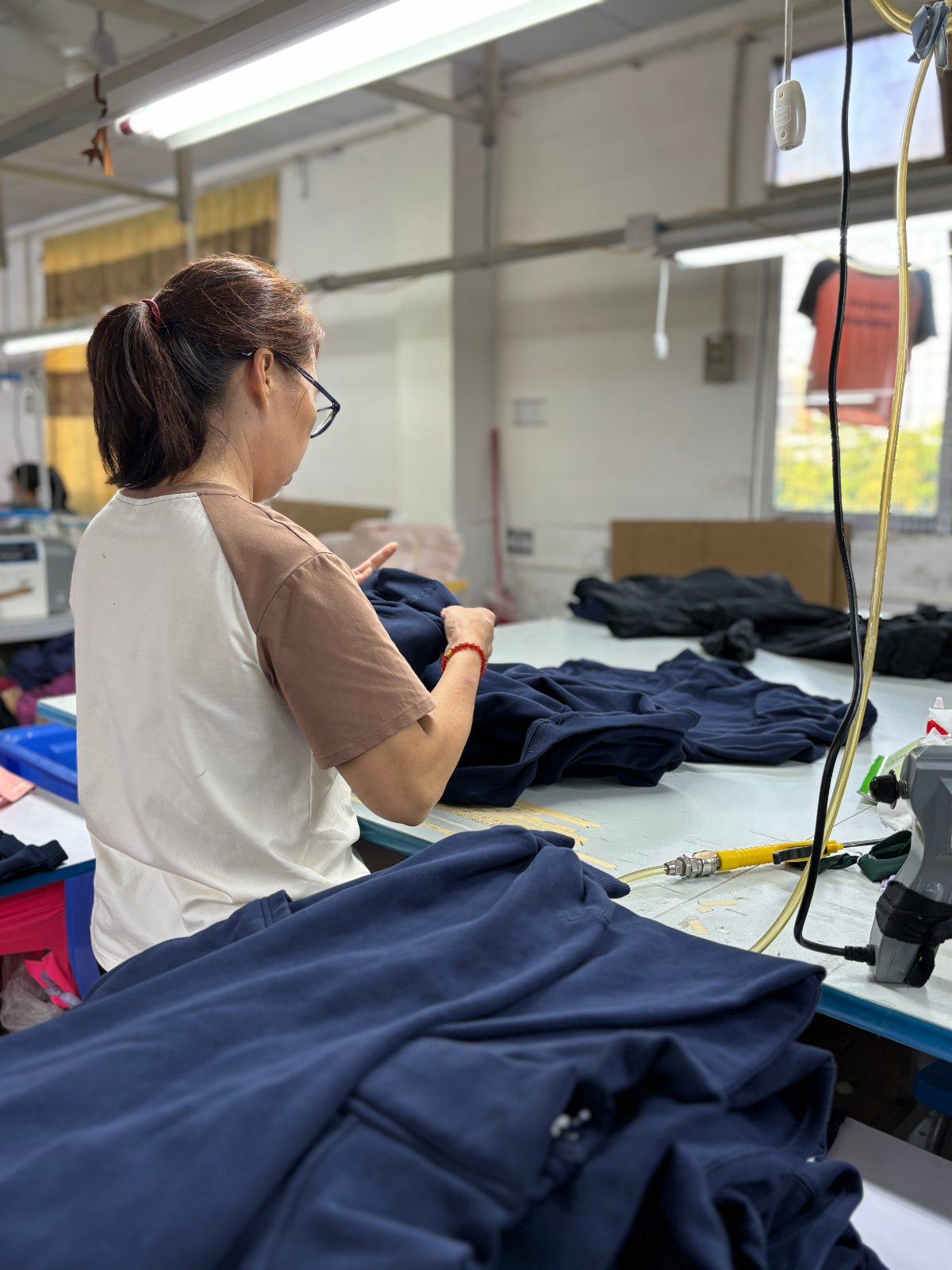
Repercussions of Rolling Leggings
The issue of leggings rolling down during wear can significantly impact both customer satisfaction and business operations. When customers invest in apparel, they expect it to function seamlessly throughout their activities, whether they are in a yoga class or casually out and about. Leggings succumbing to gravity irritate wearers, leading to a frustrating experience that gets shared with others, amplifying dissatisfaction. This, in turn, results in elevated return rates as consumers look to offload products they find unsatisfactory.
The financial repercussions of rolling leggings extend to retailers and manufacturers as increased returns directly impact revenue. Processing these returns involves logistical costs that can erode profit margins – handling, restocking, and refunding expenses add up quickly. Moreover, a pattern of returns, especially from multiple customers citing the same issue, pressures companies to reassess and address design or material flaws, injecting additional costs into R&D to solve the problem.
Rolling leggings can also hurt a brand's reputation, affecting customer loyalty. Modern consumers share their experiences widely through online reviews and social media, where negative comments can spread rapidly. Potential buyers often rely on peer reviews to make purchasing decisions; thus, consistent mentions of rolling issues can damage trust and deter new customers.
The long-term impact of failing to address the leggings' rolling issue can be profound. Persistent negative feedback and perceived unreliability weaken a brand's market position. In a saturated market such as athleisure, where differentiation is challenging, even a minor flaw can have significant consequences. Brands unable to adapt risk losing market share and experience diminishing sales as consumers opt for alternatives that better meet their needs.
To maintain customer loyalty and preserve market position, brands must actively monitor product performance, engage with feedback, and iterate on designs swiftly. Addressing such issues proactively not only resolves customer complaints but also reinforces the brand's commitment to quality, fostering a loyal customer base that trusts the brand to meet their activewear needs reliably.
Steps Taken to Address the Problem
In addressing the problematic issue of leggings rolling down, each step undertaken targeted core contributing factors with precision. Starting with the adjustment of the stretch and tension in waistband fabric, the engineering team made alterations to the density and elasticity of the fibers used. By incrementally modifying the knitting pattern, they enhanced the grip around the waist, ensuring the leggings stayed in place under various movements. This involved recalibrating precise machines for consistent pressure – each setting tuned to achieve optimal stretch retention across all sizes.
Next came the testing of alternative materials to examine their effectiveness in improving elasticity and retention. Fabrics with higher spandex content, such as a blend of nylon and lycra, were explored for their superior rebound and shape maintenance properties. Each material variant underwent stress tests, simulating wear and wash cycles to identify the most resilient options – those retaining at least 90% of their tension after repeated use.
Pattern cutting modifications followed suit. The design engineers adjusted the top block patterns, particularly focusing on the curvature and height of the waistband. These modifications ensured a more anatomical fit, reducing the waistband's tendency to roll by distributing pressure evenly across the abdominal area. Such alterations were done in collaboration with pattern cutters who utilized CAD tools to foresee fit issues before physical fabric was involved, preventing mismatch between the design and the material capabilities.
Wear tests, under real-world conditions, played a crucial role. A group of testers was deployed to wear each modified design during various activities, ranging from yoga to running, to monitor performance in live conditions. Each test aimed to replicate diverse user scenarios.
Crucially, collaboration with retailers provided firsthand insights and quick feedback loops on adjustments made. Retailers identified persisting issues, noted improvements, or suggested further refinements based on direct consumer reviews and buying patterns. This collaboration ensured each alteration aligned closely with market expectations, reinforcing the leggings’ standing in-store displays.
For more on the collaborative approach to custom activewear solutions, explore our detailed guide on Custom Activewear OEM from China: What You Need to Know.
Outcome of the Implemented Solutions
The solutions implemented by Dongguan Uga Fashion Co., Ltd. effectively addressed the issues surrounding leggings rolling down. Customer feedback reflected a significant decrease in complaints, with reports of the rolling issue dropping by approximately 60%. This direct feedback indicated that the product modifications led to a better fit and functionality, which operations confirmed in follow-up evaluations.
Customer satisfaction scores increased markedly, rising over 25% from initial dissatisfaction levels, as captured through post-purchase surveys. This boost in satisfaction was not only about resolving the immediate issue but also enhanced the overall shopping experience. Customers began appreciating the brand's proactive stance in addressing quality concerns, which was evident in their higher satisfaction ratings and further demonstrated in the loyalty metrics.
An important commercial result of these improvements was the reduction in return rates by an estimated 45%. Lower return rates have a direct financial implication, significantly cutting down the costs associated with reverse logistics and unsold inventory. Positive reviews climbed sharply, often emphasizing comfort and fit, which are crucial buying factors for leggings. Additionally, these reviews reinforced brand reputation, shifting customer perception toward reliability and quality.
The solution implementation proved to be cost-effective, providing a clear return on investment. While the initial costs involved in redesigning waistbands and altering material use were present, the savings realized through decreased returns and higher customer satisfaction more than compensated for them. The implemented changes have been designed to be integrated into the ongoing production processes, meaning improvements can be sustained without additional recurrent costs.
UGA FASHION saw these results translate into a more robust design process. The team not only resolved the rolling issue but also enhanced its ability to innovate, ensuring future lines of Numbers Behind Choosing the Right Yoga Pants align with consumer demands. The rigorous testing and feedback loops established have become a benchmark for evaluating new designs across their activewear lines, leading to sustained quality improvements.
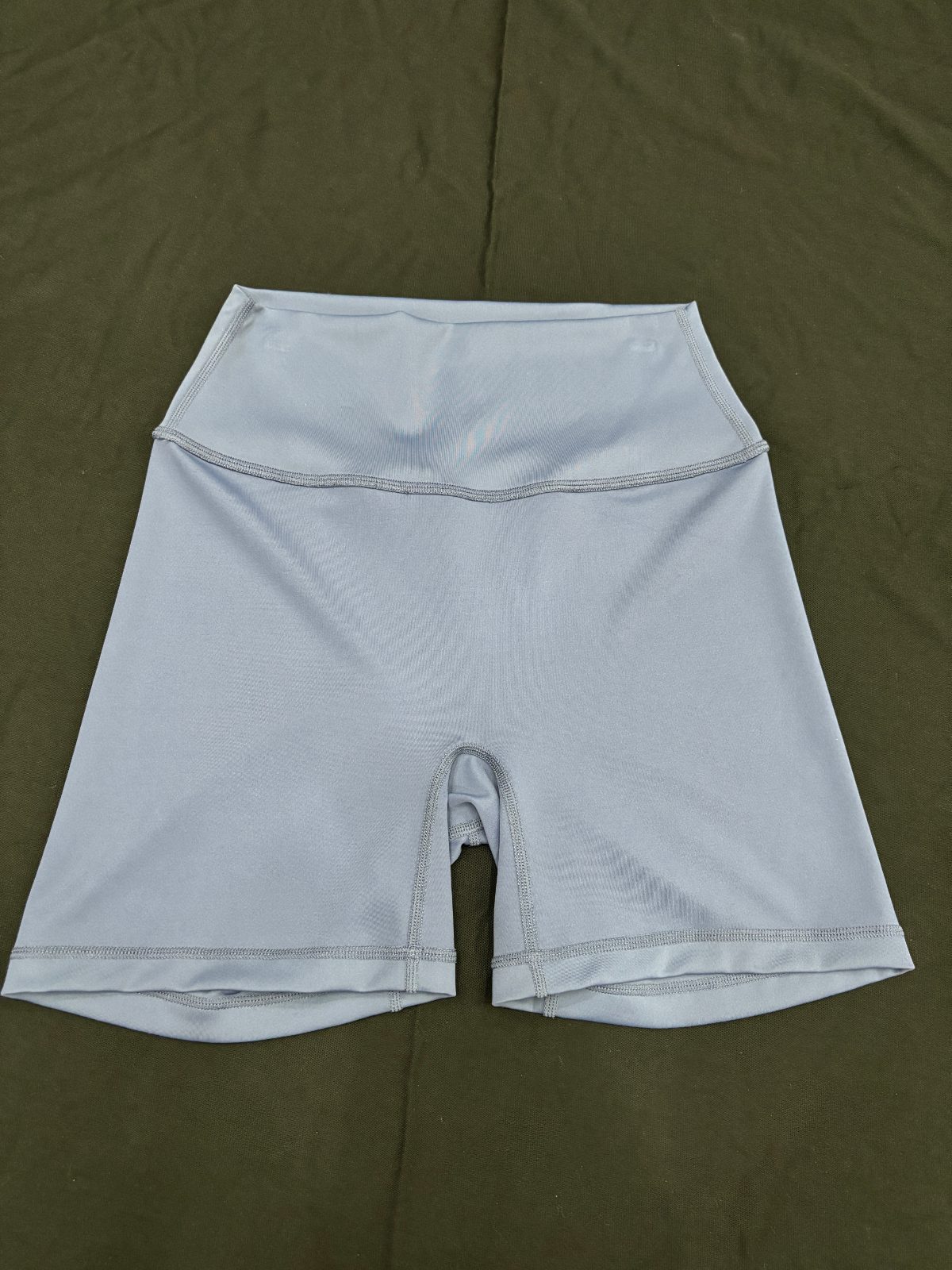
Through a combination of strategic implementation and feedback integration, Dongguan Uga Fashion Co., Ltd. has managed to create a model for problem-solving in activewear manufacturing, focusing on the end goal of enhanced customer experience and product reliability.
Lessons for Buyers Experiencing Similar Issues
Navigating the issue of leggings rolling down begins with selecting the right fabric and design. The fabric's composition significantly impacts waistband functionality. Fabrics with a high spandex content – typically between 15-25% – provide enhanced elasticity, crucial for waistbands to maintain tension without cutting into the skin. Polyester blends, for instance, mix well with spandex to offer durable stretch and recovery, but they can lack breathability. Alternatively, cotton blends offer comfort but may not provide sufficient stretch retention over time. Consideration of fabric properties such as these can be a game-changer in designing leggings that stay comfortably in place.
Regular Customer Feedback: Consistent feedback loops with customers are valuable for identifying issues promptly and guiding product improvement. Engaging with customer reviews can highlight recurring problems and customer preferences, which are useful for refining designs and choosing materials. Moreover, customer insights can help test assumptions about the waistband's performance and overall fit before making design changes.
Material Choices for Waistbands: The understanding of various materials' pros and cons is fundamental. Elastic bands offer substantial hold but may dig into the skin, creating discomfort. Soft, wide waistbands, often favored in yoga activewear, depend on the fabric's structural integrity to stay up without undue pressure. Materials like nylon-spandex blends can provide a smooth feel against the skin while offering the necessary tension to prevent rolling. However, heavier and thicker bands, though effective at staying put, can become uncomfortable in more intense workouts.
Thorough Testing Processes: Implementing rigorous testing processes before a product launch is vital. This includes stretch, wear, and wash tests to ensure longevity and performance of the leggings. Testing should mimic real-world use scenarios, including high-intensity exercises where rolling is most likely to occur.
Supplier Collaboration: Finally, collaborating with trusted suppliers is essential in resolving quality issues. Effective supplier relationships can facilitate quick adjustments and trials of alternative materials and designs, ensuring that solutions are feasible and economically viable. Buyers should look for suppliers who can offer insights into optimal material and design choices, aligning with production capabilities to improve product quality.
Next Steps for Your Leggings Production
To address the problem of leggings rolling down effectively, consider seeking guidance on evaluating material suitability and potential design adjustments from a supplier. Tailored advice can ensure your products align with customer expectations. Whether it's modifying fabric blends or altering waistband constructions, gaining expert insight is a crucial step forward in delivering a satisfying fit that delights your customers.
FAQ on Leggings Quality and Fit
Why do leggings roll down during wear?
Leggings roll down primarily due to poor fit, inadequate elasticity in the waistband, or issues with the fabric's stretch. Understanding and addressing these factors can help in reducing the occurrence of rolling.
How can I improve the design of leggings to prevent rolling?
Improving the design can involve adjusting waistband elasticity, selecting the right fabric, and ensuring a proper fit through accurate pattern making. Collaborating with an experienced manufacturer can also offer insights into enhancing the overall quality.
