
Many buyers believe sports bras are a one-size-fits-all solution, but this is far from the truth. Each sports bra is designed for specific activity levels, body types, and functionalities. Contrary to the common belief, a high price tag doesn’t always guarantee better performance or comfort. Understanding the key differences and features in sports bras is essential for making informed purchasing decisions. This guide aims to bust prevalent myths surrounding sports bras by spotlighting real factors that should influence your buying choices.
The Origin of Misconceptions About Sports Bras
Misconceptions about sports bras frequently arise from flashy marketing slogans that promise one-size-fits-all solutions. These campaigns often oversimplify the complex requirements that come with different sports and body types. While vibrant ads project an image of the ideal support and comfort envisioned by the buyer, the reality often demands more detailed consideration. Not every sports bra can seamlessly transition between low-impact activities like yoga and high-intensity workouts such as running without compromising support or comfort.
Additionally, many consumers lack awareness of the nuanced designs and specific applications of various sports bras. The sportswear industry has evolved to include an impressive array of options tailored to different body types, activity levels, and personal preferences. Despite these developments, the historical perception of sports bras as merely basic undergarments persists. This outdated view fails to encompass the diverse range of features now available, such as adjustable straps, moisture-wicking fabrics, and zoned support.
Histories of marketing and early product designs have instilled a notion of sports bras as 'basic' items, akin to casual innerwear, meant just to restrain rather than support. This perception overlooks the strategic engineering that goes into modern sports bras – from compression and encapsulation techniques to intricate mesh panelling for ventilation. As a result, many buyers still approach sports bras with limited expectations of functionality, not realizing the innovation that has pioneered this segment.
Furthermore, there is a misleading assumption that cost directly correlates with comfort in sports bras. Consumers might gravitate towards higher-priced options, believing them to be synonymous with better comfort and support, only to find this is not always the case. Comfort in sports bras is largely determined by factors such as fit, fabric technology, and design – not merely the price tag attached to them.
For a detailed understanding of how sports bras can truly support different needs, exploring resources that break down their design and efficacy is crucial. The article Experience the Support of Our Sports Bras reveals targeted features and solutions that align with specific performance demands, dispelling these common myths about sports bras and emphasizing the tailored benefits available. Recognizing these misconceptions is the first step towards educating oneself about the real capabilities and best uses of sports bras available today.
The Myth: All Sports Bras Are Universally Suitable
Not all sports bras provide the same level of support or effectiveness across different physical activities and individual needs. The design of a sports bra is a nuanced process that incorporates various fabric types and construction techniques, affecting its support levels. Sports bras range in structure from compression-based models, which flatten the bust, to encapsulation types that separate and support each breast individually. Both styles handle impact differently, influencing the bra's suitability for different sports and activities.
For instance, low-impact activities like yoga or pilates often require less constrictive support, allowing for softer fabrics and lighter designs. High-impact activities such as running or aerobics typically demand robust materials and firmer construction to stabilize movement and prevent discomfort. This is where knowledge of fabric types plays a significant role. Technical fabrics such as polyester and nylon blends are typically used for their moisture-wicking and quick-drying properties, which enhance comfort and performance during intense workouts.
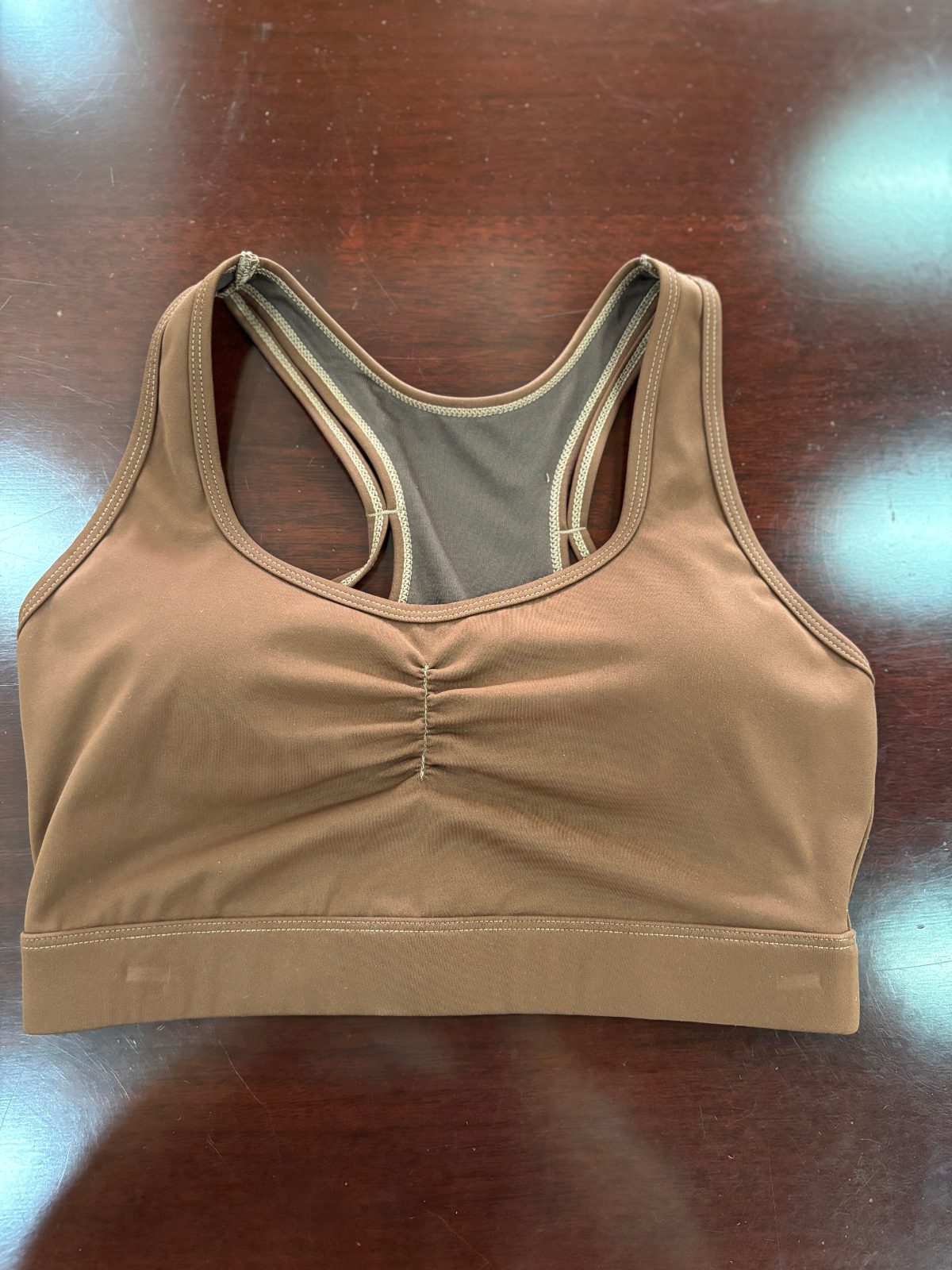
Another important factor is the customization available for different body types. Unlike a one-size-fits-all model, sports bras can be tailored with adjustable straps, underband fits, and various closure styles to accommodate individual preferences and anatomical differences. Buyers may inquire with suppliers about custom sizing and bespoke designs, which can be particularly beneficial for those requiring atypical fits or having specific support needs.
Comparison of Sports Bra Features by Type
| Type | Support Level | Best For | Activity Level | Customization |
|---|---|---|---|---|
| Compression | Low to Medium | Yoga, Pilates | Low | Limited |
| Encapsulation | Medium to High | Running | High | Moderate to High |
| Combination | High | CrossFit | High | Moderate |
| Adjustable Strap | Medium | Gym Workout | Medium | High |
| Custom Fit | Variable | Tailored Needs | Variable | Maximum |
While the myth persists that sports bras are a one-stop solution, the reality is a diverse marketplace offering multifunctional designs tailored to specific activities and personal requirements. Understanding these distinctions ensures that customers select the right sports bra, optimizing their comfort and performance while minimizing risk of injury during exercise.
The Myth: Higher Price Equals Better Quality
The assumption that higher price equates to better quality in sports bras is a prevalent misconception. While it might seem logical to associate cost with quality, the reality is much more nuanced. Price tags do not always reflect the efficiency or durability of a sports bra's fabric. Instead, the composition of the fabric and the technology employed in manufacturing are more significant determinants of quality.
Fabric Composition is Key
The heart of a quality sports bra is in its fabric composition. High-grade sports bras often utilize advanced materials like polyesters or blends with spandex, which offer superior moisture-wicking and stretch capabilities. Such fabrics ensure that the bra fits snugly, retains its shape, and efficiently manages sweat – crucial for maintaining comfort during intense physical activities. However, these materials aren't exclusive to high-priced options.
Brands like UGA FASHION, certified with standards such as GOTS, prioritize fabric choice over price escalation. The type of technology used – for instance, seamless bonding and anti-odor treatments – can significantly impact the performance of a sports bra. It's not uncommon to find medium-priced bras that integrate such advanced features without the hefty cost.
The Role of Track Record
Price does not necessarily guarantee track record, which is crucial when assessing durability. A brand with a history of producing reliable, long-lasting sports bras often develops a trust factor with consumers. It is wise to investigate a manufacturer's reputation over merely eyeing the price tag. For instance, the reputation for using efficient manufacturing techniques can indicate a product's lifespan over inflated pricing.
Features Over Price
When choosing a sports bra, focus on specific features that match your intended use. Features such as adjustable straps, wide bands for better support, and breathable mesh panels can enhance performance more effectively than relying solely on price as an indicator. Features should align with your specific needs, like support for high-impact sports or enhanced breathability for comfort. Thus, focusing on such functionalities rather than price can lead to more satisfying purchases.
In sum, understanding that the price tag of a sports bra does not strictly correlate with its quality can lead to wiser purchasing decisions. Evaluate fabric composition, manufacturing technology, brand reliability, and relevant features for an informed choice that optimizes both performance and comfort.
The Myth: Fabric Choices Are All the Same
Fabrics used in sports bras are far from uniform, each offering distinct characteristics that influence their performance during various physical activities. Many buyers mistakenly assume all sports bra fabrics are identical, not realizing the significant differences in moisture-wicking ability and breathability between cotton blends and synthetic materials.
Cotton-blend fabrics, often perceived as comfortable due to their softness, fall short in moisture management. They are less effective at wicking sweat away from the skin, leading to discomfort during intense workouts. Conversely, synthetic materials like polyester and nylon are specifically engineered to enhance moisture-wicking properties. They quickly pull sweat away from the skin, promoting faster evaporation, which helps keep the wearer dry and comfortable.
Breathability is another critical factor where fabric choice plays a pivotal role. Cotton allows some air circulation but can become heavy when damp. On the other hand, modern synthetic fabrics often incorporate mesh or perforated designs that significantly enhance airflow. This increased air circulation helps regulate temperature during high-intensity activities, making synthetic sports bras a preferred choice for those engaging in rigorous exercise.
The role of fabric quality extends beyond performance to impact both longevity and comfort. High-quality fabrics maintain their structure and elasticity over extended use, reducing the likelihood of sagging or loss of support. This durability is particularly important for buyers seeking to maximize the lifespan of their sports bras.
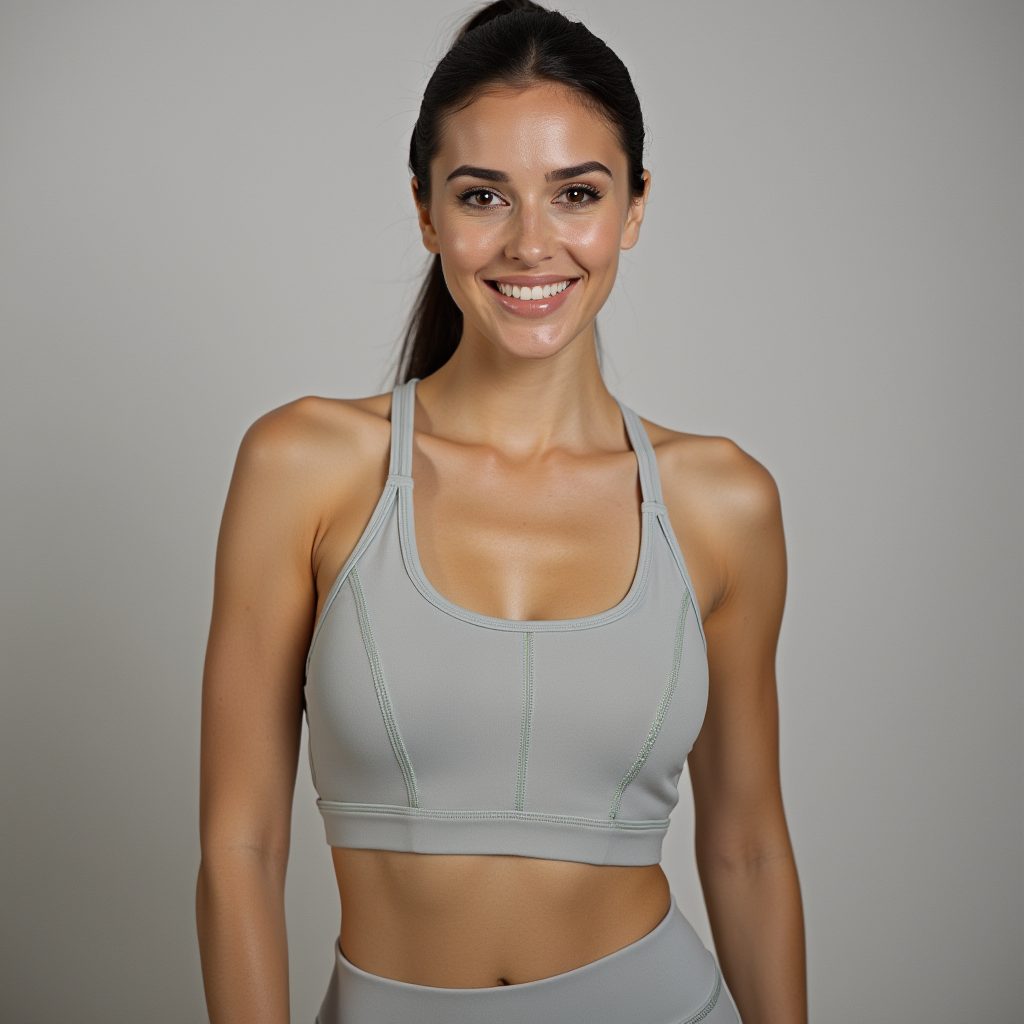
Furthermore, technology-enhanced fabrics are revolutionizing the industry. Options like spandex blends offer exceptional stretch and recovery, catering to both comfort and support. This type of fabric adapts closely to the body's contours, providing a secure fit that maintains its supportive nature over time.
In summary, not all fabric choices are equal when it comes to sports bras. Understanding the specific properties of cotton versus synthetic blends, along with considering fabric quality and innovative fabric technologies, is essential in making an informed purchasing decision.
Verifying the Facts Before Purchase
When it comes to sports bras, making an informed decision goes beyond trusting marketing claims – it's about verifying specifics that impact performance and comfort. One fundamental step is to request comprehensive product specifications and fabric technology details from manufacturers. Understanding the fabric's properties, such as its moisture-wicking capabilities and breathability, can significantly influence your purchasing decision. Technologies like seamless bonding or advanced mesh can enhance comfort and support, especially during high-intensity activities. Consult resources like the Innovative Design Sports Bras to see how different technologies are applied.
Next, it's crucial to check support levels and fit guidelines provided by manufacturers. Not all sports bras are designed to offer the same level of support, and fit varies across brands and models. Look for size charts, adjustable features, and compression details, which are often provided by reliable suppliers. A bra might appear supportive at first glance but reviewing the manufacturer's guidelines can help ensure it meets activity-specific needs, whether it's for low-impact yoga or high-intensity running.
Actually trying different types of sports bras is vital in finding the right fit. Although online research can reveal much, personal physique and fit preferences can still affect comfort and performance. Aim to try on a range that covers different brands and technologies. Pay attention to how the bra fits during movement and whether it maintains support. This firsthand experience is invaluable, as even slight discomfort can affect workout quality.
Lastly, consider third-party reviews for additional insights. Independent reviews from users who have rigorously tested these products offer a perspective that companies might not provide. These reviews often highlight the true performance of fabrics under sweat and stress, giving you a more complete picture of what to expect. Always balance this input with personal trials to form a well-rounded view of the product's effectiveness for your specific needs. A thorough evaluation process ultimately leads to better purchasing decisions, supporting both comfort and enhanced athletic performance.
Conclusion: Making Informed Decisions in Sports Bra Purchases
Understanding the common misconceptions around sports bras can prevent misguided purchasing decisions. By prioritizing verified facts over assumptions, buyers can make more reliable selections. Identifying personal needs and aligning these with specific product features ensures that the chosen sports bra meets the user's unique requirements. Ultimately, making informed decisions enhances user satisfaction and performance, delivering a better experience in both everyday wear and athletic activities.
Frequently Asked Questions About Sports Bras
What should I consider when choosing a sports bra?
Focus on the support level, fabric type, fit, and intended activity. Each factor plays a vital role in ensuring comfort and functionality.
Do sports bras need special care to maintain their performance?
Yes, proper care helps retain their elasticity and support. Follow washing instructions on the label, often including gentle washing and air drying.
