
People no longer see the need for eco-friendly clothing as a niche fad. It is a big change in the fashion world around the world. It’s important for clothing brands, retailers, and sourcing specialists to know how to print eco-friendly sports t-shirts. It meets what customers want, fits with your company’s aims for social responsibility, and protects your product line for the future.
This instruction tells you how to print in a way that is good for the environment. It talks about the primary technology, materials, and benefits. This information will help you make good decisions for your brand. You may make clothes that are high-quality, long-lasting, and that your clients will appreciate.

Eco-Friendly Printing Technologies
The way the printing is done is the most important part of the process. It decides how much it costs, how good the print is, and how it affects the environment.
Water-Based Printing
This method uses water as the primary carrier for pigments.
- How It Works: Pigments are suspended in a water-based solution. They bond with the fabric fibers during curing. The print feels very soft, like part of the activewear shirt.
- Environmental Benefits: No harmful plastics (like PVC). Low levels of volatile organic compounds (VOCs). Uses less energy to cure than some other methods.
- Best For: Soft-hand prints, detailed designs on light-colored garments. Ideal for brands prioritizing a premium, natural feel.
Plastisol Printing (with Additives)
Traditional plastisol is a PVC-based plastic ink. New eco-friendly versions are available.
- How It Works: Standard plastisol sits on top of the fabric. “Soft” or “low-phthalate” plastisols use alternative plasticizers. They aim to reduce harmful chemicals.
- Environmental Benefits: Reduced chemical risk compared to conventional plastisol. Often performs similarly in production.
- Best For: Brands needing the opacity and color vibrancy of plastisol on dark garments but seeking a greener option. It is a transitional technology.
Discharge Printing
This method removes the dye from the garment and replaces it with color.
- How It Works: A water-based paste “discharges” (removes) the original garment dye. It replaces it with a new color. The result is a very soft print.
- Environmental Benefits: Uses water-based chemistry. Creates extremely soft prints that save fabric feel.
- Best For: Printing light colors on dark, 100% cotton garments. It produces a vintage, faded look that is popular.
Digital Direct-to-Garment (DTG) Printing
This is like a specialized inkjet printer for fabrics.
- How It Works: Printer jets water-based inks directly onto the shirt. It requires pre-treatment for dark garments to make colors bright.
- Environmental Benefits: Water-based inks. Almost no waste (no screens to clean). Perfect for small batches, reducing overproduction.
- Best For: Complex, full-color designs. Small production runs and on-demand printing. It offers great flexibility.
Screen Printing with Green Practices
Traditional screen printing can be made more sustainable through process changes.
- How It Works: The core process is the same. The improvements are in the details: using water-based inks, recycling screens and water, and using renewable energy in the facility.
- Environmental Benefits: Reduces waste and water use. Lowers the carbon footprint of production.
- Best For: Medium to large orders where a printer is committed to sustainable operations. It combines scale with responsibility.
Sustainable Ink Types
The ink is a major factor in the environmental equation.
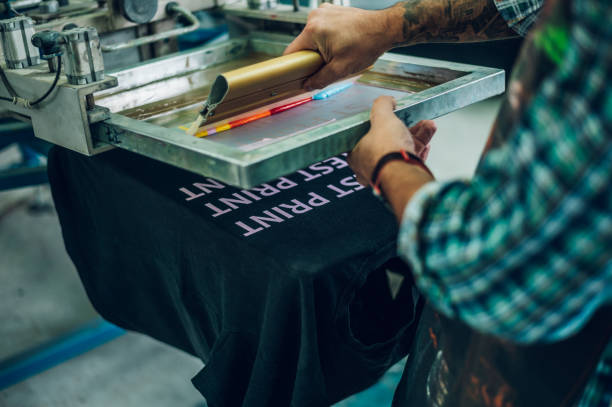
Water-Based Inks
These inks penetrate the fabric for a soft feel.
- Characteristics: Made with water, pigments, and binders. They are free of PVC and phthalates.
- Best Use Case: High-quality prints on light and colored garments where a soft hand is desired.
PVC-Free Plastisol Inks
A reformulated version of the classic ink.
- Characteristics: Removes polyvinyl chloride (PVC) and often phthalates. Uses alternative plasticizers.
- Best Use Case: For designs needing high opacity on dark fabrics, where standard plastisol was the only previous option.
Algae-Based or Other Bio-Inks
The next generation of innovative inks.
- Characteristics: Made from renewable resources like algae biomass. They reduce dependence on petroleum-based pigments.
- Best Use Case: Forward-thinking brands wanting to pioneer cutting-edge sustainable materials and tell a unique story.
Types of Eco-friendly Fabric
An eco-friendly print on a conventional sports shirt is only half the story. The garment itself matters.
Organic Cotton
Grown without synthetic pesticides or genetically modified seeds.
- Benefits: Better for soil health, farmer safety, and biodiversity. It uses less water than conventional cotton over time.
- Considerations: The gold standard for natural fiber sustainability. Look for GOTS (Global Organic Textile Standard) certification.
Recycled Polyester (rPET)
Made from post-consumer plastic waste like bottles.
- Benefits: Diverts plastic from landfills and oceans. Uses less energy and water to produce than virgin polyester.
- Considerations: Perfect for performance wear. It closes the loop on plastic waste.
Recycled Cotton
Made from pre-consumer or post-consumer cotton textile waste.
- Benefits: Reduces textile waste dramatically. Requires no new cotton farming, saving water and land.
- Considerations: Often blended with other fibers for strength. It is a key part of a circular economy.
Hemp & Bamboo (Lyocell)
Fast-growing, low-resource natural fibers.
- Hemp: Requires very little water and no pesticides. Produces a durable, naturally antimicrobial fabric.
- Bamboo Lyocell: Made from bamboo pulp in a closed-loop chemical process that recycles solvents. It is very soft and sustainable when processed correctly.
Why Sustainable Sports T-Shirt Matters: The Business Value
For the End Consumer
Today’s shoppers are informed. They want products that match their values. They look for certifications, ask about materials, and avoid brands with poor environmental practices. Offering verified, sustainable options builds deep trust and loyalty. It turns a simple purchase into a values-aligned decision.
For You, The Business Buyer
Sustainability is a smart business strategy.
- Market Differentiation: In a crowded market, a genuine sustainability story makes your brand stand out.
- Risk Management: Proactively meeting increasing environmental regulations avoids future disruption.
- Supply Chain Resilience: Working with eco-conscious factories often means better management and more transparent partners.
- Long-Term Cost Control: While some sustainable materials have a higher upfront cost, they protect against the future costs of water scarcity, regulation, and consumer backlash.
- Brand Equity: A commitment to sustainability builds a positive brand image that attracts customers, investors, and talent.
How to Choose the Right Sustainable Printing for Your Brand
Navigating these options requires a clear strategy.
- Define Your “Why”: Is your goal to reduce water use, eliminate plastics, or support organic farming? Your core goal will guide your choices in ink and fabric.
- Know Your Audience: Are they hardcore activists who demand GOTS-certified organic cotton? Or are they mainstream consumers appreciating a step like recycled polyester? Match your efforts to their expectations.
- Start with One Change: You do not need to change everything at once. Start by switching to water-based inks for a best-selling tee. Or launch one new product line on 100% recycled materials.
- Prioritize Transparency and Certification: Claims like “green” or “eco” are not enough. Look for specific certifications from your printer and fabric mill. Key certifications include GOTS (organic textiles), GRS (recycled content), and OEKO-TEX® (safe chemicals).
- Ask Your Printer Specific Questions: Do you use water-based or PVC-free inks? What do you do with screen-cleaning wastewater? Can you provide documentation for the recycled content in your blanks? Partner with printers who can provide clear answers.
Uga – A Sustainable Sports Wear Manufacturer
Producing truly eco-friendly apparel requires a partner who shares your commitment at every step. Look for a manufacturer that integrates sustainability into their core operations.
The ideal partner should offer:
- Material Expertise: Access to a wide range of certified sustainable fabrics (organic cotton, rPET, etc.) and the knowledge to recommend the best one for your product.
- Technical Printing Proficiency: Mastery of water-based, discharge, and DTG printing to provide the most sustainable print for your design needs.
- Ethical Production Certifications: Hold relevant certifications themselves, ensuring their entire process—from waste management to worker welfare—meets high standards.
- Transparent Communication: They should be able to clearly trace materials and explain their processes, providing you with the story for your marketing.
Conduct thorough research to find a manufacturer whose capabilities and values align with your brand’s sustainability goals. Visit Uga now.
Conclusion
Eco-friendly t-shirt printing is a journey of continuous improvement. It involves choosing better inks, sourcing responsible fabrics, and working with ethical producers. For business leaders, this is not just an expense. It is an investment in your brand’s relevance, resilience, and reputation.
By using the information in this guide, you can begin to make meaningful changes. You can build a product line that looks good, feels good, and does good. The future of fashion is sustainable. Start your brand’s journey today.
Ready to explore sustainable printing for your brand? Begin by auditing your current products and contacting suppliers to discuss their eco-friendly options.
