
Selecting the optimum moisture wicking fabric is crucial to the performance of any technical gym clothes or sporting apparel. For brands, designers, and ODM sportswear partners, this option transcends trend—it’s a technical decision that directly effects comfort and function.
Excellent textiles effectively transfer perspiration from the skin to the exterior for quick evaporation. This crucial mechanism keeps athletes dry, regulates temperature, and prevents chafing. This guide offers a clear foundation for choosing the best fabric for your sportswear line by analyzing the best-performing materials and their scientific mechanisms.
The Operation of Moisture Wicking Technology in Sportswear
Understanding the core science is key for intelligent material sourcing. Wicking is a physical process caused by capillary action, in which molecular forces cause liquid to flow through microscopic openings. Sweat is pulled from the skin into the tiny spaces between fibers and threads in athletic apparel. Performance rests on two factors: the material’s natural hydrophilic (water-attracting) characteristics and its designed architecture.
While synthetic fibers like polyester are naturally hydrophobic, they are treated with micro-channels or permanent coatings to attract moisture. The fabric’s knit or weave structure then generates the routes that transport sweat across the garment, a vital characteristic in any high-quality gym apparel.
Top Engineered Fabrics for Sweat Management
Advanced Polyester Blends
Polyester is the cornerstone of modern sportswear due to its unequaled adaptability and engineering possibilities.
Wicking Mechanism
Standard polyester repels water. Performance-grade polyester is developed with microscopic grooves along each fiber or treated with durable hydrophilic finishes. These adjustments generate specific pathways that swiftly transfer moisture.
Key Advantages
Exceptional durability, very quick drying, lightweight, and resistant to shrinkage. Holds dyes vividly and can be coupled with odor-control or cooling technology.
Ideal Use in Workout wear
The go-to fabric for high-intensity sports wear like running tops, compression gear, and training shorts. Its reliability makes it a standard for ODM sportswear production across categories.
Technical Nylon (Polyamide)
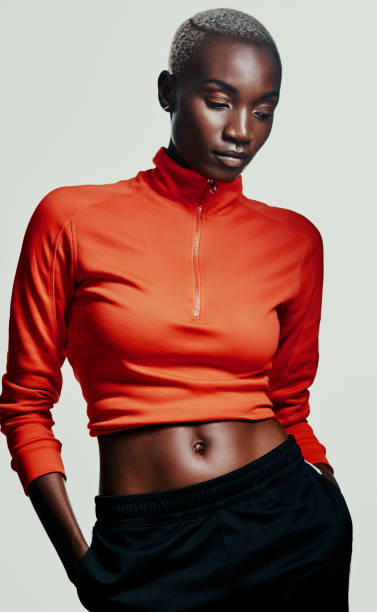
Often used in blends, nylon offers a premium balance of softness and strength for improved sporting clothing.
Wicking Mechanism
To improve surface area and moisture transfer, performance nylon, like polyester, is chemically treated or engineered with particular fiber cross-sections (such as trilobal morphologies).
Key Advantages
Provides a substantially softer, smoother hand-feel than polyester. It has great abrasion resistance and excellent color vibrancy, making it suitable for fashion-forward exercise gear that requires durability.
Ideal Use in Exercise Apparel
High-end leggings, yoga attire, and swimwear where an opulent appearance and tough functionality are crucial.
Natural Performance Merino Wool
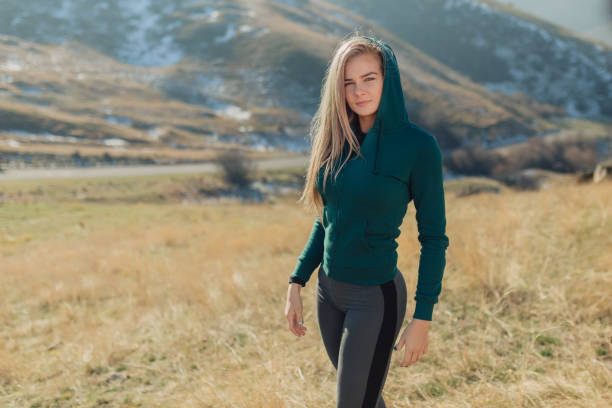
This natural fiber delivers remarkable, intrinsic performance across a wide temperature range, appealing to a growing portion of the sporting market.
Wicking Mechanism
Merino fibers have a special structure consisting of a hydrophobic outer layer and a hydrophilic center that absorbs moisture vapor rather than liquid perspiration. This allows it to control humidity without feeling damp.
Key Advantages
Naturally temperature-regulating, highly odor-resistant due to antibacterial characteristics, and gives warmth even when damp. It’s a terrific choice for adaptable sports clothing.
Ideal Use in Workout Clothing
Base layers for hiking, skiing, trail running, and any sports equipment built for varied or cool circumstances where multi-day wear is an advantage.
Specialized Polypropylene
A unique yet highly effective material for specific gym wear uses where keeping the skin dry is the top goal. Specialized polypropylene is a good choice.
Wicking Mechanism
It is hydrophobic and oleophilic. The skin feels remarkably dry because it passively transfers liquid perspiration straight to an outer layer of fabric rather than absorbing water.
Key Advantages
One of its main benefits is that it feels the dry against the skin. Extremely lightweight.
Considerations for ODM Sportswear
Specialized polypropylene can retain odors and has reduced heat tolerance, necessitating specific care recommendations. Best used in targeted base layer clothing.
Engineered Fabric Blends
Blending fibers helps sportswear developers to maximize performance by integrating the best qualities of several materials.
Common High-Performance Blends
- Polyester-Spandex: The industry standard. Polyester regulates moisture and offers structure, while spandex (usually 5-20%) delivers necessary stretch and form recovery.
- Nylon-Spandex: Creates a softer, more durable fabric with good moisture control, suitable for high-end workout gear.
- Polyester-Merino Wool: Combines polyester’s toughness and quicker drying time with wool’s inherent ability to regulate temperature and prevent odors.
Key Advantages
Blends allow ODM sportswear manufacturers to precisely adjust cost, feel, stretch, and drying speed for a given product line.
Choosing the Right Fabric: A Sourcing Guide for Brands
Selecting the best material includes aligning fabric qualities with the garment’s intended function and market position.
Define the Activity Intensity: Is it for sweat-heavy, high-impact workout (prioritize advanced polyester)? For adaptable, all-day athletic apparel (think merino blends)? For activities that prioritize comfort (quality nylon-spandex)?
Determine the Function of the Garment: Is it a base layer that comes into direct touch with the skin, requiring a superior dry feel? A performance mid-layer (needed to limit moisture transfer)? an outer layer (wicking must be balanced with other defenses)?
Balance Performance Metrics: Weigh moisture management against needs for durability (nylon/polyester), stretch (required spandex), softness (nylon, wool), odor control, and cost-effectiveness for manufacture.
Always obtain fabric swatches and create complete prototypes in order to conduct rigorous testing and prototyping. Conduct real-world wear tests and several wash cycles to ensure the permanence of wicking characteristics and overall garment integrity—a non-negotiable step before committing to bulk ODM sportswear production.
Conclusion
For manufacturers designing workout apparel, gym clothing, or technical sports clothing, the “best” moisture-wicking fabric is the one that delivers on the specific promise of the garment. Success hinges in a comprehensive understanding of material science—from engineered synthetics to smart natural fibers—and how fabric structure magnifies their effects. By making intelligent, technical choices at the sourcing stage, you develop sports wear that really boosts performance. This core expertise not only improves the end-user experience but also identifies your brand and your ODM sportswear relationships as trusted authorities in the competitive world of performance wear. You can work with a reliable manufacturer, Uga, to bring your sportswear product into reality.
