
To select the perfect yoga pants, consider a few crucial numbers: stretch percentage, fabric weight, and size chart accuracy. The stretch percentage impacts flexibility – look for 15-25% for optimal movement. Fabric weight, typically between 180-250 GSM, balances durability and comfort. Accurate size charts ensure the best fit, minimizing returns and boosting customer satisfaction. Paying attention to these numbers not only enhances performance but also streamlines your buying decision, making the process easier and more predictable. Understanding these metrics can significantly improve your purchasing decisions, whether you're a brand buyer or retailer.
The Handful of Numbers That Decide Your Choice
When choosing yoga pants, it's the numbers that truly matter. The stretch percentage, for instance, plays a vital role in determining the flexibility of the pants. Ideally, a stretch percentage between 15-25% offers optimal flexibility, allowing you to move seamlessly through various yoga poses. This balance not only ensures comfort during yoga sessions but also extends the garment's life by preventing over-stretching. Too little stretch can restrict movement, while too much can lead to sagging over time.
Fabric weight is another critical metric when assessing yoga pants. Measured in GSM (grams per square meter), the right fabric weight directly affects both the durability and comfort of the pants. Typically, a fabric weight of 180-250 GSM provides a reliable balance. Lighter fabrics can enhance breathability and comfort, making them ideal for hot yoga classes. However, heavier weights offer robustness, maintaining shape and structure even with intense use.
Waistband thickness cannot be overlooked. A thicker waistband provides better support and stability, crucial when performing advanced yoga poses. This feature helps the pants stay in place, avoiding unwanted adjustments during sessions. A regular thickness can be around 2.5 cm to 5 cm; however, personal preference and style should guide your choice if you require more tailored support.
Moisture-wicking properties are essential for performance-focused buyers. Fabrics with good moisture-wicking capabilities draw sweat away from the skin, keeping you dry and comfortable even in the most demanding workouts. These properties are crucial in preventing chafing and irritation, extending your comfort during intense exercises. To explore options with superior moisture-wicking features, you can check out Moisture-Wicking Yoga Pants.
Lastly, stitching precision significantly impacts the overall quality of yoga pants. Precise stitching not only adds to the aesthetic appeal but also contributes to the durability of the garment. Poorly executed seams can lead to premature wear and tear, ultimately affecting the longevity of the pants. High-quality stitching ensures that seams remain intact under stress, maintaining the integrity of the pants over time.
Choosing the right yoga pants involves more than just style and color choices. These key numbers – stretch percentage, fabric weight, waistband thickness, moisture-wicking ability, and stitching precision – form the foundation of a durable, comfortable, and flexible product. Prioritizing these figures in your selection process will ensure that you not only invest in yoga pants that meet your activity requirements but also enjoy a lasting experience through many sessions.
Number by Number: Key Metrics Explained
When selecting the ideal yoga pants, understanding technical specifications like stretch percentage, fabric weight, size chart interpretation, seam strength, and thread count is crucial.
Stretch Percentage
Stretch percentage defines how much a fabric can extend, typically quantified as a percentage of its original length. The desired range for yoga pants is between 15% to 25%, which provides optimal flexibility for a variety of movements. This metric is vital because it affects how well the pants conform to the body's contours, enhancing comfort and allowing a full range of motion.
Fabric Weight
Fabric weight is typically measured in grams per square meter (GSM), with yoga pants generally ranging from 180 to 250 GSM. Higher GSM indicates denser fabric, which is often more durable but less breathable. Conversely, a lower GSM allows for more breathability but might compromise durability. The weight impacts both the warmth and the feel of the fabric; heavier fabrics lend themselves well to cooler climates whereas lighter ones are suitable for hot yoga sessions.
Size Chart Interpretation
Interpreting size charts accurately is essential to ensure a proper fit. Yoga pants often use dual sizing systems (e.g., UK and US), and measurements – such as waist, hips, and inseam – are typically in inches or centimeters. An accurate size chart correlates your body measurements to the available pant sizes, mitigating the risk of incorrect orders. Buyers should cross-reference these dimensions with consumer feedback for a realistic fit assessment.
Seam Strength
Seam strength prevents tearing, particularly important under high-stress movements common in yoga practice. It is directly related to the type of stitch and the tension applied during the sewing process. Strong seams use reinforced stitching techniques like flat-lock stitching, which distributes stress evenly and reduces seam bulkiness. Weak seams can lead to uncomfortable chafing and potential garment failure during a session.
Thread Count
Thread count applies primarily to woven fabrics and indicates the number of threads per square inch. While less crucial in stretchy knit fabrics typically used in yoga pants, a higher thread count in the waistband or reinforced areas can contribute to fabric longevity. This is because more threads can mean a tighter weave that is less prone to wear and tear over time.
Essential Yoga Pants Specifications
| Property | Typical Value | Why It Matters |
|---|---|---|
| Stretch Percentage | 15–25% | Ensures flexibility and conforms to body shape. |
| Fabric Weight | 180–250 GSM | Balances comfort, breathability, and durability. |
| Size Chart Units | Inches (US) / Centimeters (UK/EU) | Accurate sizing reduces return rates. |
| Seam Strength | Reinforced stitching | Prevents tearing and enhances garment life. |
| Thread Count | Depends on design area | Contributes to longevity in specialized areas. |
Each of these metrics plays a role in determining the performance and longevity of yoga pants, ultimately affecting buyer satisfaction and repeat purchasing.
The Number Buyers Forget to Ask For
Among the myriad of technical details often considered when selecting yoga pants, there are some numbers that buyers frequently overlook despite their significance: elasticity recovery, breathability, colorfastness, shrinkage, and waistband height.
Elasticity Recovery After Stretch
Elasticity isn't just about having a bit of give in your yoga pants; it's about recovery – how quickly and effectively the fabric returns to its original shape after being stretched. This recovery is crucial because it impacts the long-term fit and appearance of the pants. Measured typically as a percentage, good elasticity recovery indicates that pants won’t bag at the knees or waist after a workout. Buyers should look for materials like spandex or elastane blends, which are known for their resilience in maintaining shape. A recovery rate above 90% is generally considered efficient.
Measuring Breathability for Active Use
Breathability is another factor often underappreciated. It refers to how well the fabric allows moisture vapor to escape, keeping you cooler and preventing that clammy feeling during intense workouts. This can be quantified through breathability tests, which measure the fabric's permeability using standards like ASTM E96. For yoga pants, a high breathability rating is essential to maintain comfort during prolonged activities.
Assessing Colorfastness to Prevent Fading
Colorfastness, or a fabric's resistance to color fading, is crucial for maintaining the vibrant, appealing look of yoga pants wash after wash. Many buyers neglect to inquire about this, only to find their once-vivid pants looking drab. Testing for colorfastness involves exposure to simulated sunlight or repeated wash cycles, with results often expressed as a grade from 1 to 5 (5 being excellent). Opt for fabrics tested to at least a grade 4 for reliable performance.
Understanding Shrinkage After Washing
A significant issue becomes shrinkage, where post-wash size alterations can ruin a garment's fit. To prevent unpleasant surprises, understanding typical shrinkage percentages is vital. Quality manufacturers will provide shrinkage figures, usually under 3%, which indicates minimal size change across washes. Techniques like pre-shrinking treatments in the manufacturing process can help mitigate unwanted wear-and-tear effects.
Why Waistband Height Can Affect Comfort
Lastly, the often-overlooked element of waistband height plays a significant role in comfort and functionality. A waistband's position impacts how well the pants stay up during movements. Mid-rise or high-rise waistbands generally offer better support and coverage, preventing the discomfort or accidental exposure during bends and stretches.
An informed buyer checks these specifics to ensure their yoga pants deliver both in aesthetics and performance.
These numbers often go unnoticed but combining them with more obvious metrics ensures you’re investing in yoga pants that truly meet all your expectations.
How to Read a Supplier's Data Sheet on Yoga Pants
Navigating a supplier's data sheet for yoga pants might initially seem daunting, but it becomes more manageable by pinpointing the key figures and familiarizing yourself with industry-standard terminology. Key figures on a spec sheet typically include fabric composition, weight, stretch, and finishing processes – all crucial in determining the performance and quality of yoga pants.
Fabric Composition and Features
Start by examining the fabric composition, often denoted in percentages. Common materials include polyester, spandex, and cotton blends, each chosen for different qualities. For instance, a blend of 80% polyester and 20% spandex provides significant stretch and resilience, ideal for yoga pants that need to maintain their shape and elasticity through frequent use. Confirm this against product descriptions or past experiences to ensure the materials align with the intended use.
Another important feature is fabric weight, typically measured in grams per square meter (GSM). Lighter fabrics, around 180-200 GSM, offer breathability, making them suitable for heated environments, while heavier fabrics, up to 250 GSM, are durable and provide warmth.
Recognizing Industry Standard Terminology
Understanding industry-standard terminology on data sheets is crucial. Terms like "moisture-wicking" indicate the fabric’s ability to draw moisture away from the body, enhancing comfort during intense workouts. "Colorfastness" measures the resistance of the fabric dyes to fading, a key consideration if the pants will be laundered frequently.
Fit Details and Numerical Data
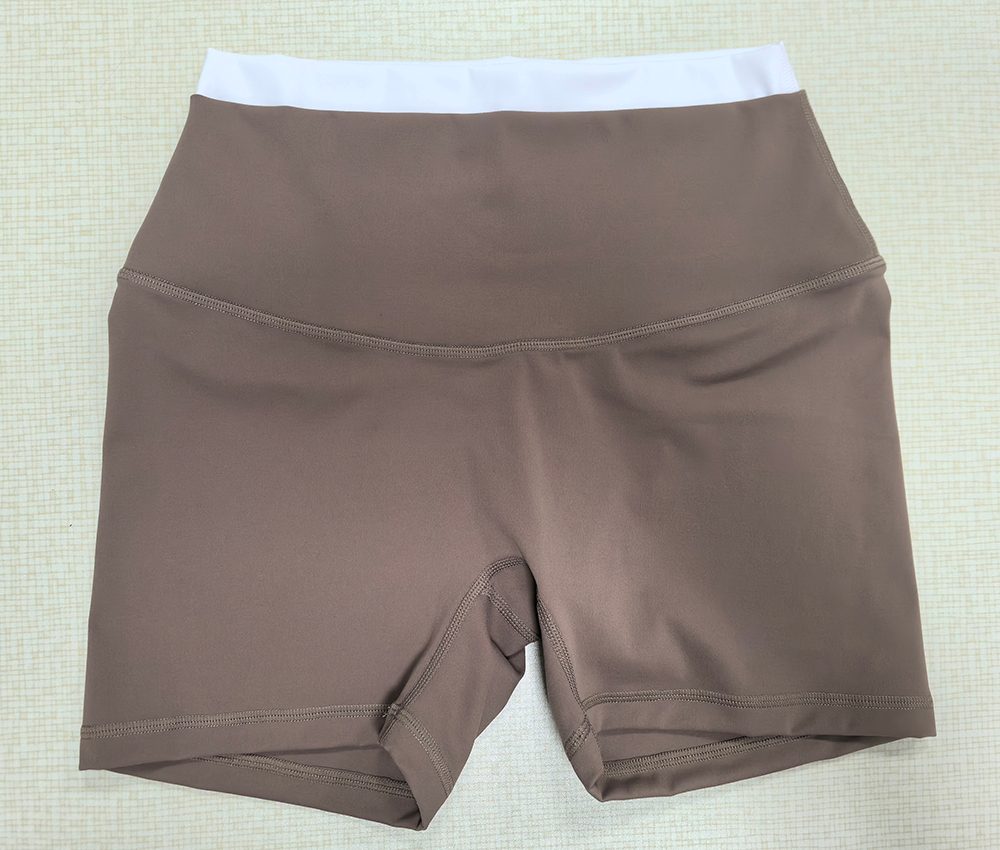
Assessing fit from numerical data involves looking at waist measurements, inseam length, and potentially the garment's cut described in terms like "slim" or "relaxed fit." Cross-referencing these with your size requirements or customer feedback can ensure the final product aligns with consumer expectations.
Certifications Verification: GOTS and BSCI
Finally, verify certifications such as GOTS (Global Organic Textile Standard) and BSCI (Business Social Compliance Initiative) on the data sheet. These indicate the manufacturer’s compliance with verified environmental and social responsibility standards. Recognizing such certifications assures that the product’s production involved ethical labor practices and sustainable materials, potentially enhancing your brand's reputation.
For more intricate details, such as stitching quality and inspection metrics crucial to assessing yoga pants, consider a holistic approach on how to interpret these spec sheets. You can refer to resources like Reading a Yoga Sets inspection report: the numbers that matter that provide insights into identifying preferred specifications and avoiding common pitfalls.
By focusing on these elements, buyers can effectively read and evaluate a supplier's data sheet, ensuring that the yoga pants they choose to meet both performance expectations and ethical standards. Assessing each numerical figure with a clear understanding helps mitigate the risks involved in the procurement process and confirms that the garments align with both functional and brand values.
Choosing the Right Yoga Pants: What Works for You
Selecting yoga pants that balance style and function can significantly affect your brand's success. Consider durability through long-term fabric analysis, emphasizing materials with a proven track record in sustained wear. Opt for eco-friendly options that resonate with environmentally conscious consumers, aligning your brand with sustainability. Tailor fabric properties to the wearer's activity levels, ensuring functionality without compromising comfort. Customization offers a unique edge, providing exclusive designs that meet specific brand visions. Finally, prioritize verifying sizes against consumer feedback; a reliable fit boosts consumer satisfaction significantly. Collaborate closely with suppliers by sharing detailed samples, drawings, or specifications to receive valuable input for enhancing your product offerings.
FAQ: Choosing the Right Yoga Pants
What fabric blend is best for yoga pants?
Nylon and spandex is a common blend for yoga pants across the industry. Nylon provides durability, while spandex offers stretch for flexibility. This combination ensures a balance between comfort, fit, and performance, making it suitable for a range of activities.
How important is GSM in yoga pants?
GSM, or grams per square meter, measures fabric weight. It's crucial for assessing durability and comfort. Yoga pants with a GSM between 180-250 offer a good balance – light enough for flexibility, yet durable enough to withstand regular use and washing.
