
“What numbers should I focus on in a Yoga Sets inspection report?” This is a question that frequently plagues OEM buyers and designers alike. In the activewear industry, quality assurance is paramount, and inspection reports are your roadmap to success. When you sift through the data, prioritize metrics like fabric durability, seam strength, and color fastness. These key figures determine the wearability and longevity of a yoga set. Let’s walk through the critical numbers that make a difference in the quality control process. Understanding these can mean the difference between a product that delights customers and one that disappoints. Your brand’s reputation depends on these details.
What are the crucial numbers in a Yoga Sets inspection report?
In any Yoga Sets inspection report, three primary quality metrics surface as crucial for assessing product durability: tension strength, fabric weight, and seam checks. Each serves a distinct role in ensuring that the apparel meets expected standards of resilience and comfort, impacting both brand reputation and user experience.
Tension strength measures how well a fabric can withstand being stretched without tearing. Typically expressed in newtons or pounds-force, it provides a quantitative look into garment durability. A better tension strength implies that the yoga set will endure rigorous stretching exercises without losing its shape, maintaining its longevity and creating a more satisfactory user experience. Buyers generally review these figures closely as they directly correlate to product lifetime and performance during high-intensity activities.
Fabric weight, measured in grams per square meter (gsm), is another vital metric. It signifies the fabric's density, giving insights into both durability and stretchability. Heavier fabrics often indicate increased robustness and longevity but may compromise breathability. Conversely, lighter fabrics offer enhanced comfort but might be less durable. A balanced fabric weight ensures the yoga sets provide comfort during workouts while sustaining repeated usage.
Seam checks are critical for evaluating the construction integrity of yoga sets. A visual and physical inspection ensures seams are firm and secure, preventing potential unraveling due to wear and tear, which can compromise both the garment's appearance and function.
Each of these metrics not only contributes to product durability but also shapes brand reputation by ensuring the end product meets consumer expectations for reliability and performance. For a more comprehensive understanding of supplier capabilities, see our guide on Choosing the Right Yoga Activewear OEM Manufacturer in Dongguan.
Essential Metrics in Yoga Sets Inspections
| Metric | Minimum Accepted Value | Measurement Method | Impact on Product | Notes |
|---|---|---|---|---|
| Tension Strength | 250 Newtons | Tensile testing | Determines resistance to tearing | Crucial for stretch fabrics |
| Fabric Weight | 200-250 gsm | Weighing | Influences durability and comfort balance | Depends on fabric type |
| Seam Check | No visible defects | Visual inspection and pull test | Ensures construction integrity and long-lasting wear | Key for appearance |
Why does fabric durability matter in yoga sets?
Fabric durability is a critical consideration in yoga sets, and it's essentially defined by the material's ability to withstand wear and tear over time without degrading. This is measured through a variety of standards, including tensile strength ratings and abrasion resistance. Testing methods such as ASTM D4966, which measures the resistance of fabrics to abrasion, play a significant role in understanding how long a yoga set will last under regular use.
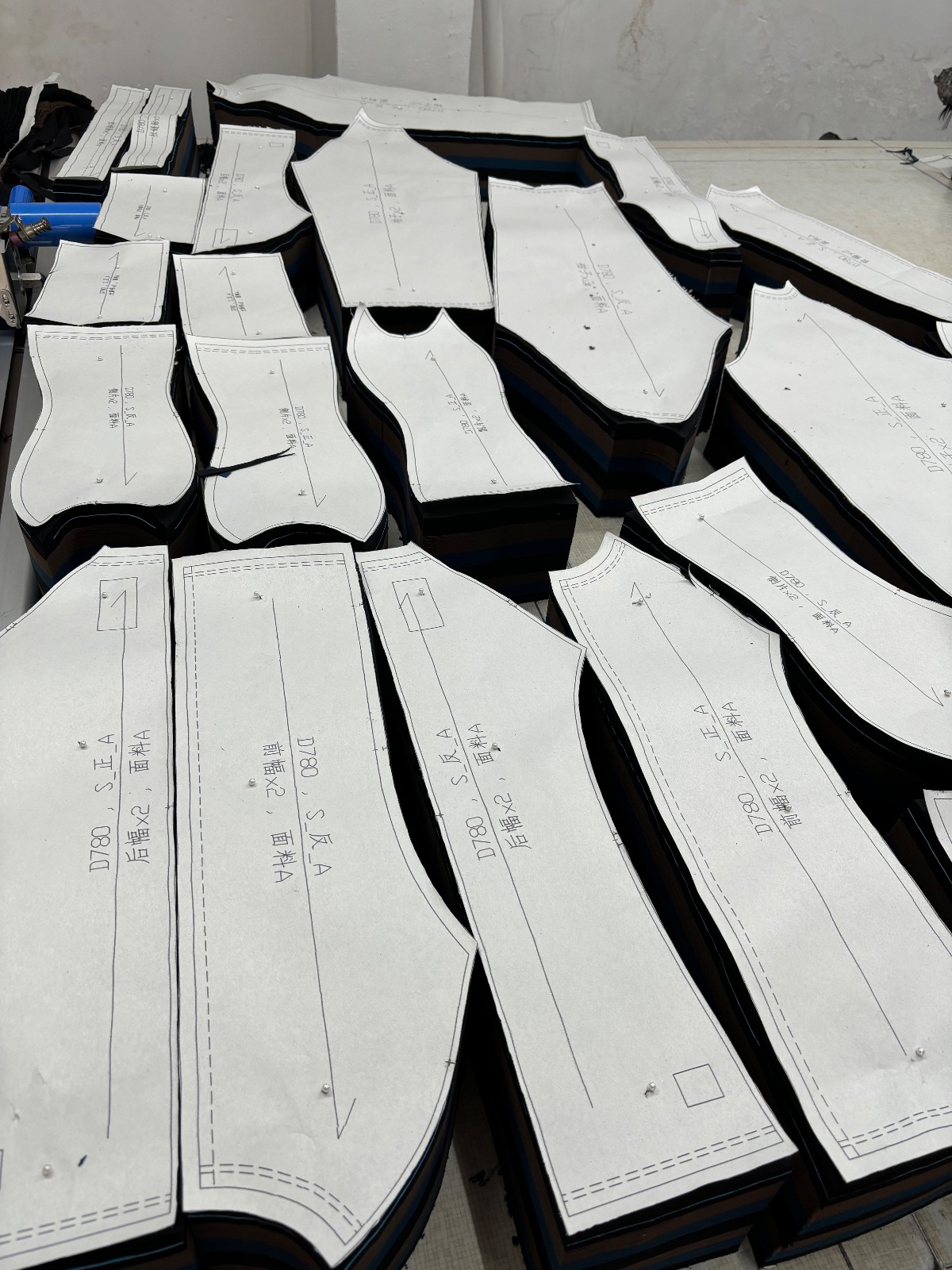
The importance of fabric durability in yoga sets cannot be overstated, especially in the context of reducing product returns. Faulty, worn, or prematurely degrading fabric can lead directly to dissatisfied customers and impact return rates. For a brand, repeat returns can severely tarnish its reputation, directly affecting sales and customer trust.
Durability directly correlates with the lifespan of activewear. High durability ensures the material can withstand repeated stretching, bending, and washing, which are typical in activewear usage. This longevity is not just a selling point but also a testament to quality – ensuring customers get value for their money and extending the product lifecycle, lowering the overall cost of ownership over time.
Testing for durability often involves simulating extended use scenarios. Methods might include prolonged exposure to mechanical stressors to observe fabric performance over time. These rigorous tests help manufacturers pinpoint potential weaknesses in the fabric or design before bulk production.
Finally, fabric durability also ties into seasonal trends. During specific seasons, particularly high-demand periods like spring and summer, consumers seek activewear that doesn't just look good but also holds up through intensive activity and frequent washing. This shift in consumer expectations makes durability a non-negotiable quality metric for maintaining competitiveness, especially for brands aiming to position themselves as reliable and high-quality purveyors of yoga sets.
How does seam strength contribute to product quality?
Seam strength plays a vital role in maintaining the overall product quality of yoga sets. It ensures that the seams withstand the stresses and strains of stretching and movement typical in exercise routines. Poor seam strength can lead to issues like seam slippage, tears, or even complete garment failure, which ultimately impacts the end user's satisfaction negatively. Seam strength is a critical factor buyers need to consider alongside other metrics such as The Process Behind Our Yoga Shorts Manufacturing: Stitching to Finishing.
Seam strength testing is commonly performed using methods such as tensile testing, which measures the force required to break the seam, and fatigue testing, which assesses the seam’s capability to endure repeated stress over time. Both these tests align with industry standards like ASTM D1683 for breaking force and ASTM D1776 for conditioning. These standardized tests are designed to ensure that the seam quality meets consistent levels in production batches and across different manufacturers.
When seams fail to meet necessary strength requirements, they are prone to premature failure during wear. Seams that split or unravel not only lead to costly returns and repairs but also deter customers from future purchases, thus affecting brand reputation. In the activewear market, where durability and reliability are highly valued, maintaining robust seam strength is paramount.
Industry standards play an influential role in guiding seam quality during production. Compliance with ASTM standards for textile production supports seam integrity, thereby enhancing customer satisfaction and reinforcing trust in the product. For the activewear segment, where the fabric must be both flexible and resilient, attention to seam strength is non-negotiable.
Ultimately, understanding and leveraging seam strength insights can help fine-tune production processes, ensuring the delivery of high-quality yoga sets that meet consumer expectations for durability and comfort.
What should a buyer check or request from a supplier?
Navigating through yoga sets inspection reports requires a meticulous approach. Buyers should first request specific documents, including the inspection report itself, certificates of conformity, and lab test data, such as tensile strength and seam durability tests. These documents provide crucial insights into product quality and conformity with expected standards.
Validating inspection reports is essential to avoid misinterpretation. Ensure reports are signed by a qualified inspector, noting the inspection protocol followed. Cross-check the measurements provided with independent laboratory test results when available. Buyers should discuss any discrepancies directly with their supplier to ensure clarity and agreement on report findings.
Third-party inspections are advisable when a high volume order is at stake or when dealing with any new supplier. These independent checks can prevent potential issues inherent in self-reporting by the manufacturer and add an extra layer of assurance.
Interpreting lab test data requires an understanding of what these numbers reflect in real-world performance. For instance, tensile tests may show acceptable results, but stress testing can reveal latent weaknesses under certain conditions. Gaining familiarity with the specifics of each test helps in making informed decisions about product readiness.
Buyers should be aware of red flags like incomplete reports, outdated testing protocols, or inconsistent data across similar reports. Address these issues promptly by seeking clarification from the supplier or considering more comprehensive inspections. Trustworthy suppliers will clarify and resolve such concerns transparently, ensuring a smooth procurement process.
This resource will provide additional context on maintaining quality assurance throughout your buying cycle.
What other factors influence the inspection report?
Environmental conditions play a significant role in the accuracy of an inspection report. Variations in temperature and humidity can affect both the materials being tested and the testing equipment itself. For instance, extreme temperatures can alter fabric flexibility or tension, while high humidity levels may impact the weight measurements of fabrics. Such conditions need to be controlled or accounted for to maintain the integrity of the inspection results.
Production batch variation is another critical factor. Even with stringent quality control, variations can occur due to differences in raw materials or changes in equipment settings. These inconsistencies can lead to significant variations in the final product, which are captured in inspection reports. For example, slight disparities in yarn tension during weaving or differences in dye lot saturation can impact the homogeneity of a batch, leading to deviations in quality metrics.
Buyer specifications can lead to differences in inspection reports as well. Each client may have unique requirements regarding fabric thickness, color fastness, and tensile strength, necessitating distinct testing parameters. Consequently, even when two batches meet a manufacturer's general quality standards, their inspection reports might differ depending on the particular demands of each buyer.
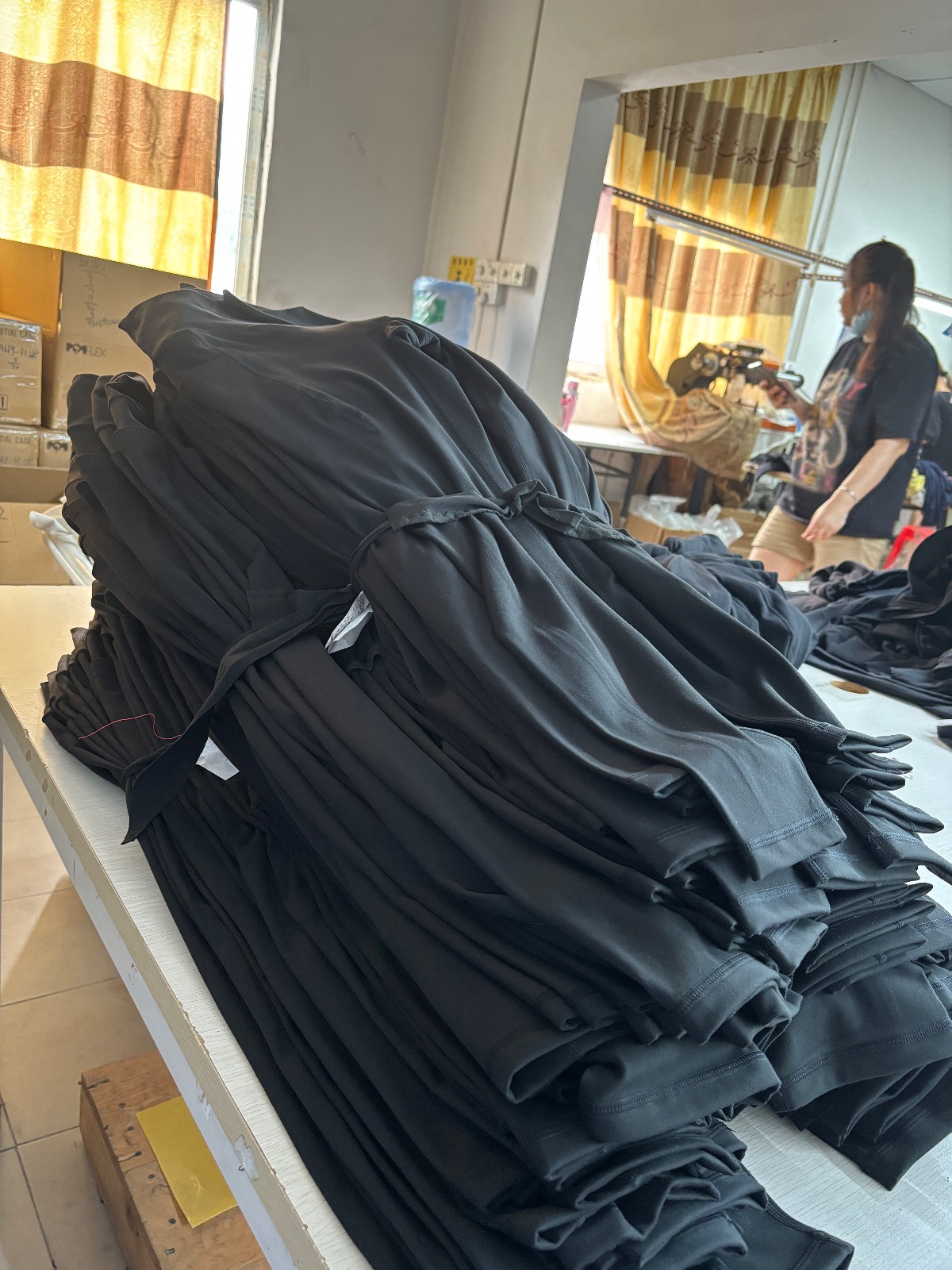
Human error is an unavoidable factor that can influence the report's outcomes. Mistakes in sample selection, measurement inaccuracies, or oversight during the inspection process can lead to discrepancies in results. Ensuring personnel are adequately trained and adhering to standardized procedures helps mitigate these errors.
Calibration of testing equipment is crucial to ensuring report accuracy. Regular calibration checks ensure that scales, tensile testing machines, and other inspection devices deliver precise measurements. Calibration errors can lead to significant discrepancies in reported values, affecting both production decisions and client confidence. Neglecting this aspect might result in a false sense of product quality that does not genuinely align with the product specifications.
What are the common questions after reading an inspection report?
Interpreting an inspection report can pose several questions, particularly when numbers seem unclear or results do not meet expectations. A common concern is how to understand statistical data correctly. For example, when reading fabric tension strength data, you might see a range instead of a single value. This variability often raises questions about acceptable tolerances and whether those metrics align with your brand standards.
If inspection results fall short of those standards, you'll need to know the next steps. First, clearly document and communicate issues to your supplier using detailed evidence from the report. This includes photographs or specific measurements where discrepancies occurred. Typically, a corrective action request (CAR) is necessary – outlining expected remedies and deadlines to resolve the issue.
For satisfactory inspection reports, the question might center around what to do next. Successful outcomes may lead you to pursue the completion of your order and initiate logistics planning. You should also consider how this data can enhance future orders, perhaps by adjusting material specifications or tightening quality controls if certain metrics are marginally acceptable.
Potential discrepancies between inspection reports and actual delivered goods can be a major talking point. Here, it's critical to follow up with both the inspection agency and the supplier to reconcile differences. This may involve a supplemental report or a third-party review to ensure consistency.
Finally, many buyers are keen to understand how to utilize inspection data more strategically. Using historical inspection data can inform product improvements or guide decisions about future batch production. It's about finding patterns – perhaps specific facilities consistently underperform in certain metrics, or particular seasons impact quality differently. Addressing these elements preemptively can streamline operations and strengthen supplier relationships. Documenting knowledge gained from these practices can contribute to improvements in production processes.
Taking Action: Using Inspection Data Effectively
Inspection metrics like tension strength and seam check are not just numbers – they're a roadmap to maintaining quality and enhancing design. By engaging in proactive dialogue with suppliers, you can clarify data points and collaboratively address any concerns. Utilize this data to drive continuous improvement, revising designs where needed to fortify product reliability. Ultimately, the decision to accept or reject a batch hinges on these metrics, providing the concrete basis to maintain quality in a competitive market. Integration of these findings into future designs can significantly uplift the brand’s standing.
Frequently Asked Questions About Yoga Sets Inspection Metrics
How often should inspection reports be reviewed?
Inspection reports should be reviewed for every order batch. Consistent review ensures product quality and helps manage any variance from expected standards over time.
How can I ensure the accuracy of an inspection report?
Verify the inspection methods used. While transparency in the inspection process is crucial to ensure accurate results, BSCI or GOTS certifications relate to broader compliance and not specific report accuracies.
What if my yoga sets fail the inspection?
First, analyze the specific areas where they failed. Discuss these issues with your supplier to identify potential solutions or adjustments. Consider conducting a follow-up inspection after corrections.
Can inspection reports be customized based on specific needs?
Yes, you can request specific checks and measurements to align with your brand’s requirements. Customizing inspection criteria can ensure your products meet unique quality standards.
