
Dongguan Uga Fashion Co., Ltd. specializes in activewear manufacturing, focusing on yoga shorts among other products. Their reputation highlights their capability and expertise in managing orders while maintaining quality. The process is structured to meet high industry standards, providing designers and retail buyers insight into what separates quality manufacturers from the rest, setting clear expectations for production timelines and outcomes. From stitching techniques to the finishing touches, each step involves craftsmanship and quality checks according to industry standards.
1. Materials and Specifications
The foundation of high-performance yoga shorts starts with the right materials. At the heart is a blend of polyester and spandex, selected for their complementary qualities. Polyester brings durability and moisture-wicking capabilities, essential for maintaining comfort during intense workouts. On the other hand, spandex offers remarkable elasticity, allowing the shorts to move with the body and retain their shape over time. The typical blend may contain around 80% polyester and 20% spandex, striking a balance between firmness and flexibility.
Material choice critically influences the comfort and performance of yoga shorts. Polyester's moisture-wicking property helps keep the skin dry by drawing sweat away from the body, while spandex ensures that the shorts stretch without losing their fit, even after repeated use. Therefore, these materials guarantee that the yoga shorts provide both support and freedom of movement, essential for any fitness regimen.
It is advisable for buyers to clearly outline their standard specification requirements, such as weight (typically 250-280 GSM), opacity, and colorfastness, which ensures that each piece meets the customer's visual and functional expectations.
Considering sustainability goals in material selection can be crucial. Implementing recycled polyester in product lines helps reduce environmental impact while maintaining performance standards. To learn more about sustainable practices in activewear, visit Eco-Friendly Yoga Pants.
Incorporating sustainability without compromising on performance demonstrates a commitment to eco-friendly practices, appealing to environmentally conscious consumers and meeting growing market demands.
2. The Cutting Stage
The cutting stage is a critical phase in manufacturing yoga shorts, ensuring each piece of fabric aligns perfectly with design specifications. Initially, the fabric must be spread either manually or using automated spreading machines – either technique helps to eliminate wrinkles and aligns the fabric grain perfectly. This preparation is crucial for the precision of the subsequent cut.
Manufacturers may use advanced technologies to enhance precision. Systems that allow for accurate, repeatable patterns can maximize fabric efficiency and minimize waste. Manufacturers often use laser cutting and automatic knife cutting to improve accuracy and efficiency. Laser cutting provides precision and clean edges, ideal for smooth fabrics, while automatic knife cutting excels in handling thicker materials or multiple fabric layers.
However, the cutting stage isn’t without its challenges. Misalignment of fabric layers, dull blades, or inaccurate input can lead to errors like inconsistent sizing or fabric distortion. These issues can severely impact the final product, leading to increased material waste and reduced garment quality. To mitigate these risks, regular maintenance and calibration of cutting equipment are essential, as is rigorous training for operators to recognize and rectify potential issues swiftly.
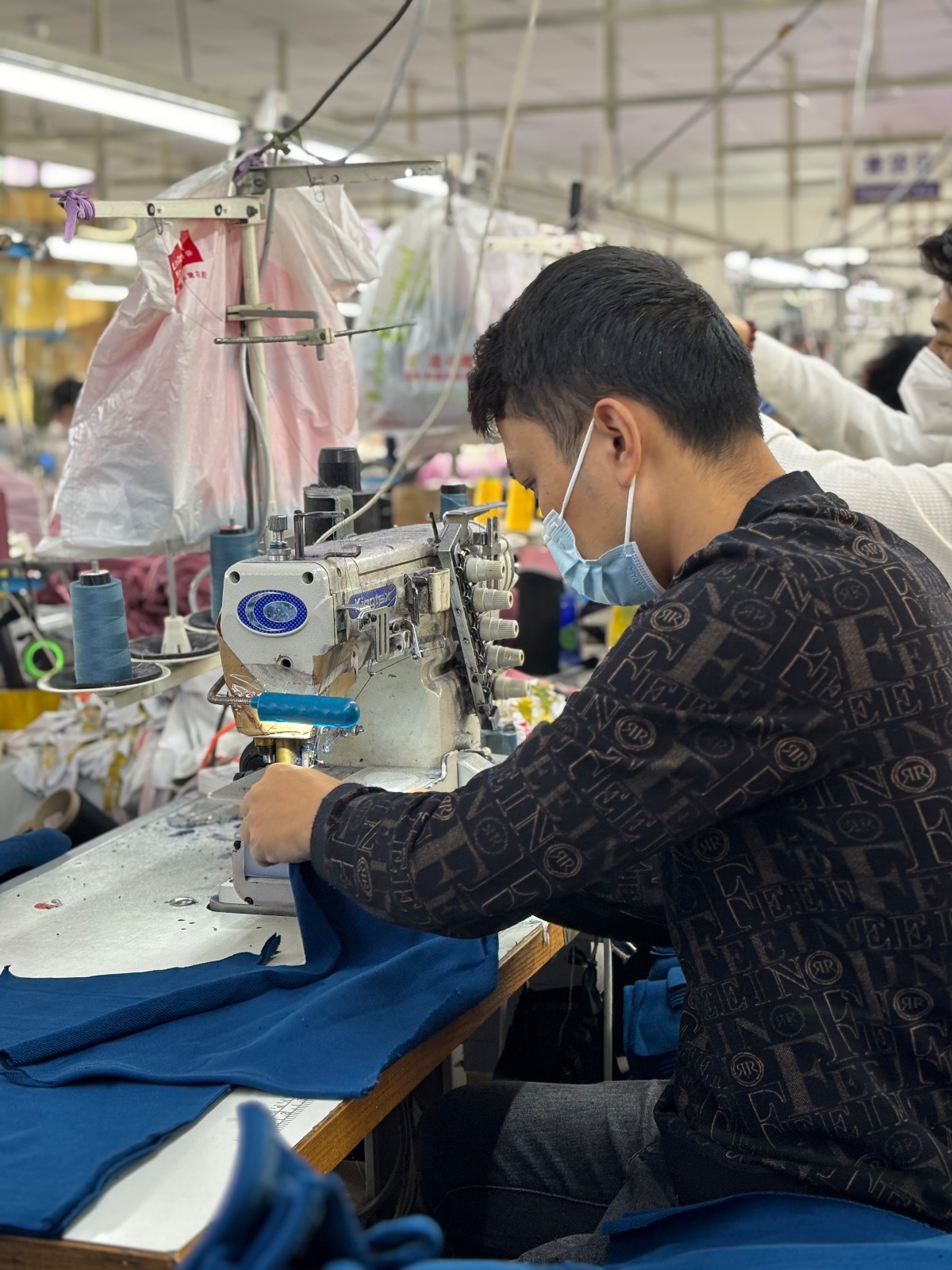
Ensuring accuracy in the cutting process sets a solid foundation for the subsequent stages of manufacturing, directly impacting both the quality and aesthetic appeal of the final yoga shorts.
3. Stitching Techniques
Stitching is the cornerstone of yoga shorts manufacturing, integral to both their durability and aesthetic appeal. The primary techniques utilized in crafting these garments include flatlock and overlock stitching.
Flatlock stitching is prized for its seamless appearance and elasticity. It involves stitching the fabrics together edge-to-edge, which is beneficial in minimizing chafing and ensuring comfort during movement. This technique suits yoga shorts made from spandex-heavy blends, promoting flexibility while maintaining strength.
Overlock stitching, on the other hand, is utilized to prevent fabric edges from fraying. It is applied where durability is paramount, reinforcing areas that endure high stress such as the waistband and inner thighs. This technique is particularly compatible with synthetic fabrics like polyester, offering a clean, finished edge that complements the garment's overall design.
The choice of stitching technique is crucially aligned with the material type. For blends that mix polyester with spandex, a combination of flatlock for comfort zones and overlock for reinforcement is often optimal. This strategy not only enhances the shorts' longevity but ensures that they meet end-user expectations for performance and style.
The quality of seams plays a decisive role in performance, ensuring that shorts can withstand rigorous activities without compromising fit or aesthetics. High-quality stitching eliminates puckering and uneven tension, which can detract from both comfort and appearance. Consistent seam quality reinforces the shorts' ability to retain shape and withstand stretching – key attributes in fitness apparel.
To ensure the reliability and attractiveness of yoga shorts, brands should focus on perfecting stitching techniques through rigorous quality checks and process optimization. This attention to detail can make yoga shorts a preferred choice for activewear aficionados.
4. Adding Elastic and Waistbands
Adding elastic and waistbands to yoga shorts is a critical step that significantly influences both fit and comfort. Using high-quality materials is essential. Elastics are generally made from a blend of rubber or spandex to provide stretch, while the waistband material often includes cotton, polyester, or a soft knitted fabric for comfort against the skin. The choice of material directly affects the waistband's durability and how well the shorts move with the body.
Material Choice and Techniques: For optimal comfort and longevity, it's crucial to select materials that maintain elasticity over time without losing tension. Techniques such as double-needle stitching ensure that the elastic is securely affixed. This approach not only maintains the stretchability but also ensures that the waistband will not detach easily during wear, maintaining the garment’s structural integrity.
Attaching the Waistbands: The process begins with aligning the waistband material with the top of the shorts. Special attention is paid to ensure symmetry and even stretch distribution. The elastic is then inserted into the waistband casing or sewn directly onto the fabric using overlock or cover stitch machines. This helps in achieving a snug, yet flexible fit that adapts to different body shapes. The attachment must be smooth, avoiding any bulky seams that could cause discomfort.
Quality Checks: Quality checks are important in the industry to ensure consistency and reliability. Buyers may consider asking suppliers about quality control measures, such as tension tests and visual inspections, to confirm elasticity and even stitching. Ensuring these quality controls are in place can reassure buyers of a product that will perform well under various conditions, retaining elasticity and staying comfortably in place during physical activities.
5. Quality Control During Production
In activewear manufacturing, in-line quality checks are a key consideration to maintain high standards. Buyers should ensure that their supplier's protocols are designed to meet defined specifications for every batch. It is advisable to inquire about regular inspection stages, like during sewing, fabric assembly, and after applying trims or embellishments. Key parameters such as seam strength, stitch accuracy, and fabric appearance are often important factors to scrutinize.
Maintaining consistency in production involves upholding the quality that defines a brand. Regular and rigorous checks can help catch variations early. Best practices may include having experienced operators perform random sampling and detailed examination at various stages.
When defects are detected, prompt response strategies, such as isolating the defect, performing root-cause analysis, and implementing corrective actions immediately, are vital. It is beneficial if repair or rework processes are structured to integrate back into production efficiently. This can prevent minor issues from escalating into significant production mishaps.
Quality control procedures in the industry often align with recognized standards, such as the Global Organic Textile Standard (GOTS) and the Business Social Compliance Initiative (BSCI). It is wise to document every quality metric and implement a continuous feedback loop for process improvement. This systematic approach ensures compliance and drives ongoing enhancements in quality delivery.
6. Finishing and Final Inspection
Once the yoga shorts have been stitched and assembled, they enter the finishing stage, a critical step ensuring quality and appearance. This stage involves several processes. Trimming loose threads is meticulous work that refines the garment's edges and prevents any unraveling during use. Ironing follows, smoothing out the fabric, enhancing the shorts' appearance, and ensuring that folds and seams lay flat, which supports both aesthetics and comfort.
Once the finishing touches are applied, each pair can be subjected to a final inspection. It is advisable for buyers to ensure inspection focuses on seam integrity and uniformity of color and print. Common defects include misaligned seams, stitching errors, or inconsistencies in the waistband attachment. Each defect requires specific corrective actions, such as re-sewing seams or adjusting stretchy bands to restore uniformity.
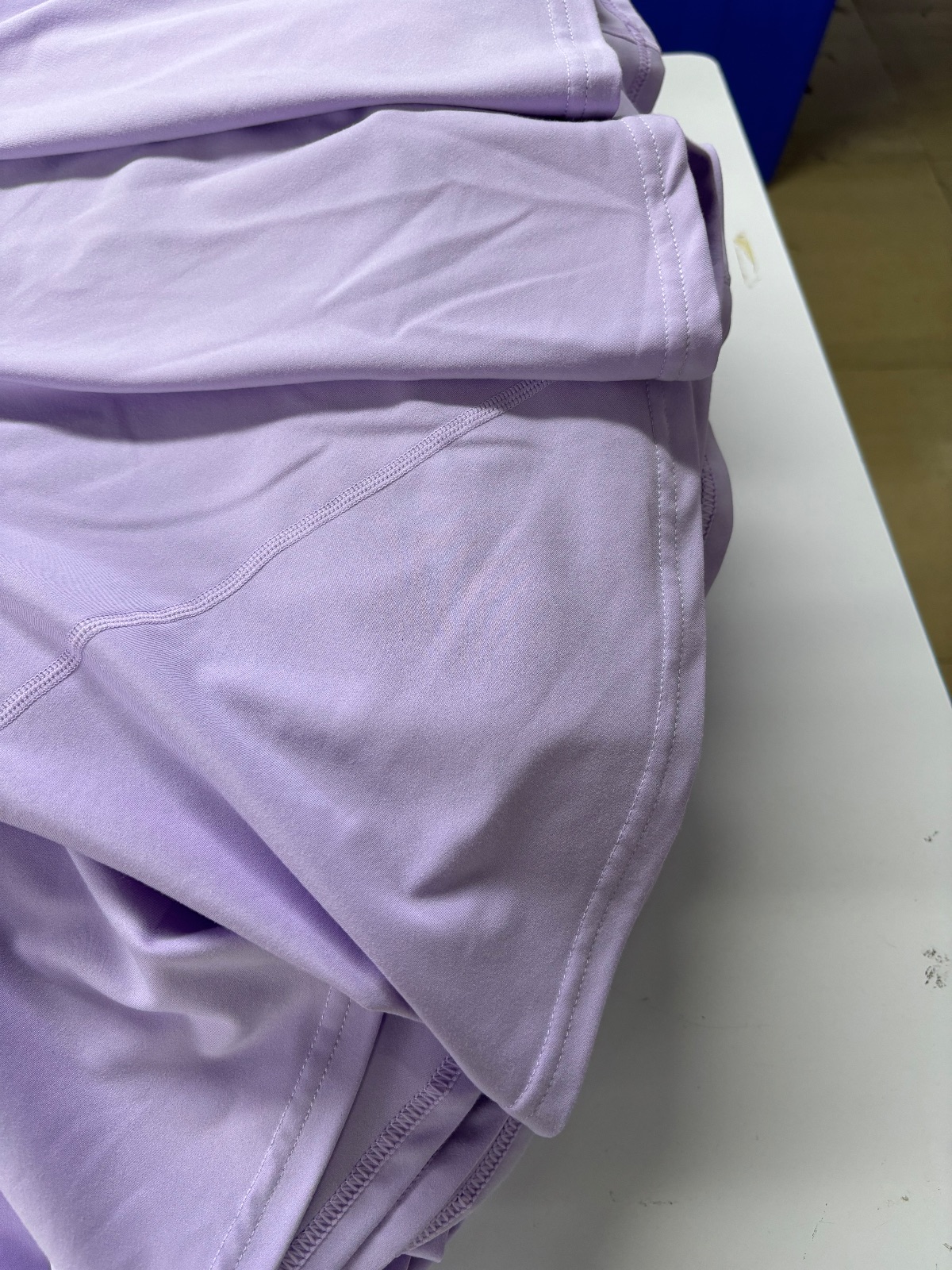
Packaging is another essential consideration. Yoga shorts often require polybagging to protect them during transit, limiting exposure to moisture and environmental contaminants. Proper packaging not only safeguards the product but also enhances brand presentation upon arrival.
Quality Control Specifications for Yoga Shorts
| Property | Typical Value | Why it Matters |
|---|---|---|
| Seam Integrity | Firm, non-gap seams | Ensures durability and comfort during wear |
| Elastic Performance | Consistent stretch | Provides comfortable fit and flexibility |
| Color Consistency | Uniform across shorts | Maintains brand standards and customer satisfaction |
| Loose Threads | None | Prevents unraveling and enhances appearance |
| Folding Accuracy | Clean, crisp presentation | Supports presentation and ease of warehousing |
The success of this stage ensures each piece meets the high expectations set by both brand and customer, leaving no detail unchecked before the shorts are boxed and shipped.
Decision Points for Buyers
When selecting a manufacturer for yoga shorts, buyers should carefully consider several critical factors that will influence the final product's quality and production efficiency. First, the scale of production significantly affects timelines and costs. Large production runs can result in economies of scale, reducing the per-unit cost, but they also require longer lead times. It's essential to discuss with manufacturers their typical lead times for different batch sizes, emphasizing how they manage quick turnarounds for smaller orders without compromising quality.
Ask manufacturers about their production process specifics. Inquire about their machinery – Do they utilize advanced technology for cutting and stitching, or rely on manual processes? Understanding this can clarify how they maintain precision and consistency. Also, verify if their machinery and processes are regularly updated or calibrated to industry standards to avoid surprises later, and how frequently they conduct maintenance checks.
Buyers must verify key standards and certifications. A credible manufacturer like Dongguan Uga Fashion Co., Ltd. should have certifications such as BSCI and GOTS, ensuring both ethical compliance and commitment to sustainable practices. Checking these certifications bolsters confidence in the manufacturer's operational standards.
Finally, determine the manufacturer’s experience with your specific product needs. Request references or case studies on past production runs similar to your requirements and evaluate the feedback from these projects. For deeper insights on selecting a suitable producer, explore Choosing the Right Yoga Activewear OEM Manufacturer in Dongguan. Doing so can help you align with a partner who not only understands your vision but also delivers reliably.
FAQ: Yoga Shorts Manufacturing Process
What are the main steps involved in manufacturing yoga shorts?
The main steps in manufacturing yoga shorts include selecting materials, precise fabric cutting, stitching, adding elastics and waistbands, ongoing quality control, finishing processes, and a final inspection prior to shipping. Each stage is crucial for ensuring the shorts meet both comfort and performance standards.
How does Dongguan Uga Fashion Co., Ltd. ensure quality in yoga shorts manufacturing?
It is important for buyers to ensure that their suppliers engage in ongoing quality control, which may include regular monitoring of materials and processes, and prompt addressing of any defects. Products are manufactured in facilities compliant with BSCI and GOTS.
How does the manufacturing process differ based on customer requirements?
The manufacturing process can vary based on specific customer designs and performance requirements. This includes adjustments in material selection, stitching techniques, and any custom features requested. Each customization is aligned with the customer’s specifications to ensure the final product meets their unique needs.
FAQ: Yoga Shorts Manufacturing Process
What is the minimum order quantity (MOQ) for yoga shorts?
The minimum order quantity (MOQ) for yoga shorts typically varies depending on the design complexity and fabric availability. It's best to contact Dongguan Uga Fashion Co., Ltd. directly to confirm current requirements and discuss your specific needs.
How does Dongguan Uga Fashion ensure sustainable manufacturing?
Dongguan Uga Fashion Co., Ltd. prioritizes sustainability by using eco-friendly fabrics and adhering to the Global Organic Textile Standard (GOTS). Buyers should inquire about energy-efficient methods their suppliers use and the steps they take to minimize waste.
What quality checks are in place during the production of yoga shorts?
Buyers should ask suppliers about common industry practices, such as quality checks focusing on areas like stitching integrity, fabric elasticity, overall aesthetic, and final product durability, to ensure the final products meet desired standards before shipment.
