
A design startup was preparing to launch its first line of yoga activewear targeted at U.S. fitness influencers. The stakes were high – delivering consistent quality to maintain their nascent reputation was critical. With limited experience in fabric standards and manufacturing processes, they approached Dongguan Uga Fashion Co., Ltd. for OEM services. Their quest was not just about finding a factory but one capable of matching their specific fabric, flexibility, and durability standards. This journey through specification, regulatory compliance, and supplier evaluation became pivotal. In doing so, they learned the importance of in-depth understanding of processes like stretch-recovery performance, GSM levels, and rigorous testing methods. The insights gained ensured they aligned buyer specifications with practical manufacturing capabilities, crucial for a successful market launch.
The Critical Situation Faced by New Brands
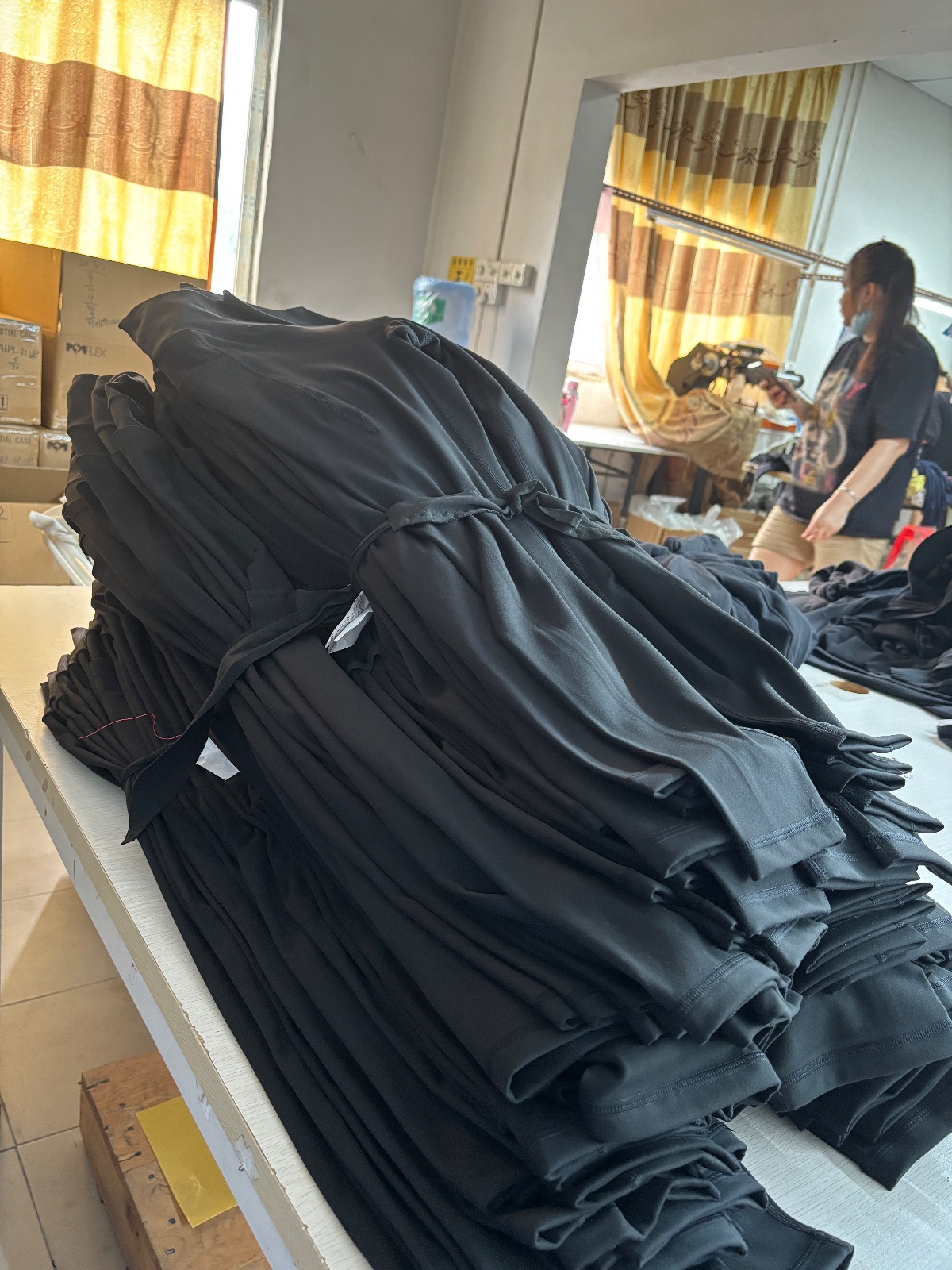
Launching a new yoga activewear brand demands meticulous quality management, especially given the surge in consumer demand for high-performance athletic wear. For newcomers in the market, ensuring top-notch quality isn't simply a desirable trait – it's crucial. Brands face the challenge of distinguishing themselves through consistency, where even a single defective run can undermine reputations built at the cost of significant investment.
The Imperative of Consistent Quality
Consistency in quality serves as the backbone of brand credibility. A brand's initial impression in the market can make or break its future, often determined by consumer feedback on social platforms and reviews. Inferior products can quickly tarnish a brand's image, making recovery a costly affair. For an emerging brand, every material choice is pivotal – ensuring that the fabric withstands usage demands like stretch and durability can differentiate it in a saturated market.
Risks of Poor Quality Control
Failure to maintain consistent quality can lead to catastrophic outcomes. Buyer dissatisfaction not only results in returns and refunds but can also mean the loss of repeat customers, increased negative exposure, and in severe cases, legal ramifications if the products don't meet safety standards. New brands, often operating with limited financial and operational buffers, are particularly vulnerable to these risks.
Pitfalls in Fabric Selection
An overlooked yet critical aspect is fabric selection – often, newcomers fall into the trap of choosing materials based solely on appearance or trend, neglecting performance standards like GSM or stretch-recovery. Such oversights can result in garments that are uncomfortable or dysfunctional, leading to additional costs in returns or redesigns. For instance, opting for a lower GSM fabric might seem cost-effective initially but could fail in offering the needed opacity and elasticity, crucial for yoga clothing.
Trusting Manufacturing Partners
Selecting a reliable OEM manufacturer is fundamental to overcoming these hurdles. It's important to choose manufacturers who have verified quality control processes and can guide brands through industry pitfalls. With experienced partners, brands can ensure product consistency, enjoying smoother market entry and sustaining long-term success.
Ultimately, building a resilient brand identity starts with scrupulous attention to product quality and effective partnerships. New brands that prioritize these elements safeguard themselves against reputational risks while positioning their products as reliable for discerning customers.
Common Quality Concerns in Activewear
Understanding the nuances of activewear fabric quality is essential for buyers when selecting an OEM manufacturer. GSM, or grams per square meter, is a critical factor in determining fabric weight. For example, Yoga Leggings typically have a GSM range of 220–300, contributing to their compression and opacity. However, a heavier GSM doesn't guarantee complete opacity alone, as it depends significantly on knit density and yarn type.
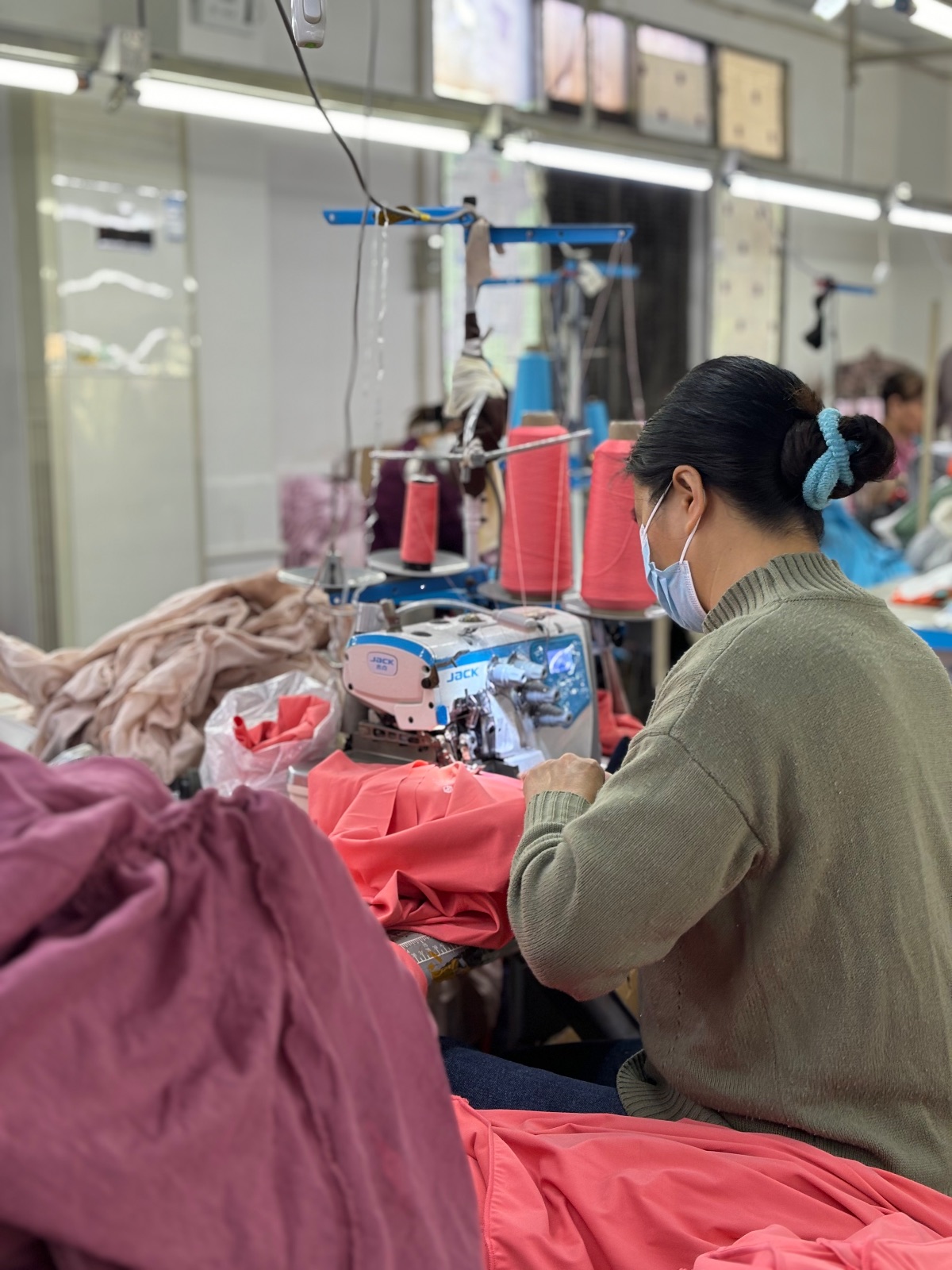
Fabric Stretch and Recovery
Fabric stretch and recovery are vital parameters in athletic apparel. A sport fabric tested per ASTM D6614 must efficiently stretch and return to its original shape to provide comfort and durability. The spandex content within the textile influences these characteristics greatly. Typically, activewear blends like Nylon 75–85% with Spandex 15–25% offer a balanced stretch and recovery performance. Crucially, buyers should consider performing stretch tests on samples to ensure they meet their specific needs.
Opacity in Yoga Apparel
Opacity is a common concern in yoga apparel, especially for compression garments. Even with the correct GSM, opacity can be compromised if the fabric lacks proper weave density or is overstretched. It's important to evaluate fabric in varying light conditions and against different movements to ensure it maintains coverage.
Fabric Composition and Blend
The composition and blend of fibers in activewear are critical for achieving the right balance between stretch, weight, and durability. For example, a nylon-spandex blend offers better moisture wicking and stretch than polyester-spandex, which may be more durable but less breathable. Understanding these subtleties is crucial for creating activewear that meets functional and aesthetic requirements.
Key Fabric Parameters in Yoga Activewear
| Parameter | Typical Range | Unit | Considerations | Regulatory Standard |
|---|---|---|---|---|
| GSM | 220–300 | GSM | Impacts weight and opacity | ISO 3801 |
| Stretch | 15–25 | % | Relates to Spandex content | ASTM D6614 |
| Opacity | High/Moderate | Check against varying light conditions | ||
| Composition | Nylon/Spandex | % | Balance stretch and breathability | |
| Recovery | 90–95 | % | Ensures durability over time | ASTM D6614 |
Ensuring compliance with methods like ASTM D6614 is paramount to maintaining fabric quality. Carefully evaluating these parameters will help buyers mitigate risks and make informed sourcing decisions.
Steps to Ensure Informed Supplier Selection
When choosing a yoga activewear OEM manufacturer, conducting an initial factory audit is crucial. Start with an on-site visit to assess the manufacturing environment. Observe cleanliness and organization, as a well-maintained facility often correlates with higher quality standards. Examine the equipment, ensuring it’s modern and well-maintained, and ask to see samples of current production runs. Assess staff expertise by observing how workers handle tasks; skilled labor can significantly impact product quality.
Key Questions to Ask Potential Suppliers
Engage in conversations that reveal insight into the supplier’s capabilities and business practices. Ask about their experience with similar products and inquire about the MOQ (Minimum Order Quantity) and lead times for your orders. Inquire if they provide flexibility in production volumes. Additionally, request details about their internal quality control processes – how they test for fabric stretch and recovery, as well as opacity. Understanding these parameters right from the start helps in filtering out unsuitable suppliers.
Role of Certifications: GOTS and BSCI
Certifications like GOTS (Global Organic Textile Standard) and BSCI (Business Social Compliance Initiative) are important for supplier evaluation. GOTS certifies the organic status of textiles, crucial for brands focusing on eco-friendly materials, while BSCI audits support compliance with fair labor standards. Confirming these certifications helps ensure the supplier aligns with the ethical and quality standards your brand advocates.
Evaluating a Supplier’s Production Capabilities
Take a closer look at their production capabilities. Analyze technical specifications such as fabric GSM, fiber composition, and capabilities to handle different fabric blends. Evaluate their capacity to innovate, such as using seamless technology or moisture-wicking techniques, which can provide a competitive edge.
Common Red Flags to Avoid
Be mindful of red flags that may indicate poor supplier performance. Consistent quality issues in past customer feedback or reluctance to share detailed production workflows are warning signs. Additionally, lack of transparency regarding sources of raw materials or unwillingness to accommodate factory visits should be approached with caution.
By considering these factors, you can ensure a more informed and confident decision in selecting a reliable OEM manufacturer for yoga activewear.
Manufacturing Process Insights at UGA FASHION
In the yoga activewear industry, adopting detailed manufacturing processes ensures the production of reliable activewear. Buyers may seek suppliers who employ advanced technologies and robust quality management systems aligned with industry practices.
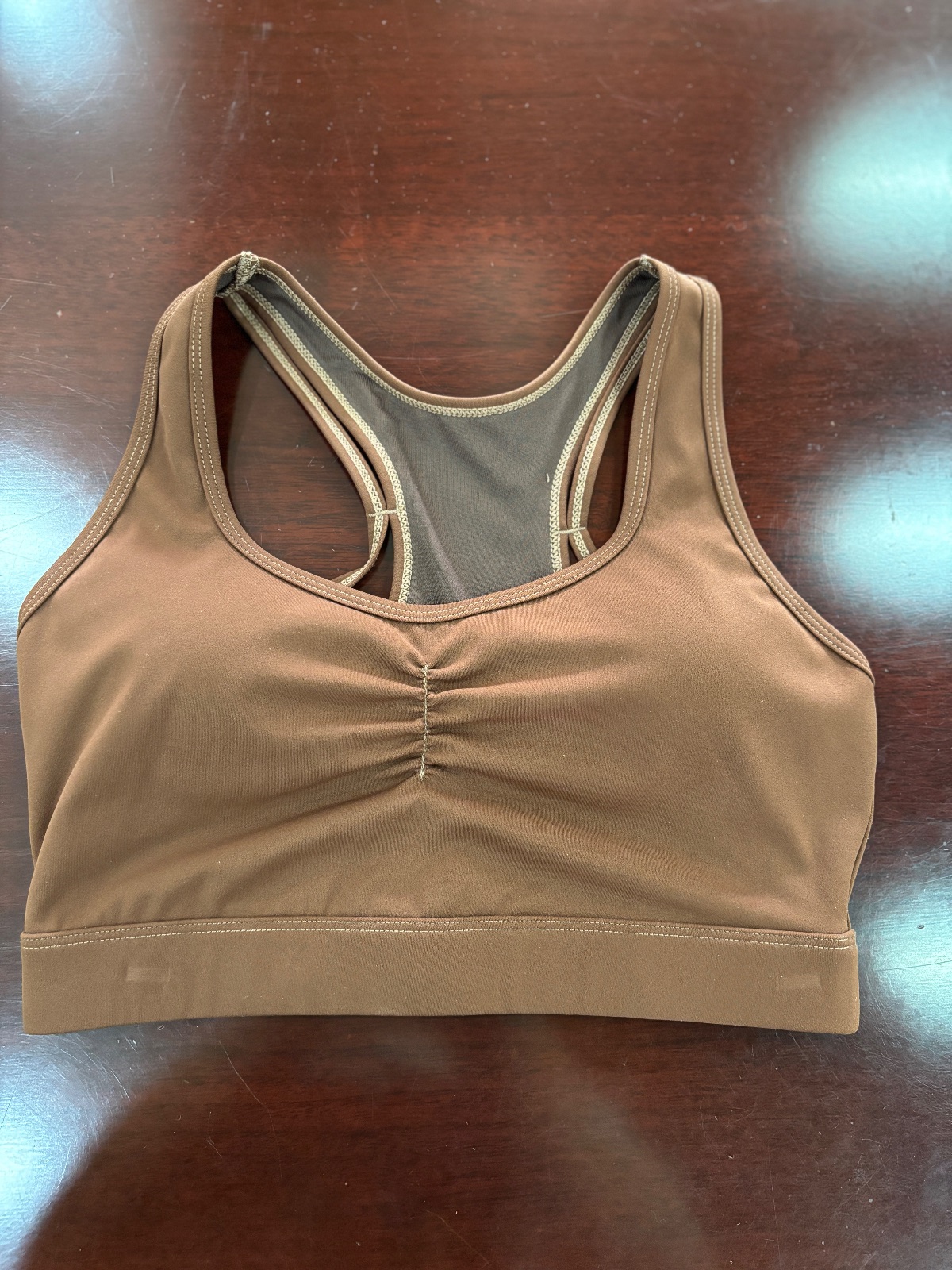
Manufacturing begins with meticulous design and pattern-making. Commonly used software can optimize each design to ensure precision, providing a strong foundation for subsequent steps to align with initial specifications.
Manufacturing Process Highlights
| Process Step | Key Detail | Technology Used | Quality Check | Outcome |
|---|---|---|---|---|
| Design and Patterning | Precise digital models | CAD Software | Dimensional inspection methods | Reliable Fitting Patterns |
| Fabric Cutting | Laser-precision cuts | Automated Laser Cutting | Visual or laser edge inspection | Clean, Accurate Pieces |
| Knitting/Weaving | Consistent GSM levels | Circular Knitting Tech | ASTM or ISO standard tests | Uniform Textile Density |
| Sewing and Assembly | Seamless bonding | General sewing methods | Peel strength tests (ASTM D1876) | Durable Garment Construction |
| Dyeing and Finishing | Eco-friendly processes | Low-impact Dyes | ASTM D5033 or ISO 105 standard tests | Vibrant, Long-lasting Colors |
Laser cutting is a common method in the industry, ensuring precision and minimizing material waste. This automated technology offers accuracy essential for high-performance activewear.
During knitting, maintaining consistent GSM levels is crucial for fabric weight and performance. Circular knitting technology supports fabric integrity throughout manufacturing. Industry-standard tests are applied at each stage to ensure consistency.
Seamless bonding enhances garment production by reducing manual stitching, thus preventing seam irritation. This involves applying targeted heat and pressure to create durable seams that offer both comfort and strength.
It is advisable for buyers to inquire about inspection and quality management practices at every stage. Recognized international standards such as ASTM and ISO tests for color fastness and fabric durability help maintain product quality. Integrating technology and systematic inspections keeps activewear competitive in the global market.
Real World Outcomes and Client Experiences
In the world of yoga activewear, the focus on detailed quality control can make or break a brand. Regular attention to quality significantly influences consumer trust and repeated business. For instance, brands can experience a decrease in customer returns due to defects after tightening quality controls. This success highlights the concrete impact of rigorous inspections and adherence to production standards.
Customer feedback often reflects the reliability of a supplier's quality control processes. To ensure high satisfaction, brands should seek consistency in meeting specifications. It is advisable for buyers to consider the supplier's history of managing defect rates and controlling GSM and stretch performance in materials.
Data-backed success can be measured through metrics like defect rates and their resolution times. Continuous monitoring processes should be implemented to catch anomalies early, reducing the percentage of flawed products reaching the market. Integrating specific checkpoints in the production process can significantly reduce manufacturing errors and related defects over time.
Client feedback can feed into process enhancements, offering a common industry practice where input on both design and the manufacturing processes is used to recalibrate and enhance quality management strategies. This feedback loop ensures that client expectations are consistently met when managing complex orders.
Clients appreciative of improvements to defect rates often note the proactive approach required in quality management. As a result, brands find that maintaining a robust standing in the competitive activewear market relies on reliable product quality and insightful quality control practices. This focus on continuous improvement makes any supplier a valuable partner for brands striving for excellence in product performance.
Lessons for Buyers in Sourcing Decisions
Buyers typically require comprehensive fabric testing. It ensures the fabric can withstand the repeated stresses of athletic use, maintain its shape, and offer adequate support. Buyers often rely on GSM, stretch-recovery tests, and opacity checks under stress. These tests should be compared with industry standards like ASTM D6614, which assess stretch properties. By verifying these specifications, buyers avert risks associated with product returns and dissatisfied customers.
Aligning specifications with manufacturer capabilities forms the backbone of a successful partnership. Buyers should verify technological assets and process capabilities of their chosen manufacturer. This involves examining whether the manufacturer can meet GSM specifications, fabric composition, and functional performance benchmarks. Aligned capabilities prevent production hiccups and ensure that batches meet design expectations consistently, optimizing time-to-market and reducing costs associated with design revisions or failed potential product launches.
Effective communication plays a pivotal role in project success. Establishing clear communication channels and protocols minimizes misunderstandings about design specifications, production timelines, and quality levels. Buyers should maintain regular updates with manufacturers, leveraging platforms that facilitate real-time collaboration and feedback. This proactive communication helps nip potential issues in the bud, drastically reducing the likelihood of order discrepancies and ensuring that the end product aligns with initial design and quality expectations.
Learning from past experiences – whether failures or successes – is invaluable for future sourcing decisions. Analyzing what went wrong in past projects can guide buyers in refining their selection criteria and project management strategies. Conversely, noting what worked well helps in replicating successful strategies. This analysis helps in building a comprehensive checklist to prevent repeating mistakes and to ensure continuous improvement in sourcing processes.
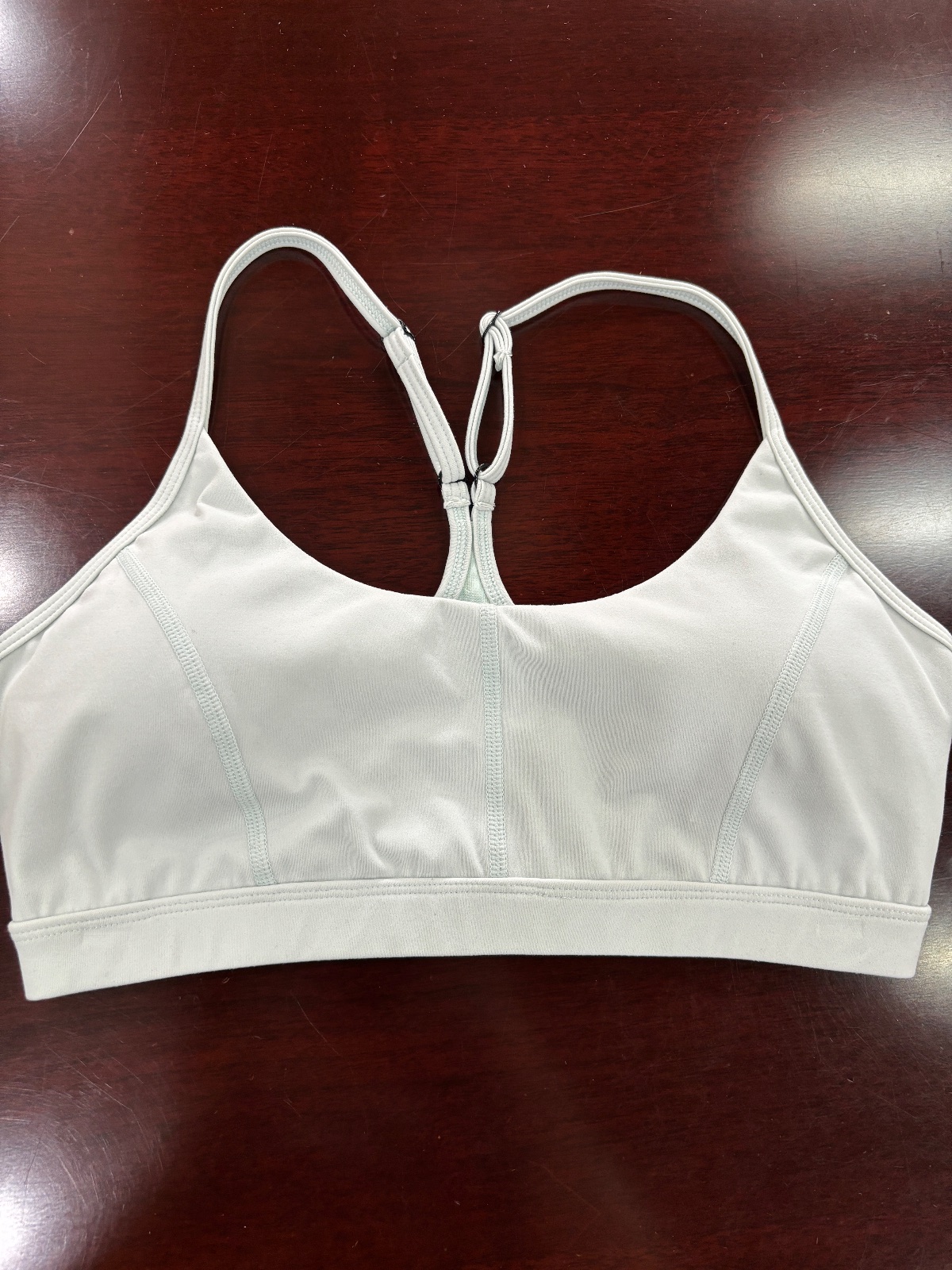
Long-term supplier relationships can be enhanced through strategic evaluation. Buyers should assess suppliers not only on current capabilities but also on their potential for growth and improvement. Building a relationship based on mutual goals and transparent communication strategies fosters trust and reliability.
Supplier Evaluation Checklist
| Criteria | Description | Importance | Verification Method | Potential Risk |
|---|---|---|---|---|
| Fabric Testing | GSM, stretch-recovery and opacity checks | High | ASTM D6614 compliance | Product returns, unhappy customers |
| Specification Alignment | Match manufacturer capabilities with needs | High | Capability assessment | Production hiccups, design revisions |
| Communication | Clarity in design specifications and timelines | Critical | Regular updates | Order discrepancies, miscommunication |
| Past Experiences | Use past project insights for improvement | Moderate | Project post-mortems | Repeating past mistakes |
| Supplier Evaluation | Assess capability and growth potential | High | Strategic reviews | Trust issues, sub-standard product delivery |
Thorough monitoring and analysis tailored to specific project needs prevent misalignments and foster strong, long-term supplier partnerships. Buyers equipped with this knowledge can navigate the complexities of sourcing decisions with greater confidence and clarity.
Practical Inspection Methods to Ensure Quality
When dealing with yoga activewear, ensuring the quality of fabric is pivotal for maintaining brand integrity and customer satisfaction. Detailed inspection methods are integral in achieving this objective.
Checking Specific GSM Values
The primary step involves verifying that the fabric's GSM (grams per square meter) aligns with the specified requirements. GSM measurement is conducted to maintain consistency, ensuring that the final product delivers the expected level of thickness and durability.
Testing Stretch-Recovery
Stretch-recovery testing is essential for yoga garments due to the dynamic movement they endure. This involves extending the fabric to a specific percentage beyond its original length, usually around 30–50%, and observing its ability to return to the starting point without permanent distortion. Such tests ensure that the garments can withstand repeated stretches during wear, maintaining their shape and fit over time.
Examining Fabric Opacity
Opacity under stress is another critical focus. To check this, apply a stretch test while illuminating the fabric from behind to assess transparency. A properly opaque fabric resists "see-through" effects that often lead to customer dissatisfaction. Assessing opacity ensures that the garment can maintain privacy even under tension.
Compliance with Regulatory Standards
Meeting regulatory standards such as ASTM D6614 for stretch properties ensures that the fabric adheres to industry benchmarks for performance. Document all compliance checks and results thoroughly to support regulatory conformity and to have a clear quality record for each product batch.
Documenting Quality Control Procedures
Finally, record all results meticulously for every batch received. Documentation not only aids in traceability and accountability but also facilitates communication with suppliers about specific quality issues should they arise. It's the foundation for maintaining continuous quality improvement in the manufacturing process.
Using these practical inspection methods enables yoga activewear brands to ensure consistent quality, meet customer expectations, and align with regulatory standards.
Your Next Steps in Choosing an OEM Manufacturer
To navigate the process effectively, start by carefully reviewing fabric specifications with each potential supplier. Knowing the specific GSM and fiber composition you require helps in selecting the right partner. Always request samples for direct, hands-on quality checks; this verifies the supplier's claims and ensures the material meets your needs. Discuss compliance and certification requirements early to avoid future complications. Seek current client feedback to gain insight into the supplier's reliability and quality consistency. Lastly, evaluate response times and flexibility; how a supplier handles queries or changes often reveals their commitment and adaptability.
FAQ: Choosing an OEM Manufacturer for Yoga Activewear
What should I consider when selecting a yoga activewear OEM manufacturer?
Focus on fabric specifications, such as GSM and stretch-recovery, verify compliance with standards like ASTM D6614, and evaluate supplier certifications like GOTS and BSCI. Consider asking the manufacturer about their capabilities and their client's feedback as part of your due diligence.
How do I ensure transparency and consistency in fabric quality?
To ensure consistency in fabric quality, buyers can require detailed spec sheets for each batch, conduct regular inspections, and ensure compliance with set industry standards. Lot-specific reports can prevent mismatches.
