
Designing yoga pants is a rigorous procedure that blends aesthetics, biomechanics, and material science. A successful design delivers flexibility of movement, lasting comfort, and a flattering fit. This article describes the essential steps and concerns in the yoga pant design process, providing a clear foundation for designing a product that performs.
1. Establishing the Design Foundation and Inspiration
Every design begins with a clear basis. Define the major aim of the yoga pants. Is it for hot yoga, demanding optimal breathability? Is it for everyday athleisure, focusing on a seamless look under garments? Perhaps it is for powerful vinyasa flows, necessitating extraordinary four-way stretch and recovery. The intended application dictates all the following choices on fabric, construction, and features.
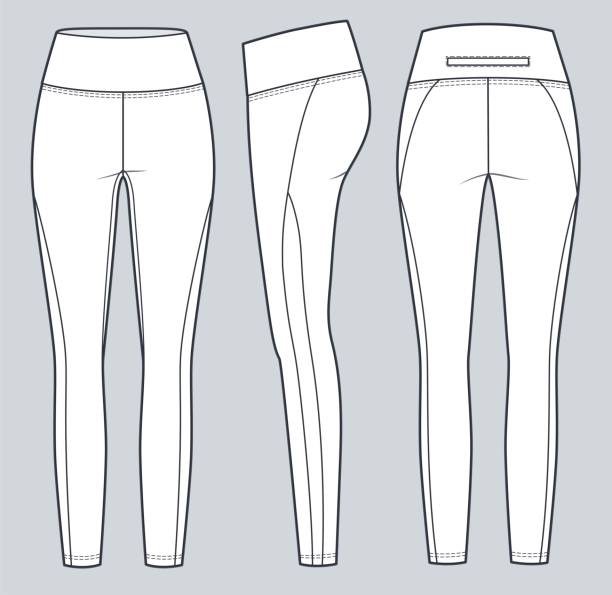
Research is vital. Analyze market leaders and developing brands. Identify what works. Note fabric advancements, seam placements, and unusual elements like pocket solutions or waistband designs. Draw inspiration from fashion trends, but always filter them through the prism of utility. A lovely design that fails during a downward dog is not a sustainable yoga pant. Create mood boards that capture the intended atmosphere, texture, and color palette, keeping the fundamental objective in focus.
2. Anatomy and Key Components of Yoga Pants
Understanding the anatomy is vital for functional design. Each component provides a specific role.
An essential anchor point is the waistband. Common styles include the wide, folded elastic waistband for comfort and a clean look, the high-rise sculpting waistband for core support and belly management, and the drawcord waistband for customizable security. The decision has an impact on the feel and silhouette.
The Gusset: A diamond-shaped piece of fabric sewn into the crotch seam. For performance, it cannot be negotiated. The gusset lessens stress on seams, avoids fabric bunching, and allows an incredible range of movement for poses like lunges and splits.
The Leg Construction: Design the leg for movement and style. Key considerations are the inseam length (full-length, 7/8, capri) and the leg opening (tapered, straight, flared). A tapered leg keeps in place, while a straight or slightly flared leg offers a contrasting appearance.
Seams and Panels: Strategic seaming can enhance fit and appearance. Flatlock seams sit flat against the skin to prevent chafing. Color-blocking panels can generate a slimming or shaping visual effect. To complement movement, seams should be positioned in accordance with the muscles and natural lines of the body.
3. Fabric Selection and Performance Properties
Fabric is the most crucial decision. It determines the complete character of the pant. The baseline criterion is a great four-way stretch and recovery. The cloth must stretch in all directions and snap back to its original shape to avoid bagging.

Consider these major fabric types:
Blends of nylon and spandex provide vivid color retention, softness, and durability. They are a high-performance, reliable choice for most yoga trousers.
Blends of polyester and spandex are excellent in wicking away moisture and drying quickly. They are frequently more cost-effective but can be less supple than nylon.
Specialty textiles: Innovations like brushed textiles for a warm feel, ribbed textures for aesthetic appeal, or ultra-high-compression power meshes for targeted support.
Key performance features to specify are opacity (must be squat-proof), moisture-wicking capabilities, breathability, and a comfortable hand-feel. Make sure fabric samples fulfill all requirements by testing them under stress and in various lighting conditions.
4. Pattern Making and Fit Prototyping
A flawless pattern turns the design into a three-dimensional form. This stage begins with generating a basic block pattern based on established size specifications. The pattern is then changed to integrate the design’s distinctive elements: the waistband height, the leg taper, and panel seams.
A fit cloth that resembles the finished product is used to sew the initial prototype, or sample. This prototype is fitted on a regular fit model. The designer examines everything: the range of motion, the compression level, the waistband stability, and the overall silhouette. Common modifications include changing the thigh width, hip-to-waist ratio, or rear curve for improved coverage. This is an iterative process. Multiple prototypes may be needed to attain the correct fit.
5. Incorporating Functional Details and Finishing
Details raise a decent design to a superb one. Well-considered additions improve the user experience and utility.
Pockets: Integrate them seamlessly. Side-seam pockets are inconspicuous. Thigh pockets are perfect for phones during walks. Hidden waistline pockets hold keys or cards. Make sure the positioning of the pockets doesn’t add bulk or cause pain when sitting.
Performance Finishes: Consider adding a silicone grip tape inside the waistband or leg cuffs to minimize slipping and rolling during practice. For yoga leggings intended for transitional wear to and from the studio, reflective features are beneficial.
Aesthetic Finishes: Choose between exposed stitching for an athletic appeal or concealed stitching for a clean, minimalist appearance. Laser-cut designs can replace seams for a unique effect. Brand labels should be comfortable and non-irritating, often printed or formed from a smooth, flat substance.
6. Sampling, Testing, and Final Production
A final prototype is created in the precise production fabric and colors prior to mass manufacturing. This sample undergoes comprehensive testing.
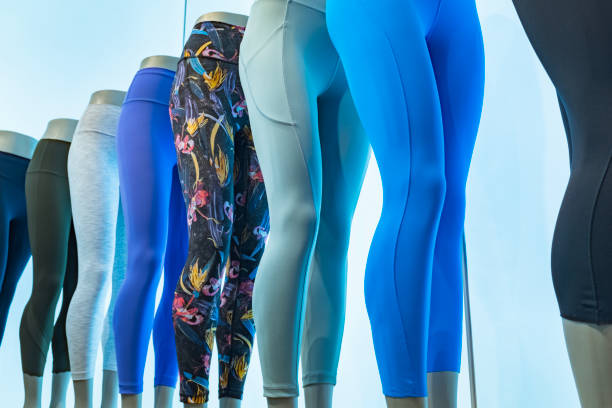
Wear Testing: Have persons of different sizes and body types complete a series of yoga exercises. Gather input on comfort, fit during various poses, fabric feel, and durability.
Technical Testing: To make sure the leggings satisfy quality requirements, put them through lab tests for colorfastness (to washing and light), pilling resistance, and tensile strength.
Final tweaks: Based on test feedback, make any last minor tweaks to the pattern or construction.
Once the final sample is approved, the tech pack—a thorough document covering all patterns, specs, bill of materials, and construction details—is finalized. This tech bundle offers the blueprint for your manufacturer to deliver a consistent, high-quality product at scale.
Conclusion
Designing yoga pants is a deep blend of art and engineering. It demands a clear vision, a precise approach to fabric and form, and an unyielding attention to how the garment performs in motion. By following this disciplined process—from defining the foundation, to mastering anatomy, selecting technological materials, improving the fit, adding intelligent details, and thoroughly testing—you transform a notion into a reliable and desirable product. The result is a pair of yoga trousers that not only look nice but truly support the practice, gaining trust and loyalty with every wear. Contact Uga to start your new design project.
